The Federal Reserve's preferred inflation gauge came in cooler than expected, and currency markets responded quickly. The dollar weakened against major peers, while short-term Treasury yields dropped, signaling that traders now see less need for the Fed to keep pushing interest rates higher.
The Commerce Department reported that core Personal Consumption Expenditures (PCE) inflation rose 0.3% last month, versus the 0.4% that economists had forecast, according to Reuters. Core PCE strips out volatile food and energy prices, making it a key measure of underlying price pressures. Even a small miss matters because currency markets trade on expectations of the future, not just the present.
Why a small inflation miss moves markets
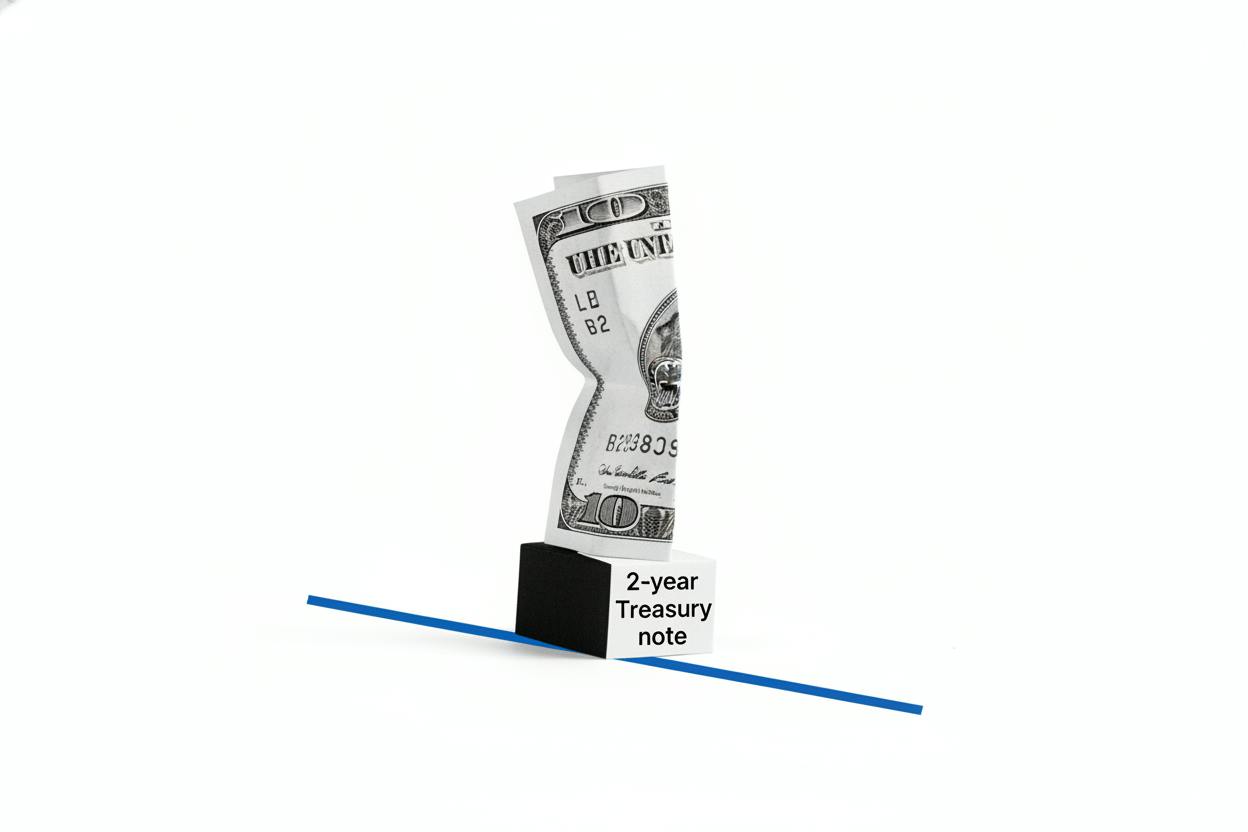
When inflation runs cooler than expected, it reduces the pressure on the Federal Reserve to keep interest rates elevated. That shift in expectations shows up almost immediately in short-term Treasury yields. The 2-year note, which is often used as a rough proxy for where investors think Fed policy is headed, fell 5.82 basis points to 4.831%. A basis point is one-hundredth of a percentage point.
Lower front-end yields make holding dollars less attractive relative to other currencies, because the interest-rate advantage—often called the “carry”—shrinks. As a result, the dollar index, which measures the greenback against a basket of major currencies, slipped to 101.17. The euro and the yen both strengthened against the dollar.
This dynamic is a classic example of how interest-rate expectations drive foreign-exchange movements. Currency pairs like USD/JPY (at 156.79) and EUR/USD (at $1.1361) tend to react first to shifts in expected central-bank policy, because they are more sensitive to rate differentials than to long-term growth narratives. In other words, this wasn’t just an inflation story—it was a quick repricing of the next few Fed meetings, showing up in the currency market.
What it means for investors
For everyday investors, the takeaway is that inflation data still holds significant sway over financial markets. When inflation cools, it can ease concerns about aggressive rate hikes, which often supports stock prices and other risk assets. Conversely, hot inflation can spook markets by raising the odds of tighter policy.
The drop in the 2-year yield to 4.831% is a key level to watch. If yields continue to fall, it could signal that the market believes the Fed is closer to pausing or even cutting rates. That would likely put further downward pressure on the dollar, which could benefit international investments and commodities priced in dollars, such as gold. Indeed, gold has already risen on cooler inflation data as rate-hike odds slipped.
However, it’s important to remember that one month’s data doesn’t set a trend. The Fed has repeatedly emphasized that it needs to see a sustained pattern of cooling inflation before it changes course. Investors should watch upcoming inflation reports and Fed communications for clues about the path of rates.
For those with exposure to foreign currencies or international stocks, a weaker dollar can be a tailwind, as it makes overseas assets more valuable in dollar terms. On the other hand, a stronger dollar can weigh on multinational companies’ earnings when they convert foreign profits back to dollars.
The dollar’s move also has implications for emerging markets, where many countries borrow in dollars. A softer dollar can ease debt-servicing burdens and attract capital flows to those economies. As traders brace for a busy US data day, the currency’s direction will remain a focal point.
Looking ahead
Investors will now turn their attention to upcoming economic data and Fed speakers for further signals. The bond market’s reaction suggests that traders are increasingly confident that the Fed’s tightening cycle may be nearing its peak. But the central bank has been cautious, and any upside surprise in inflation could quickly reverse the recent moves.
For now, the cooler PCE reading has provided a modest relief to markets, pulling the dollar down and easing rate-hike bets. Whether that relief lasts will depend on whether inflation continues to moderate in the months ahead.