Wall Street breathed a little easier on Friday after a key inflation reading came in cooler than forecast, easing some of the pressure on the Federal Reserve to raise interest rates again as soon as next month.
The personal consumption expenditures (PCE) price index—the inflation measure the Fed watches most closely—rose 3.4% in August compared with a year earlier, according to Reuters. That was below the 3.7% that economists had expected. On a month-over-month basis, prices climbed 0.3%, also shy of the 0.4% forecast.
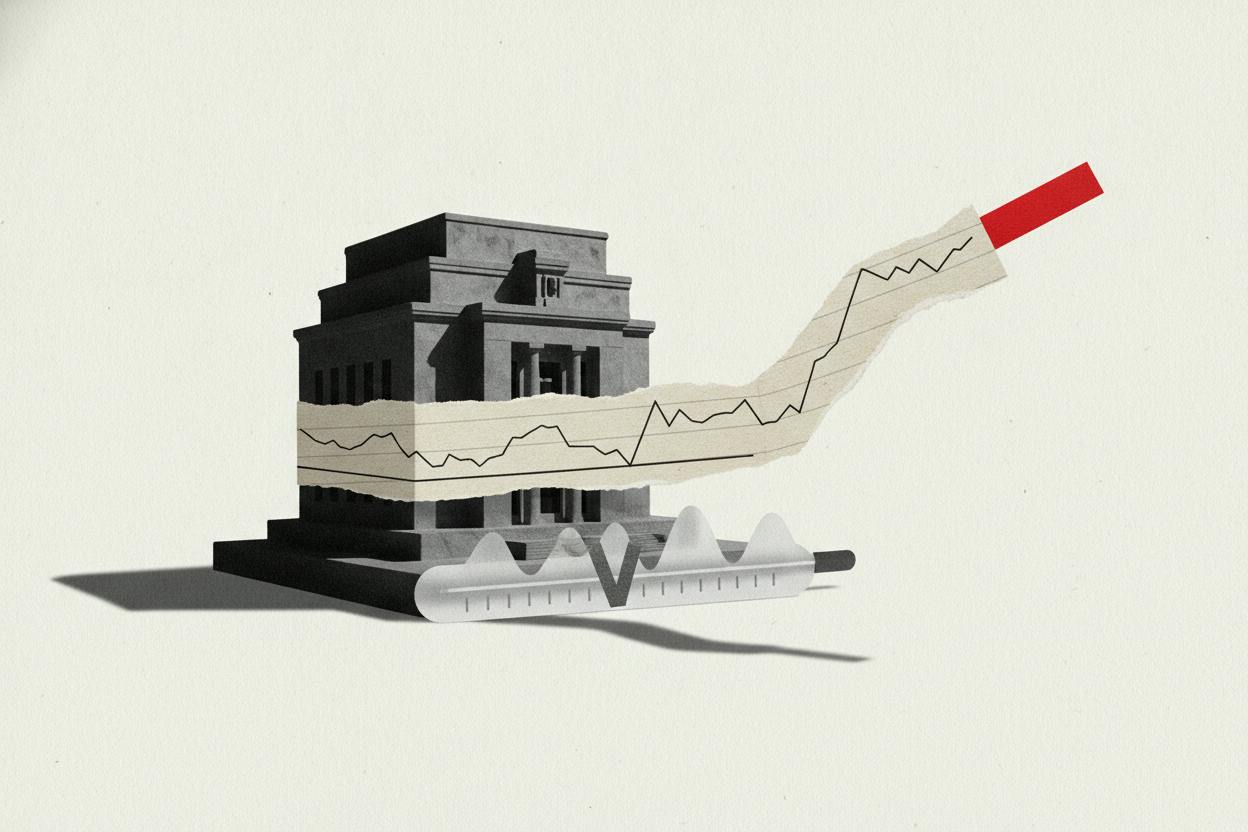
Investors took the softer numbers as a sign that the central bank may not need to tighten policy as aggressively as feared. Interest-rate traders responded by lowering the implied probability of a rate hike at the Fed's October meeting to about 35%, down from roughly 45% before the data, based on LSEG figures.
Why the PCE report matters
The PCE index is not the inflation gauge most people hear about on the news—that's the consumer price index (CPI). But for the Fed, PCE is the preferred measure because it captures a broader range of consumer spending and adjusts for changes in how people shop when prices shift. When the Fed talks about its 2% inflation target, it's referring to PCE.
So when PCE comes in cooler than expected, it's a meaningful signal. It suggests that the forces pushing up prices—supply chain snags, strong demand, higher energy costs—may be easing more quickly than anticipated. That, in turn, gives the Fed more room to hold rates steady and let the economy absorb the impact of the hikes it has already made.
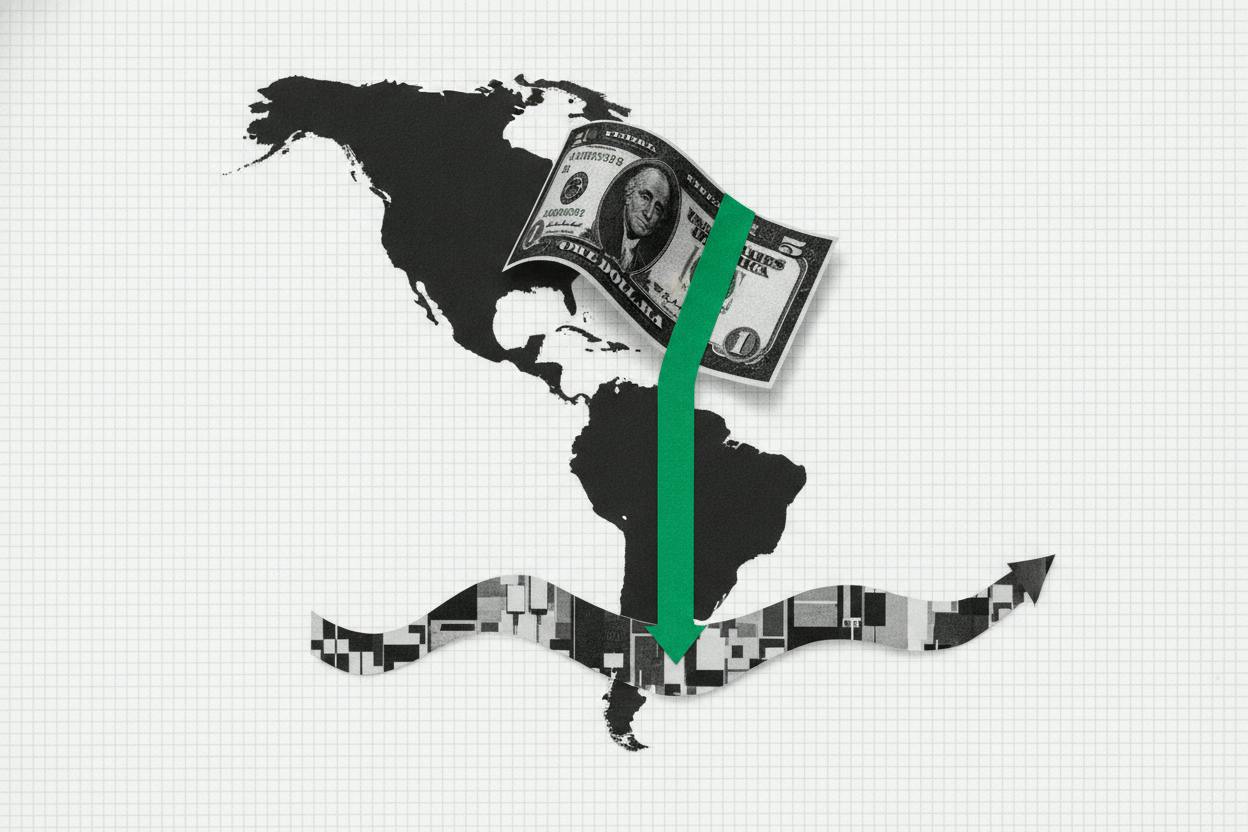
The reaction in markets was immediate. Stocks rose, and the dollar slipped as rate bets eased, reflecting a shift in sentiment. Gold also gained ground on the cooler inflation data, as investors priced in a lower chance of aggressive tightening.
What this means for your money
For everyday investors, the key takeaway is that the path of interest rates is the single biggest driver of market moves right now. When the Fed hikes rates, borrowing costs rise for everything from mortgages to corporate loans, which can slow economic growth and weigh on stock prices. When the Fed holds off, markets tend to breathe easier.
The cooler PCE print doesn't guarantee the Fed will skip an October hike—it just makes one less likely. The central bank has repeatedly said it will depend on incoming data, and there's still a jobs report and another inflation reading due before the next meeting. If those come in hot, the odds could shift again.
For bond investors, the news is a double-edged sword. Lower inflation expectations can push bond yields down, which boosts bond prices. But it also means the income you lock in today may be lower than if rates had stayed elevated. For stock investors, the relief rally could be short-lived if the Fed remains hawkish in its commentary.
Global ripple effects
The US inflation report doesn't just matter for American portfolios. It influences central banks and markets worldwide. In Asia, for instance, Australian stocks jumped on softer local inflation that cooled rate hike bets, and Singapore shares slipped ahead of the US data, underscoring how closely global investors watch the Fed's moves.
Even the Bank of Japan's signals about faster rate hikes are being interpreted in light of the US inflation picture, as are currency movements in emerging markets like South Africa, where the rand firmed ahead of the PCE print.
What to watch next
Investors will now turn their attention to the Fed's next policy meeting, scheduled for late October. In the meantime, any major economic data—especially jobs numbers and consumer spending figures—will be scrutinized for clues about the central bank's next move.
The Fed has been walking a tightrope: it wants to bring inflation down without tipping the economy into recession. A cooler PCE reading gives it a bit more room to maneuver, but the fight is far from over. As always, the key for investors is to stay diversified and avoid making big bets based on a single data point.