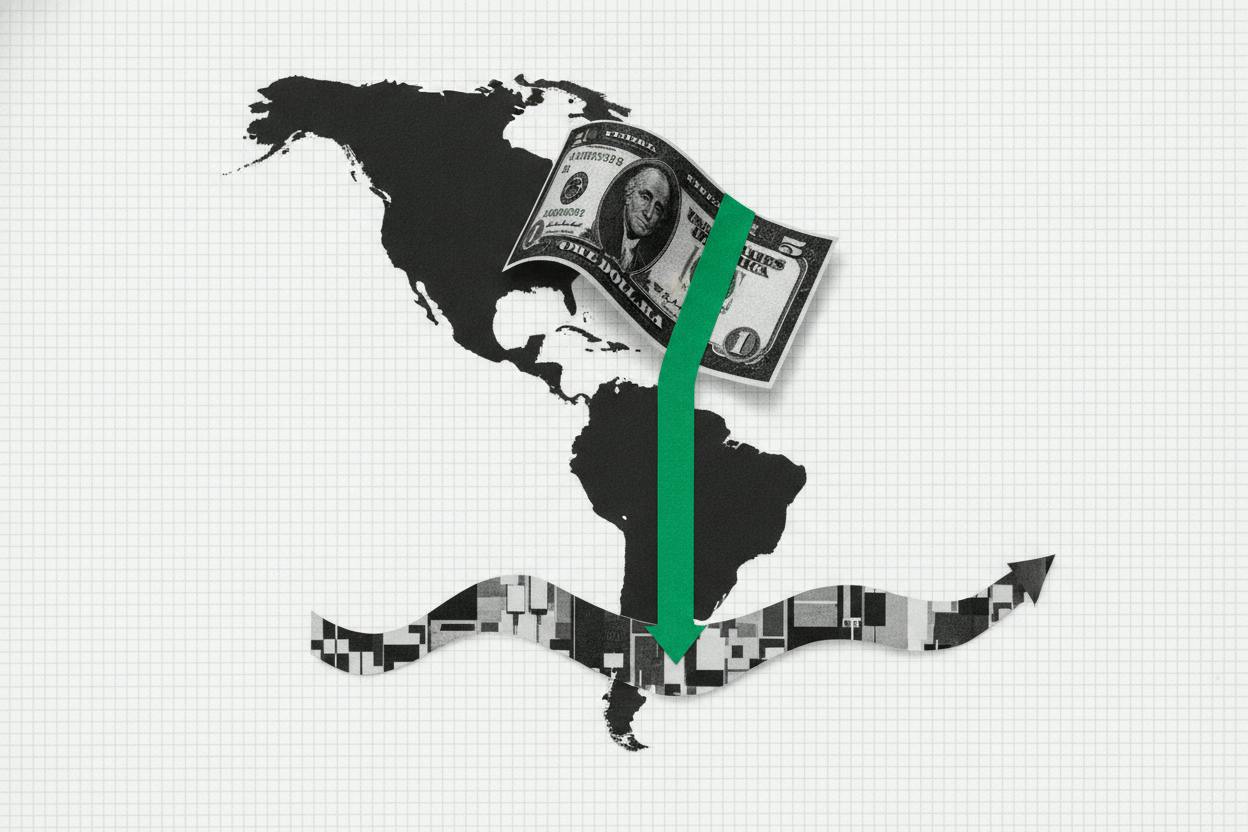
Latin American financial markets got a welcome boost on Friday after a key US inflation reading came in cooler than expected, easing fears that the Federal Reserve would raise interest rates again next month. Regional currencies strengthened and stocks climbed, snapping a short losing streak and underscoring how sensitive emerging markets remain to shifts in US monetary policy.
What happened
The catalyst was August's Personal Consumption Expenditures (PCE) price index, the Fed's preferred inflation gauge. It rose 0.3% from the previous month and 3.4% from a year earlier, below the 3.7% annual increase economists had forecast in a Reuters poll. While the data still showed inflation running above the Fed's 2% target, traders interpreted it as evidence that price pressures are cooling enough to keep the central bank on hold.
According to CME Group's FedWatch Tool, the implied probability of a rate hike at the Fed's October meeting fell to about 35%, down from roughly 45% before the release. That shift in expectations weighed on the US dollar, which typically weakens when investors see less need for aggressive Fed action.
With the dollar easing, Latin American assets perked up. MSCI's Latin American equity index rose about 1%, while its Latin American currency index climbed 0.6%. The currency gauge, which tracks a basket of regional exchange rates, had been on a short losing streak but is now on track for a seventh consecutive quarter of gains, according to LSEG data.
Why it matters for investors
For everyday investors, the connection between US inflation data and faraway markets might seem indirect. But the link is straightforward: when the Fed is expected to keep rates steady, borrowing costs in dollars become less likely to rise, which makes it cheaper for investors around the world to fund positions in higher-yielding assets.
That dynamic fuels what traders call "carry trades," where investors borrow in a low-yielding currency like the dollar or yen and invest in currencies offering higher interest rates, such as the Brazilian real or Mexican peso. Many Latin American central banks have kept rates relatively high to combat inflation, making their currencies attractive for this strategy. A smaller chance of a Fed hike means those carry trades look safer, so money flows into the region.
The effect ripples beyond currencies. Local bonds, equities, and companies with dollar-denominated debt all benefit when the dollar softens and funding conditions ease. That is why a single US inflation report can move markets thousands of miles away.
Country factors still matter
While the common driver on Friday was the Fed outlook, local conditions still played a role. Investors continued to watch political developments, fiscal policies, and commodity prices in individual countries. But the broad market move was a reminder that, for emerging markets, US monetary policy often overshadows domestic headlines.
The sensitivity cuts both ways. If upcoming US data—such as jobs reports or inflation readings—come in hot, expectations for another hike could quickly resurface, putting pressure on Latin American assets again. The MSCI regional currency index is already on its longest quarterly winning streak since at least April 2009, so any reversal could be sharp.
For now, the market's mood is cautiously optimistic. The cooler PCE reading aligns with a broader trend of easing inflation in the US, which has also helped lift Wall Street and other global markets. As softer August inflation eases pressure on the Fed, investors are betting that the central bank can afford to wait and see how the economy evolves.
What to watch next
The next major test for Latin American markets will be the Fed's policy meeting in October, followed by a steady stream of US economic data. Any sign that inflation is reaccelerating or that the labor market remains too tight could revive rate-hike bets. Conversely, further evidence of cooling price pressures could extend the region's winning streak.
For investors with exposure to Latin American funds or currencies, the key takeaway is that US data will likely remain the dominant driver in the near term. Keeping an eye on how the dollar reacts to inflation news can offer clues about the direction of regional assets.
As always, diversification and a long-term perspective are important. While short-term moves can be dramatic, the fundamental picture for Latin America depends on local economic reforms, commodity prices, and global demand—factors that will continue to evolve regardless of what the Fed does next.