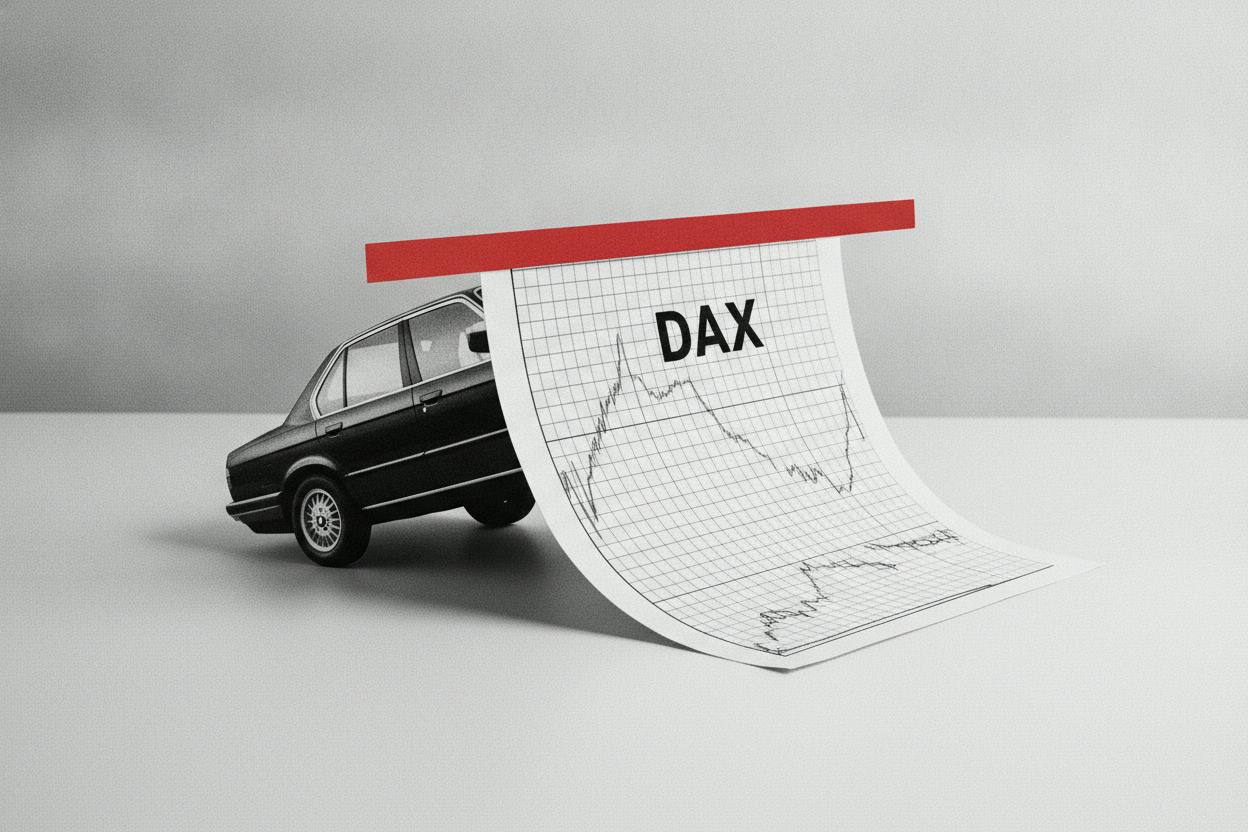
German stocks slipped on Monday as fresh data showed inflation in Europe's largest economy climbing back above 3%, while automaker BMW added its own headline with a new cost-cutting push. The DAX index fell 0.74%, reflecting investor caution over the latest price pressures.
Inflation Ticks Higher, Core Holds Steady
Germany's Federal Statistical Office reported that consumer prices rose 3.3% in September, up from 2.9% in August and above economists' forecasts. However, a closer look reveals a more nuanced picture: 'core' inflation, which strips out volatile items like energy and food, held steady at 2.4%. This suggests the rebound is being driven more by fluctuating costs than by broad-based overheating across the economy.
That distinction matters because it keeps the inflation outlook unusually tied to geopolitics and energy markets. ING Bank, a Dutch lender, said its base case has German headline inflation staying above 3% until early 2027, helped along by higher oil prices and a drawn-out conflict in the Middle East. The ifo Institute, a German economic think tank, added to the caution: its latest survey showed more companies planning price hikes as energy costs rise.
BMW's 'Self-Help' Strategy
With that backdrop, the DAX's moves can become less about the day's inflation print and more about which companies can protect profits if costs stay stubborn. BMW's plan to flatten its organization by cutting divisions and management roles by 20% by mid-2027, while investing 2 billion euros in German production, is a classic 'self-help' strategy: lower fixed costs today to defend margins tomorrow.
The automaker's announcement comes as the industry faces a challenging environment of high energy prices, supply chain disruptions, and shifting consumer demand. By trimming management layers, BMW aims to streamline decision-making and reduce overhead, freeing up resources for its production investments.
What It Means for Investors
For markets, BMW's 20% management cut stands out if inflation stays above 3% into early 2027. If investors start to accept a longer, energy-driven inflation backdrop, they're less likely to assume that easing input costs will rescue profits across the board. That tends to raise the bar for companies: markets reward clear plans to protect margins, like simplifying operations and trimming overhead, and punish businesses that look stuck with rising costs.
The result can be bigger stock-by-stock moves inside the DAX. On days when the index is dragged lower by an inflation surprise, firms with credible restructurings or cost-base resets can still hold up better than peers, because the story becomes 'margin durability' rather than 'macro noise.'
For everyday investors, this means paying attention to how companies are responding to persistent inflation. Firms that are proactively cutting costs and improving efficiency may be better positioned to weather a prolonged period of elevated prices. On the other hand, companies that are slow to adapt could see their profit margins squeezed.
As the situation develops, investors will likely keep a close eye on energy prices and geopolitical events, which remain key drivers of German inflation. The European Central Bank's policy decisions will also be in focus, as it balances the need to contain inflation against supporting economic growth.
For more on how inflation is affecting markets globally, see our coverage of German inflation and unemployment and US core inflation trends.