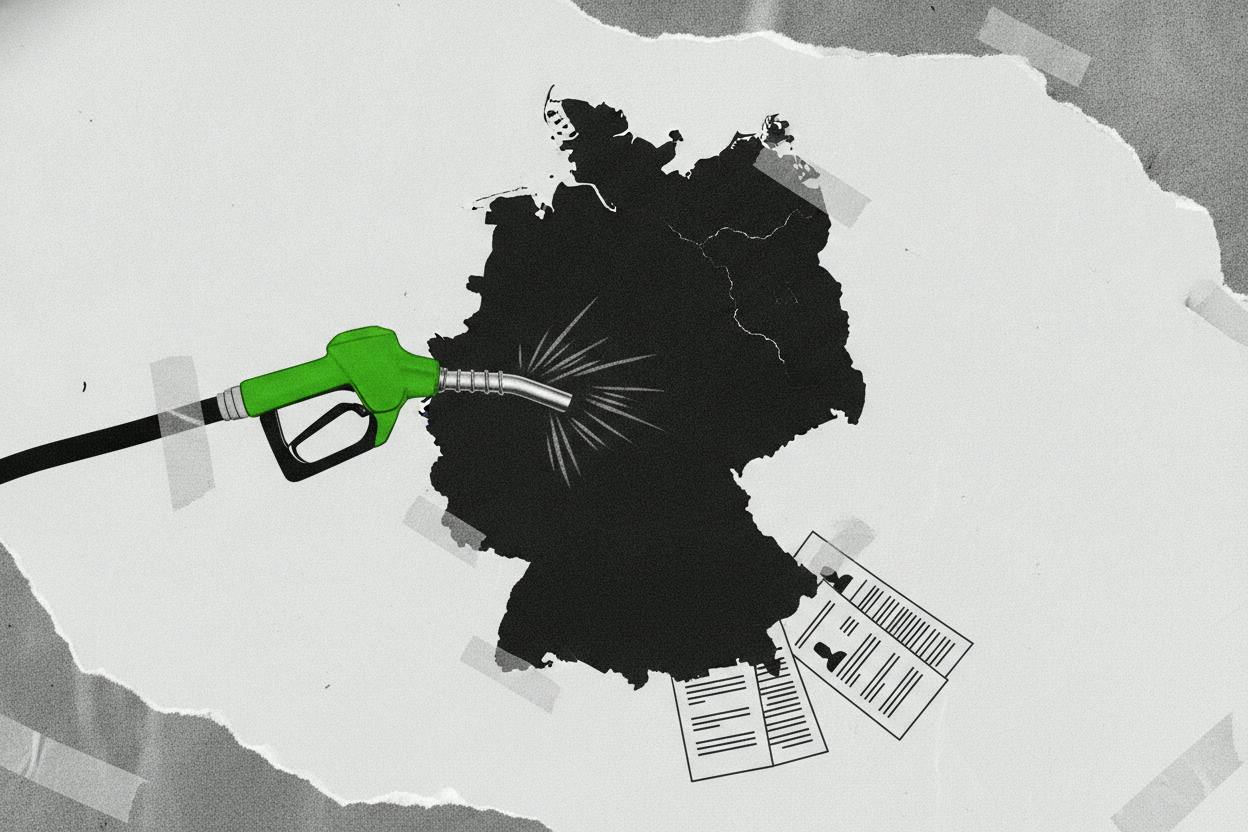
Germany's economic picture turned more complicated this month as inflation accelerated and the labor market showed signs of cooling. The federal statistics office reported that EU-harmonized inflation rose to 3.3% year-on-year in September, up from 2.9% in August, with energy prices surging 14.9% compared to a year earlier. At the same time, unemployment climbed back above the 3 million mark, missing the typical autumn pickup that usually brings more people back to work.
Energy costs drive the headline number
The jump in headline inflation was almost entirely due to energy. Prices at the pump and for heating have been climbing, and that fed directly into the consumer price index. But when you strip out volatile items like energy and food, the so-called 'core' inflation rate held steady at 2.4% for the third month in a row. That's a key distinction for economists, because core inflation gives a cleaner read on underlying price pressures in the economy.
The gap between headline and core inflation is exactly why many analysts are describing this as an energy-driven bump rather than a broad-based reacceleration of price growth. In other words, the rise in the overall rate may not signal that inflation is becoming entrenched again, but it does complicate the picture for the European Central Bank, which has been trying to bring inflation down to its 2% target.
Labor market loses momentum
Meanwhile, the labor market is not providing the usual support. Germany typically sees a seasonal pickup in employment during the autumn as summer breaks end and companies ramp up hiring. This year, that pickup has been slower than usual, and unemployment has risen above 3 million. That's a psychological threshold that often grabs headlines, but it also reflects a broader softening in the economy.
Germany has been struggling with weak industrial output, high energy costs for manufacturers, and sluggish global demand. The labor market is often a lagging indicator, so the recent rise in unemployment could be a sign that the economic slowdown is starting to bite. For workers, that means fewer job opportunities and potentially slower wage growth, which in turn could weigh on consumer spending.
What it means for investors
For everyday investors, the combination of higher inflation and a weaker labor market is a mixed signal. On one hand, the rise in headline inflation could keep pressure on the ECB to maintain higher interest rates for longer, which tends to be negative for stocks and bonds. On the other hand, the soft labor market might argue for the opposite: if the economy is slowing, the central bank may be more inclined to cut rates sooner rather than later.
Investors should watch how the ECB reacts in the coming months. If it focuses on the headline number, it might keep rates higher, which could hurt growth-sensitive sectors. If it looks through the energy spike and focuses on the weak labor market, it might signal a shift toward easing. That would be a different story for markets.
For those with exposure to European assets, the divergence between inflation and employment is worth monitoring. Energy prices remain a wildcard, as geopolitical tensions and supply disruptions can push them higher. A sustained rise in energy costs would not only keep headline inflation elevated but also squeeze consumers and businesses, potentially deepening the economic slowdown.
Broader context
Germany is the largest economy in the eurozone, so its data often sets the tone for the region. The inflation reading comes at a time when other major economies are also grappling with price pressures. In the United States, for example, recent data has shown softer inflation, which has eased pressure on the Federal Reserve. But Europe's situation is different, with energy costs playing a bigger role.
The labor market weakness in Germany also echoes trends elsewhere. While the US has seen private hiring pick up, Europe's recovery has been more sluggish. Investors should consider these regional differences when building a diversified portfolio.
Looking ahead
The next few months will be crucial. If energy prices continue to climb, headline inflation could stay elevated, even if core inflation remains contained. That would put the ECB in a tough spot, as it tries to balance price stability with supporting growth. The labor market will also be in focus, as a continued rise in unemployment could signal a deeper downturn.
For now, the message from Germany is one of caution. The economy is facing headwinds from both prices and employment, and the path forward is uncertain. Investors would do well to keep an eye on both indicators, as they will likely shape market sentiment in the months ahead.