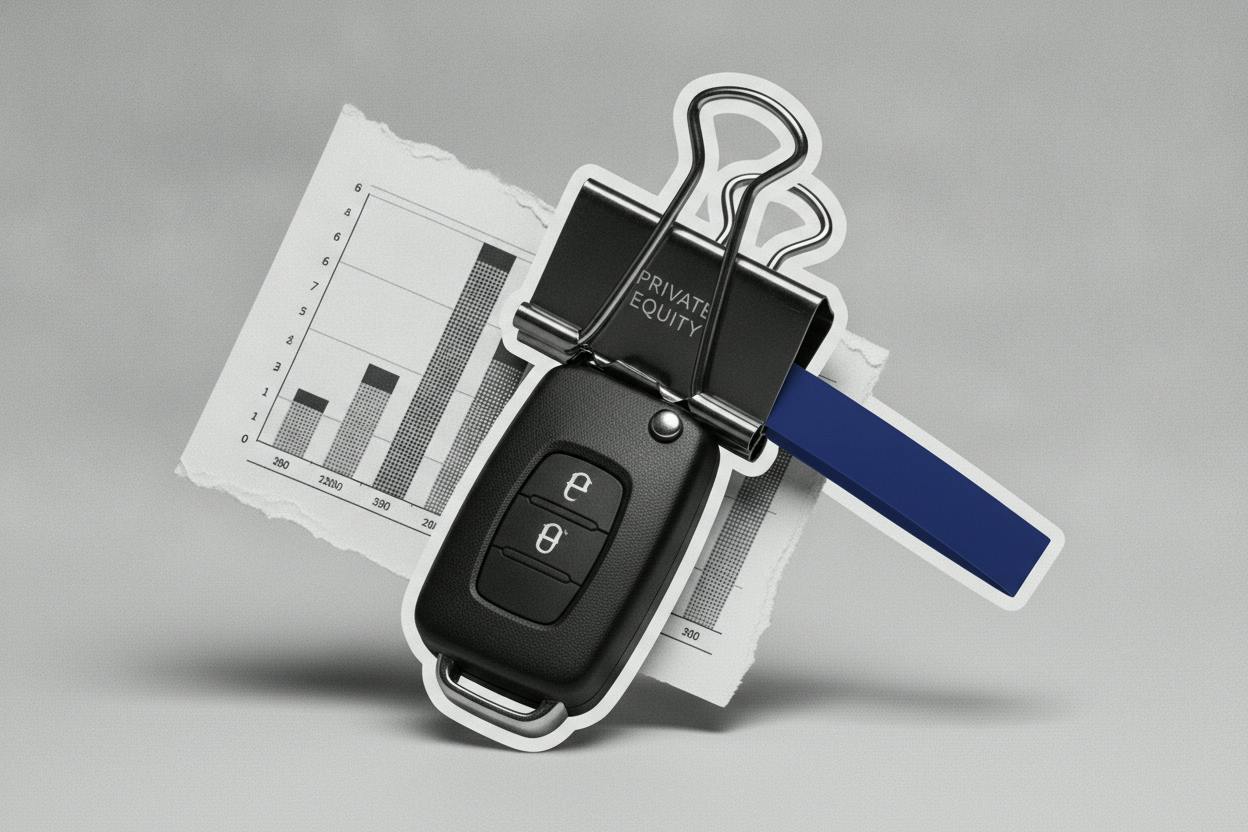
Pinewood Technologies, a UK-based software provider for car dealerships, has reported a solid rise in first-half profitability, just as it prepares to change hands in a £545 million private equity deal. The company said underlying core profit—a measure that strips out one-off items—climbed 11.4% to £8.8 million for the six months ending June 30. The news lands days before the takeover by US private equity firm Ridgeview Partners is set to complete on October 9.
What Pinewood does
Pinewood sells software that helps car dealerships manage day-to-day operations, including sales, financing, and back-office administration. Think of it as the digital backbone for a dealership's showroom and service department. The company has been expanding through acquisitions, and its recent purchase of Seez AI—a tool that uses artificial intelligence to help dealers price vehicles and engage customers—contributed to the profit improvement.
The first-half numbers are the last set of results Pinewood will report as an independent listed company. Shareholders have already approved the sale to Ridgeview, and the deal is expected to close on October 9. For investors, the timing means the profit lift is unlikely to move the stock much, since the buyout price is already fixed. But it does offer a final glimpse into the business that Ridgeview is acquiring.
Management's confidence
Beyond the headline profit figure, management used the results to reaffirm its full-year target of £21 million in underlying core profit, as well as a longer-term goal of £62 million for fiscal 2028. The company argued that existing contracts provide good visibility into future revenue, which is a common feature of software businesses that rely on recurring subscriptions.
Reaffirming guidance is often seen as a positive signal, especially when a company is about to be taken private. It suggests that the business is on track and that the private equity buyer is getting a company with a clear growth path. For Pinewood, the fact that it can point to a pipeline of contracted work helps underpin those targets.
What it means for investors
For everyday investors, the key takeaway is that Pinewood's results are now largely academic in terms of stock price movement. Once a buyout is agreed, the share price typically trades close to the offer price, and any upside from better-than-expected earnings is capped. That's why the stock is unlikely to react much to this profit beat.
Still, the deal itself is part of a broader trend: private equity firms have been snapping up UK software companies, attracted by their recurring revenue and steady cash flows. This is similar to other recent takeovers in the sector, such as the Sangoma buyout that lifted Canadian tech stocks and the potential £1.37bn takeover of Vesuvius. These deals often come with a premium to the market price, which is why investors sometimes see buyout announcements as a positive catalyst.
For those who hold Pinewood shares, the main event is the cash payout on October 9. After that, the stock will be delisted, and the company will operate under Ridgeview's ownership. For everyone else, the story is a reminder that even when a company is being acquired, its underlying performance can still offer clues about the health of the broader automotive software market.
Looking ahead
With the deal set to close, attention will shift to how Ridgeview plans to grow Pinewood. Private equity owners often look to cut costs, expand into new markets, or make bolt-on acquisitions. Pinewood's focus on AI through Seez suggests that technology will play a central role in its future strategy.
For the wider market, the deal is another sign that UK tech companies remain attractive to overseas buyers, despite economic uncertainty. Whether that trend continues will depend on interest rates, currency movements, and the availability of financing. But for now, Pinewood's shareholders can take comfort in a profitable final act before the curtain falls on its public listing.