Gulf stock markets moved in opposite directions on Tuesday after President Donald Trump rejected reports that he was open to easing sanctions on Iran, even as Qatar continued to push for diplomacy to cool the standoff between Washington and Tehran.
Saudi Arabia's main index edged higher, while Qatar's benchmark fell, reflecting the divergent ways investors are interpreting the latest signals from the White House and the region's diplomatic efforts.
Conflicting signals on Iran
The market moves came after Axios and CNN reported that Trump was willing to consider sanctions relief and the release of Iranian funds if Tehran made "concrete progress" on its nuclear program. But Trump took to Truth Social to deny the reports, saying he offered Iran "NOTHING."
That contradiction left traders trying to price two very different outcomes at once: a diplomatic thaw that could ease tensions and potentially alter energy flows, or a continued hardline stance that keeps a geopolitical risk premium firmly in place.
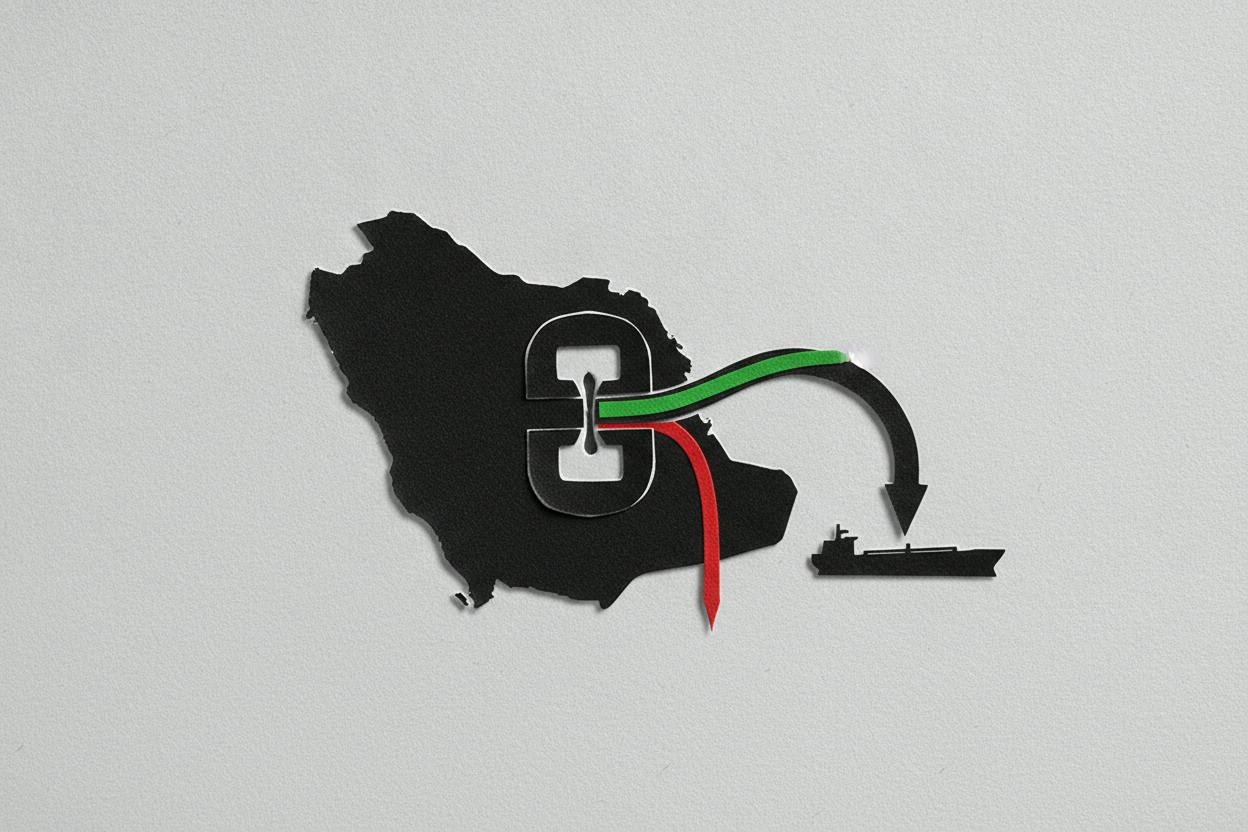
For Gulf markets, which are heavily tied to oil prices and regional stability, the direction of US-Iran relations is a key driver. A de-escalation could reduce the risk of supply disruptions and lower the risk premium that has supported crude prices. A tougher standoff, on the other hand, could keep oil elevated and heighten uncertainty across the region.
Qatar's diplomatic push
Qatar has positioned itself as a mediator, hosting talks and maintaining channels with both Washington and Tehran. Its stock market fell, suggesting investors were skeptical that the diplomatic push would yield quick results, especially after Trump's denial.
Meanwhile, Saudi Arabia's market rose, possibly reflecting resilience in the face of geopolitical noise, as investors focused on domestic fundamentals and the potential for higher oil prices if tensions persist.
What it means for investors
For everyday investors, the key takeaway is that geopolitical headlines can move markets in unpredictable ways. The conflicting reports and denials create volatility, and that uncertainty often translates into wider price swings in regional stocks and oil-related assets.
Investors should also note that Gulf markets are not monolithic. Different countries have different exposures to energy, finance, and diplomacy, so they can react differently to the same geopolitical event. Saudi Arabia, as the largest oil exporter, may benefit from higher crude prices, while Qatar, with its focus on gas and finance, might be more sensitive to diplomatic tensions.
It's also worth remembering that such headlines can change quickly. A single tweet or statement can reverse market sentiment, as seen here. For long-term investors, it's usually wise to focus on fundamentals rather than reacting to every geopolitical twist.
For broader context, oil prices have been swinging on Iran sanctions headlines, and those moves often ripple through global markets. Similarly, European stocks have been bouncing as investors digest similar geopolitical and economic signals.
Looking ahead
Investors will be watching for any further statements from Washington or Tehran, as well as any concrete steps on the nuclear issue. The situation remains fluid, and markets are likely to stay sensitive to headlines.
For now, the split in Gulf markets underscores the uncertainty. Until there is clarity on whether diplomacy will progress or stall, investors should expect continued volatility in the region's stocks and in oil prices.