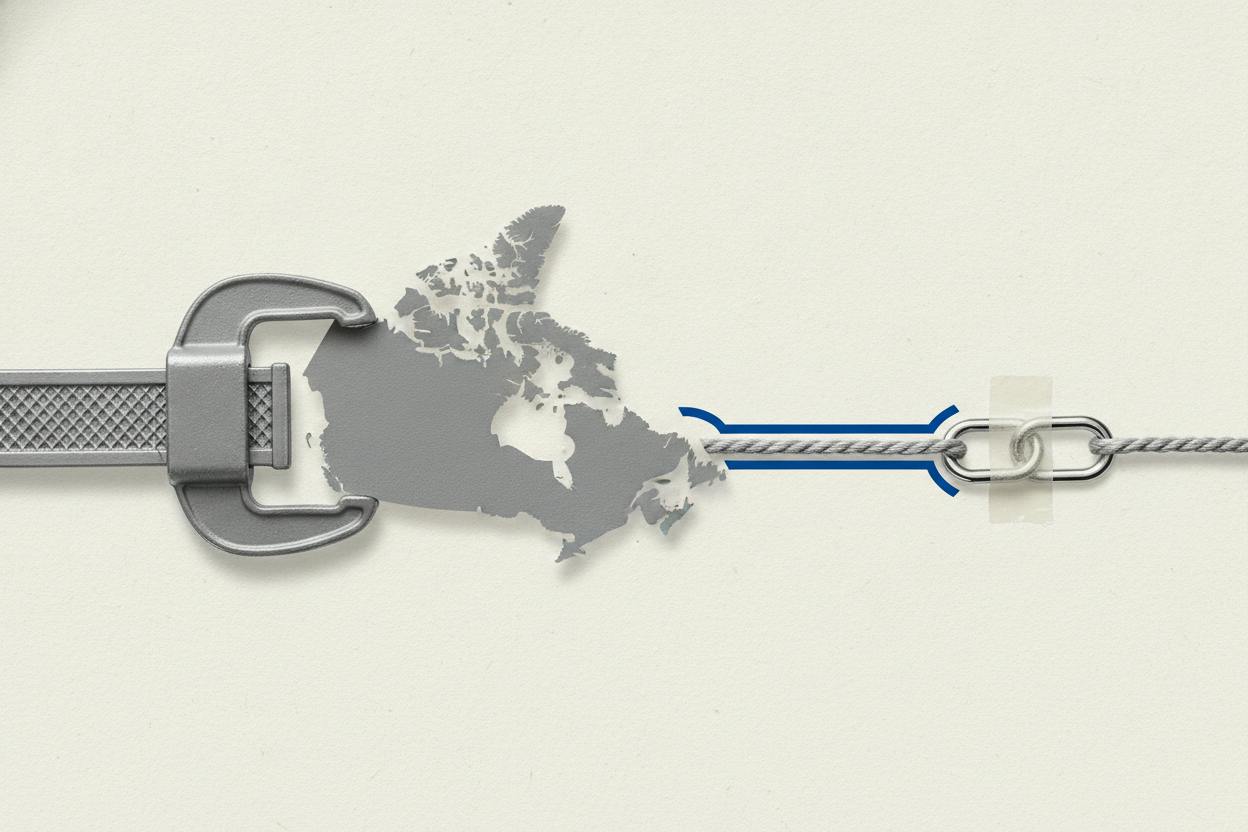
Canada's Prime Minister Mark Carney used this week's APEC summit in Shenzhen to hold bilateral meetings with the leaders of Australia, New Zealand, and Singapore, signaling a push to broaden Canada's trade and investment relationships across the Pacific. The move comes as Ottawa seeks to reduce its heavy economic reliance on the United States amid escalating tariff tensions.
Carney met with Singapore's Prime Minister Lawrence Wong, Australia's Prime Minister Anthony Albanese, and New Zealand's Prime Minister Christopher Luxon. According to a statement from Carney's office, Canada's combined merchandise trade with these three countries exceeded CA$15 billion in 2025, providing a solid foundation for deeper engagement.
Why the Pacific pivot matters
Canada's trade with the US has long dominated its export picture, making it vulnerable to policy shifts from Washington. President Donald Trump's tariffs have raised frictions with Canada's largest trading partner, prompting Ottawa to explore alternative markets. The Comprehensive and Progressive Agreement for Trans-Pacific Partnership (CPTPP) offers a ready-made framework for expanding trade and investment. This trade deal, which includes 11 countries across the Asia-Pacific, covers a market of 580 million consumers and represents 15.6% of global GDP.
By leveraging the CPTPP, Canada can offer its exporters and investors a more predictable set of rules for doing business in the region, reducing the uncertainty that comes with relying on ad-hoc trade arrangements. The agreement lowers tariffs and sets common standards on issues like intellectual property and labor, making it easier for Canadian companies to compete in fast-growing Asian economies.
Carney also met with President Trump on the sidelines of APEC, and both sides agreed to continue talks toward a trade agreement. This suggests Canada is not abandoning its most important economic relationship, but rather seeking to diversify its options. As one observer put it, Canada wants more than one plan for market access.
What it means for investors
For investors, Canada's push to expand Pacific trade is a story about reducing concentration risk. When a country's exports are heavily dependent on a single buyer, any policy shift from that buyer can quickly ripple through growth forecasts and corporate earnings. If Canada can successfully route more commerce through CPTPP partners over time, a tighter US tariff stance is less likely to translate one-for-one into weaker demand for Canadian goods and services.
This diversification could also reduce the extra uncertainty that gets priced into Canada-linked cash flows and the Canadian dollar. When US trade news turns volatile, a more diversified trade base could make both less jumpy. For investors with exposure to Canadian equities or the loonie, this is a positive long-term development, though it will take time to materialize.
The CA$15 billion in existing trade with Australia, New Zealand, and Singapore is a modest base compared to Canada's trade with the US, but it represents a starting point. As Carney noted, the CPTPP provides a ready-made rulebook for expanding trade and investment, which could accelerate the process.
In the broader context, Canada's move is part of a global trend of countries seeking to diversify their trade relationships in response to rising protectionism. The TSX futures have been steady recently, but trade tensions remain a key risk for Canadian markets. Similarly, global markets are grappling with geopolitical and economic uncertainties.
For now, investors should watch for concrete steps from Canada to expand trade under the CPTPP, such as new bilateral agreements or increased investment flows. The meetings at APEC are a signal of intent, but the real test will be in the follow-through.
In the meantime, the Canadian dollar and Canada-exposed stocks may remain sensitive to US tariff headlines. But the message from Shenzhen is clear: Canada is actively building alternatives, and that could pay off for investors in the long run.



