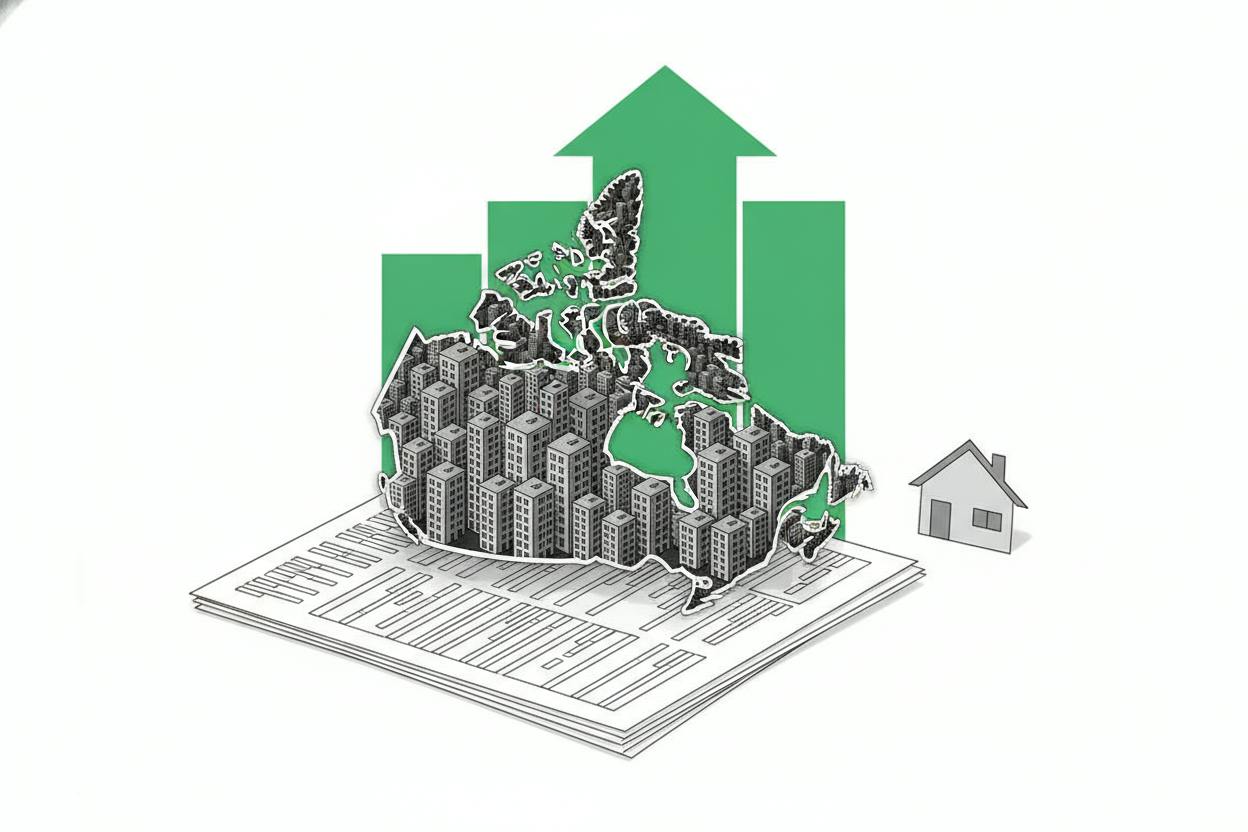
Canadian households have been catching a break on their debt payments, but that reprieve may be running out. RBC Economics said the country's household debt service ratio — the share of disposable income that goes toward paying down debt — fell to 14.5% in the second quarter of 2026, marking a four-year low. The improvement came from a combination of lower interest rates and steady income growth, which together eased the pressure on household budgets.
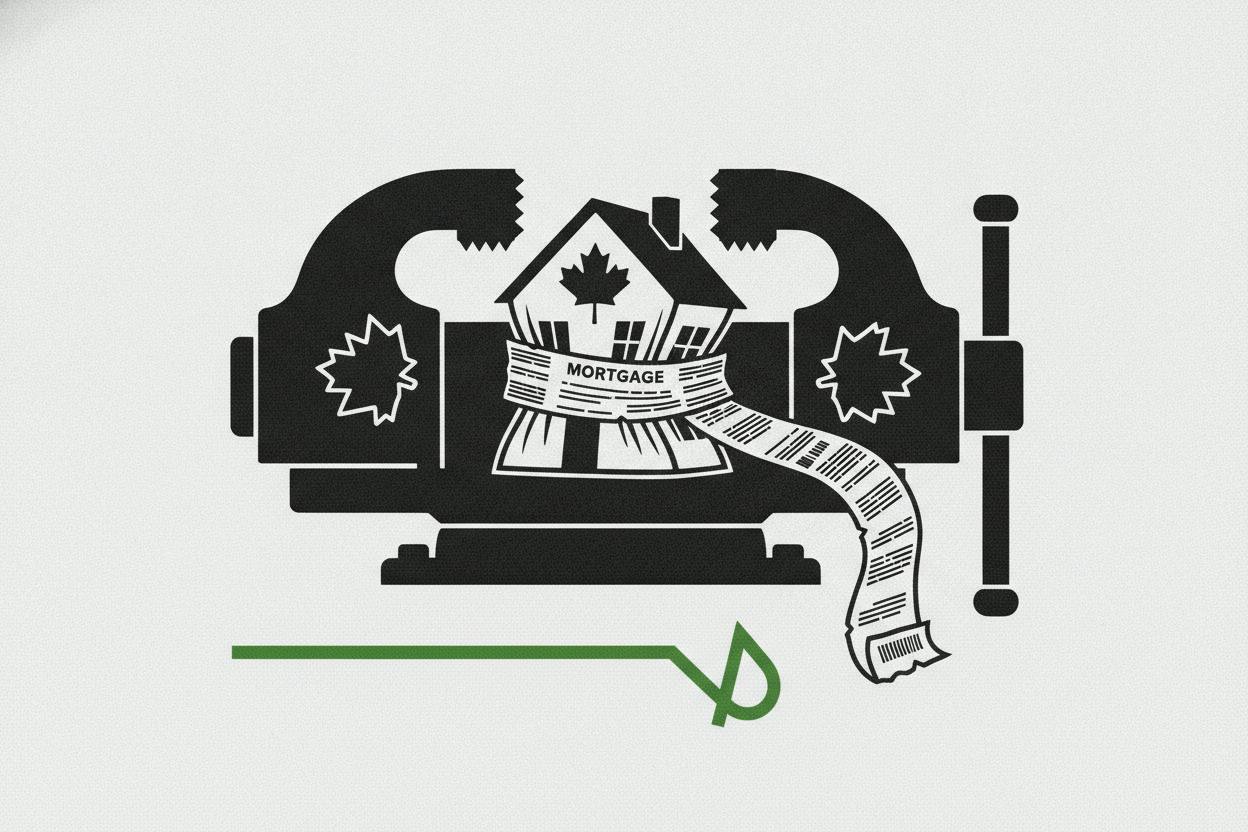
But the research team at Royal Bank of Canada cautions that the trend is unlikely to continue. Rates are now "nearing a bottom," according to RBC, which means the tailwind that helped bring the ratio down is fading. The next challenge is a wave of mortgage renewals: many Canadian borrowers locked in their mortgages when rates were lower, and those deals will reset at today's higher levels as their terms expire.
Why mortgage renewals matter so much
Unlike most household expenses, which creep up gradually, a mortgage can reprice in a single step. When a fixed-rate term ends, the borrower's payment is recalculated based on the prevailing interest rate at that moment. If rates are higher than when the mortgage was originally signed, the monthly payment can jump — sometimes by hundreds of dollars — even if rates have only drifted modestly higher in the interim.
That dynamic is what RBC expects to push debt payments up faster than disposable income into 2027. As more mortgages roll over, a larger share of household take-home pay will be committed to interest and principal. Add in any new borrowing, and the debt service ratio could climb back above its recent low, reversing some of the affordability gains Canadians have enjoyed over the past year.
The broader economic backdrop matters here too. Canada's labour market has shown signs of cooling, with slower hiring and a rising unemployment rate in recent months. If incomes grow more slowly — or stall — while debt payments rise, households will have less room for discretionary spending. That could weigh on consumer-facing businesses, from retailers to restaurants, and make the housing market more sensitive to even small changes in borrowing costs.
What it means for investors
For everyday investors, this story is less about any single stock and more about the direction of the Canadian economy — and what it means for interest rates. Markets are paying close attention to whether the Bank of Canada will need to raise rates over the next year. If the central bank holds steady or cuts, mortgage renewals will be less painful. If it hikes, the reset shock could be sharper.
That uncertainty shows up in a few places. Canadian bank stocks, which are heavily exposed to the mortgage market, tend to trade on expectations about credit quality and loan growth. A rise in debt service ratios can signal more borrowers struggling to keep up, which could eventually lead to higher loan-loss provisions. On the other side, consumer discretionary companies — those selling things people buy when they feel flush — may face headwinds if household budgets tighten.
Bond investors are also watching. If the Bank of Canada signals a more hawkish stance, short-term yields could rise, pressuring rate-sensitive sectors like real estate and utilities. Meanwhile, the Canadian dollar often reacts to rate differentials with the U.S., so any shift in expectations can move the currency as well.
It's worth remembering that a 14.5% debt service ratio is not a crisis level — it simply means the average household is devoting a smaller slice of income to debt than it was a few years ago. The concern is the trajectory. Because mortgage renewals happen on a fixed schedule, the squeeze can arrive all at once for a large group of borrowers, rather than gradually. That makes the next 18 months a key test for Canadian household finances.
Investors will want to watch a few signposts: the Bank of Canada's rate decisions and commentary, the pace of mortgage renewals reported by the big banks, and any shifts in consumer spending data. For now, RBC's message is clear: the easy part of the debt-relief story is likely behind us, and the harder chapter begins as 2027 approaches.