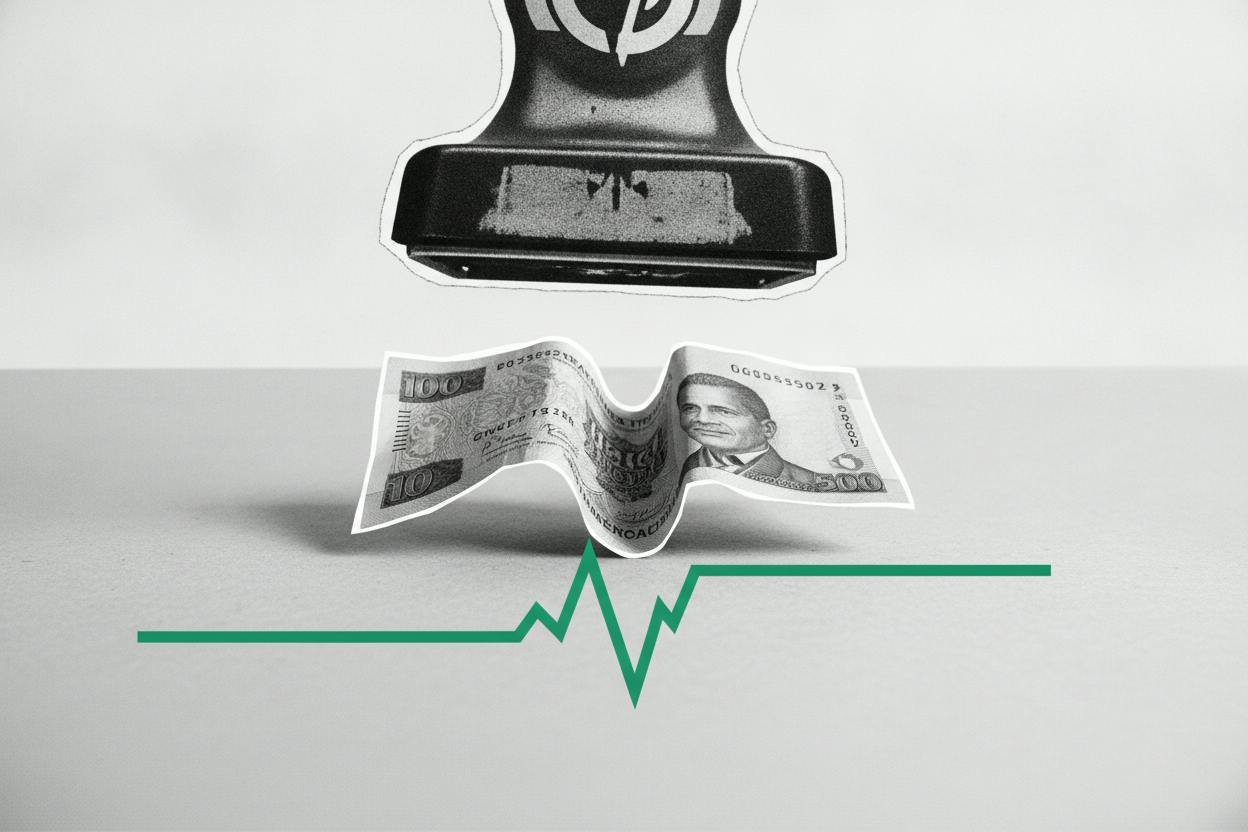
The Bank of Uganda has taken emergency action to shore up its currency and cool inflation, raising its benchmark interest rate by 225 basis points to 12.0%. The surprise move came after the Ugandan shilling slid sharply, stoking worries that imported inflation would take hold.
Central banks typically adjust rates at scheduled meetings, so an emergency hike of this size signals that policymakers felt the situation was deteriorating quickly. The shilling's weakness raises the cost of imported goods, from fuel to food, which can quickly feed into consumer prices.
Why the shilling is under pressure
Emerging-market currencies often come under strain when global investors turn risk-averse or when a country's import bill outpaces its exports. Uganda, like many East African nations, relies heavily on imports for energy and manufactured goods, so a weaker currency directly hits living costs.
The Bank of Uganda's decision to raise rates is a classic defense: higher interest rates make holding the shilling more attractive, which can support the currency and help tame inflation. The 225-basis-point increase is a substantial move, reflecting the urgency policymakers feel.
This is not an isolated story. Across the globe, central banks are wrestling with similar trade-offs. In Asia, Thailand's central bank sees a path back to 3% growth while signaling rates may have bottomed, and Poland's central bank has hinted at a possible November hike as inflation runs hot. In India, authorities have raised the cost of betting against the rupee to defend their currency.
What this means for investors
For everyday investors, the immediate effect is on Uganda's bond market. Higher rates mean newly issued government bonds will offer higher yields, which can be attractive for income-seeking investors. However, existing bonds lose value as rates rise, so holders of longer-dated Ugandan debt could see paper losses.
The shilling's slide and the rate hike also affect anyone with exposure to Ugandan equities or companies that do significant business there. A weaker currency can hurt companies that import inputs, while exporters may benefit from a more competitive exchange rate.
For global investors, the move is a reminder that emerging-market currencies can be volatile. Uganda's foreign exchange reserves jumped 56% to $6.7 billion recently, even as the shilling hit record lows, giving the central bank some firepower to intervene. But reserves alone may not be enough if the currency slide reflects deeper economic imbalances.
Inflation outlook and next steps
The central bank's primary concern is inflation. If the shilling keeps falling, import prices will rise, and that could push annual inflation above the bank's target range. By hiking rates now, the Bank of Uganda is trying to get ahead of that curve.
Investors will be watching for signals on whether this is a one-off move or the start of a tightening cycle. If the shilling stabilizes and inflation pressures ease, the bank may hold rates steady. But if the currency weakens further, another hike could be on the table.
For now, the message from Kampala is clear: defending the currency and controlling prices takes priority over supporting short-term growth. That trade-off is familiar to emerging-market policymakers, and it often means higher borrowing costs for businesses and consumers in the near term.
For the average investor, the key takeaway is to understand how currency moves and interest rate decisions ripple through portfolios. A rate hike like this can be a double-edged sword: it may boost yields for bond investors but can also signal economic stress that weighs on equities and growth.