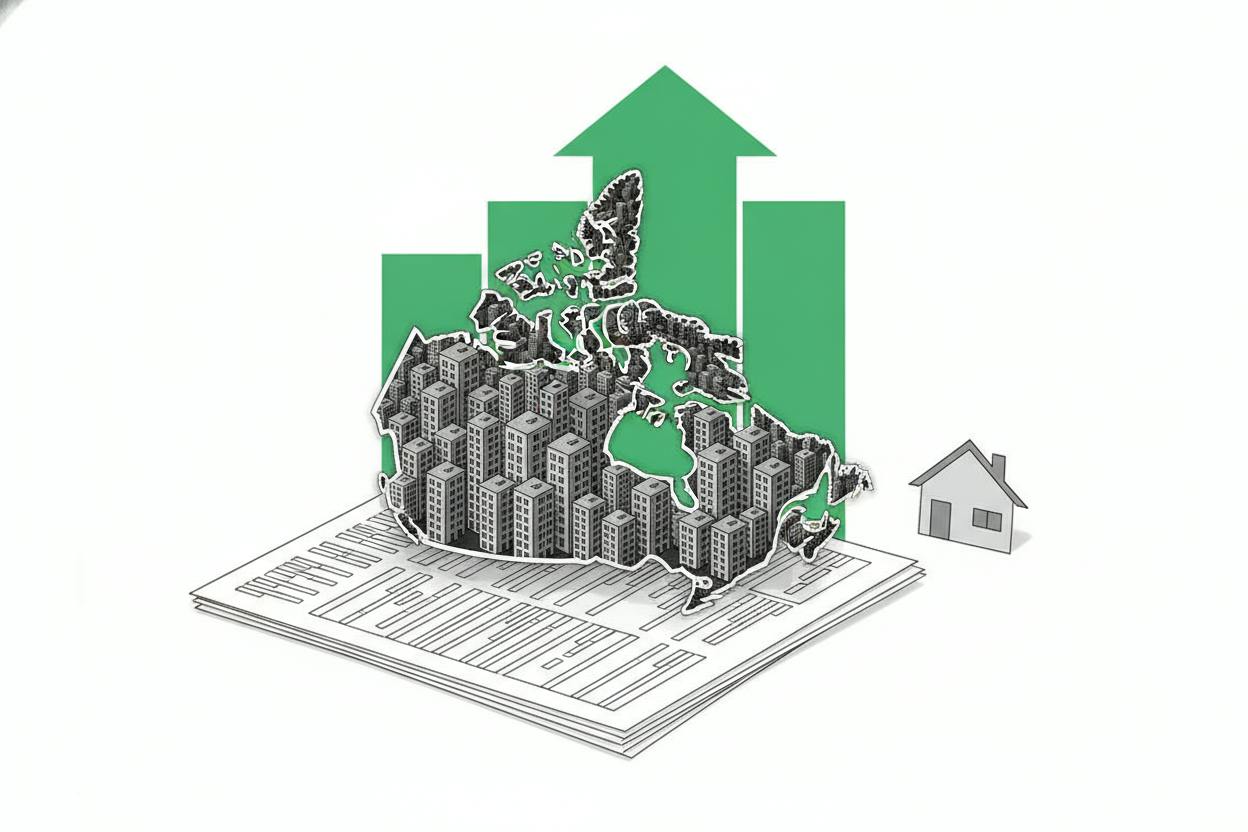
Canada's construction pipeline is looking busier. Building permits—the approvals that give developers the green light to start projects—rose 8.8% in August to CA$13.6 billion, according to Statistics Canada. The jump was led by a burst of approvals for multi-unit housing, such as apartments and condos.
The gain came in well above what economists had expected. A Bloomberg survey had forecast a more modest 3.0% monthly increase. In inflation-adjusted terms, permits were up 12.4% from a year earlier, suggesting the building sector is picking up steam even after accounting for higher construction costs.
What's driving the increase?
The details show a clear split. Residential permits climbed to CA$8.5 billion, and that growth was "supported solely" by multi-unit plans, which reached CA$5.8 billion. Single-family home approvals, by contrast, slipped to CA$2.6 billion. Non-residential permits—covering offices, retail, and industrial space—edged down to CA$5.1 billion.
That mix matters. It tells you that housing, not commercial real estate, is doing the heavy lifting for near-term building activity. It also reflects a broader trend: with high home prices and a shortage of rental supply, developers are focusing on denser projects that can house more people per square foot of land.
Building permits are an early indicator because they come before construction actually begins. They don't guarantee that a project will be built—developers can let permits lapse or delay starts—but they're a useful gauge of where the building industry is headed.
What it means for renters and buyers
For everyday Canadians, the big question is whether this will make housing more affordable. The short answer: not right away. CA$5.8 billion of multi-unit permits won't make rent cheaper next month.
Multi-unit projects are complex. They typically take longer to finance, approve, and build than single-family homes. So even if permits keep rising, it can be years before new apartments and condos actually hit the market. In the meantime, construction jobs may pick up, but the supply of available housing won't change overnight.
That timing is crucial for your cost of living. Shelter inflation—the cost of housing, including rent and mortgage payments—has been one of the stickiest parts of Canada's inflation picture. Until completions catch up and vacancy rates improve, renters and first-time buyers may not feel much relief. This data is an early signal of future supply, but any broader cooling in housing-related inflation is more likely to show up later, not in the next few months.
For investors, the permits report is a reminder that housing is a slow-moving sector. It's also worth watching how this plays out against other trends, like the looming wave of mortgage renewals that could strain household budgets. And while the construction sector may benefit from more activity, the broader economy is still dealing with an aging population that's weighing on the labour force, as recent data on participation rates shows.
The bigger picture
Canada has a well-documented housing shortage, and policymakers have been pushing for more supply, especially in the rental segment. This permits jump suggests that push is starting to show up in approvals. But permits are just one step in a long process.
Developers still need financing, and higher interest rates have made that more expensive. They also need construction workers, materials, and municipal approvals—all of which can cause delays. So while the August numbers are encouraging, they're not a guarantee of a sudden surge in housing completions.
For the economy as a whole, more building activity could support jobs and growth. But it also means more demand for materials and labour, which could keep construction costs elevated. That's a double-edged sword for inflation.
In the near term, the most likely impact is on the construction sector itself. Companies that build apartments and condos may see more work in the pipeline. But for renters and buyers, the payoff will be gradual. As the saying goes, the best time to plant a tree was 20 years ago—and the same applies to housing supply.
For now, the permits data is a positive sign that the building pipeline is getting busier. But it's a long road from permit to occupancy, and the relief that Canadians are hoping for will take time to arrive.