Canada's manufacturing sector posted its strongest growth in more than four years in July, according to a closely watched survey, signaling that the country's factories are humming. But the report also carried a cautionary note: tariffs and rising energy costs are keeping inflation concerns alive.
What the numbers show
S&P Global, a market data firm, said its Canada manufacturing purchasing managers' index (PMI) rose to 53.5 in July, up from 53.0 in June. That's the highest reading since June 2022. Any PMI reading above 50 indicates the sector is expanding, while a reading below 50 points to contraction.
The details of the survey suggest the growth was broad-based, with output and new orders both improving. Firms also added staff to keep up with workloads, a sign that manufacturers are confident about near-term demand.
Importantly, the pickup appears to have been driven mainly by domestic demand. That's a notable shift from earlier in the year, when export orders were a bigger driver. It suggests Canadian consumers and businesses are spending more on locally made goods, even as global trade tensions simmer.
Why tariffs and energy costs matter
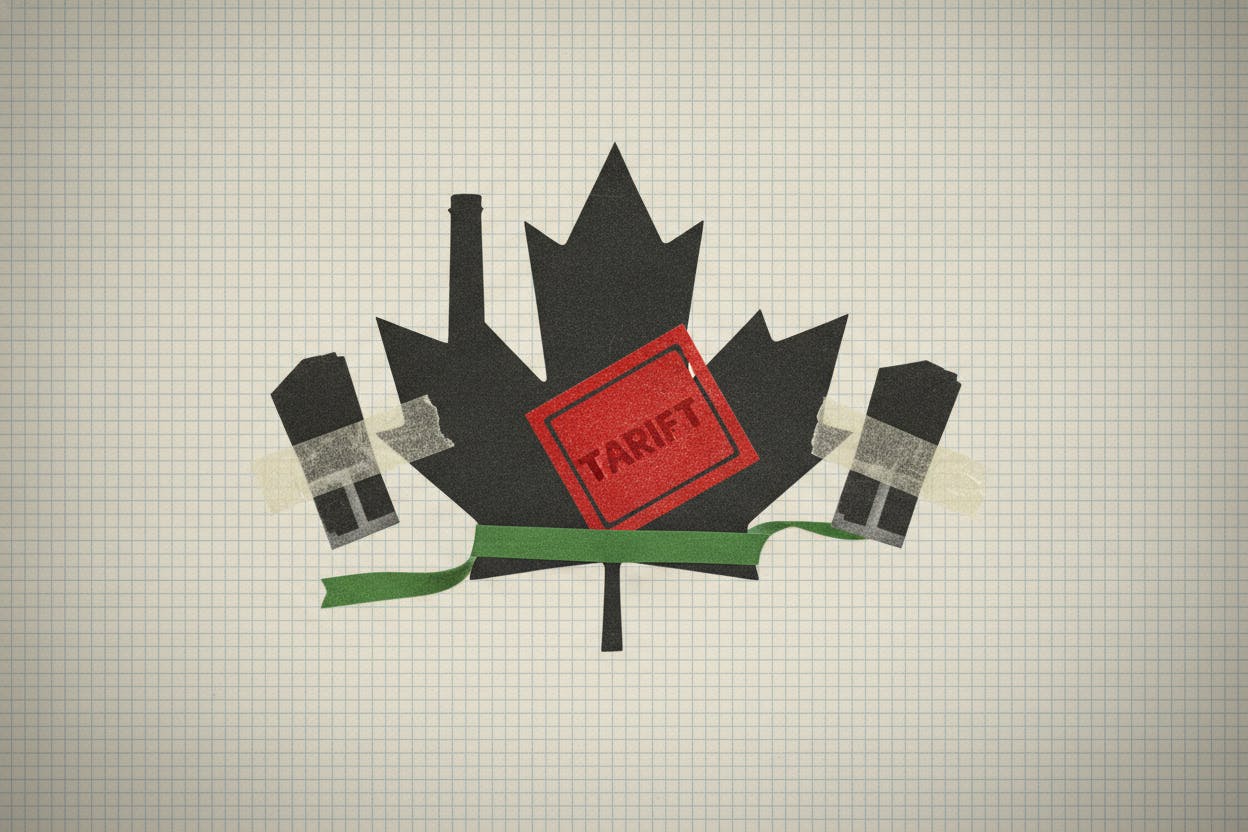
Despite the upbeat headline, the report flagged two persistent worries: tariffs and energy prices. The United States has imposed tariffs on a range of goods, and Canada has retaliated with its own measures. For manufacturers, tariffs raise the cost of imported inputs and can disrupt supply chains, making it harder to plan and price products.
Energy costs are another pressure point. Higher oil and natural gas prices feed directly into production costs for factories, from heating to transportation. When energy costs rise, manufacturers often pass those expenses on to customers, which can push up consumer prices. That's why the PMI report noted that inflation worries remain in the picture, even as growth accelerates.
The tension between strong growth and rising costs is a familiar one for central banks. The Bank of Canada has been trying to bring inflation down to its 2% target, and a hot manufacturing sector could add to price pressures. At the same time, the bank is also watching for signs that the economy is slowing, so it has to balance those competing concerns.
What it means for investors
For everyday investors, the PMI report is a useful gauge of the economy's health. A rising PMI often translates into better corporate earnings for manufacturers and related industries, which can support stock prices. It can also be a leading indicator for employment, since factories that are busy tend to hire.
However, the inflation angle is the flip side. If tariffs and energy costs keep pushing prices up, the Bank of Canada may be less inclined to cut interest rates soon. That would affect borrowing costs for mortgages and business loans, and it could also influence the performance of rate-sensitive sectors like real estate and utilities.
Investors should also keep an eye on the broader energy market. Recent moves in oil and gas prices have already dragged energy stocks lower, as oil and gas prices slide. If energy costs stay elevated, that could squeeze margins for manufacturers and other energy-intensive businesses, even as demand remains strong.
Looking ahead
The July PMI is just one data point, but it adds to a picture of a Canadian economy that is showing resilience. The job market has been steadying, as RBC sees Canada's job market steadying ahead of the July employment report. If manufacturing strength continues, it could support broader economic growth.
Still, the tariff and energy cost issues are not going away quickly. Trade policy can change with little notice, and energy prices are notoriously volatile. For investors, the key takeaway is that Canada's factories are doing well right now, but the cost side of the ledger deserves attention.
As always, it's wise to diversify. A strong manufacturing sector is good for the economy, but individual companies can face their own challenges, from supply chain disruptions to rising input costs. Keeping a broad portfolio can help smooth out those bumps.
In the coming months, watch for updates on trade negotiations and energy prices. Both will play a big role in whether Canada's manufacturing boom can continue without reigniting inflation.