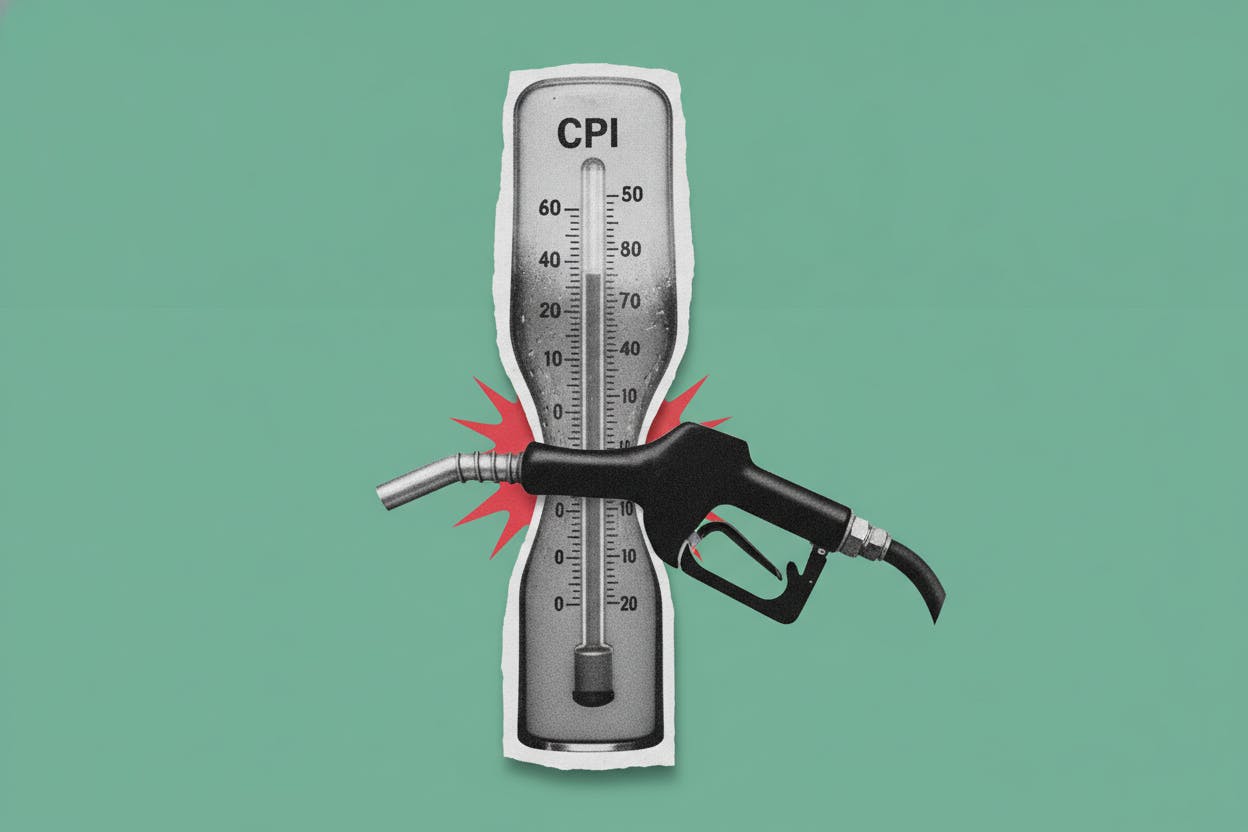
Canada's inflation rate accelerated to 3.0% in July, but a closer look at the numbers suggests the heat was mostly from energy prices, not broad-based price pressures. Rosenberg Research, an independent economic research firm, argues that once you strip out volatile energy costs, underlying inflation is still hovering near the high-1% range.
The headline consumer price index (CPI) rose 3.0% from a year earlier, up from 2.8% in June and slightly above the 2.9% that economists had expected. The jump was largely driven by a surge in gasoline prices, which have climbed as oil prices have firmed globally.
Core inflation tells a cooler story
To get a clearer picture of the underlying trend, economists look at "core" inflation measures that strip out volatile items like food and energy. These gauges are designed to reveal whether price pressures are broadening or staying contained.
According to the data, inflation excluding food and energy ran at 1.9% in July, while the CPI median measure—a statistic that tracks the middle of the price-change distribution—was 2.0%. Both are right around the Bank of Canada's 2% target, suggesting that the recent acceleration is not a sign of a broader inflation problem.
Rosenberg Research's take is that the headline number "looked hotter than it really was." The firm points out that energy costs were the main culprit, and that the rest of the consumer basket remains relatively subdued.
Why this matters for your money
For everyday investors, the distinction between headline and core inflation matters because it influences what the Bank of Canada does with interest rates. If inflation is truly running hot, the central bank might feel pressure to raise rates, which would increase borrowing costs for mortgages and other loans, and could weigh on stock prices.
But if the spike is mostly energy-driven, the Bank of Canada is more likely to look through it. Central banks typically focus on core measures when setting policy, because they provide a better signal of where inflation is heading over the medium term.
That's why the market reaction to Tuesday's report was relatively muted. The Canadian dollar, or loonie, actually hit a two-month high against the U.S. dollar, and the TSX slipped only modestly, as investors digested the news without panic.
Still, the headline number is what many people see first, and it can feed into inflation expectations. If consumers and businesses start expecting higher inflation, they may adjust their behavior in ways that make inflation more persistent. That's why central banks keep a close eye on both headline and core readings.
Energy's outsized role
Energy prices have been a wildcard for inflation all year. Oil has climbed recently, with crude rising to $85 a barrel, partly due to geopolitical tensions in the Middle East and supply concerns. That has pushed up gasoline prices at the pump, which directly feeds into the CPI.
But energy prices are notoriously volatile. They can swing sharply on news about supply disruptions, OPEC decisions, or global demand. As a result, a single month's jump in energy costs can distort the headline inflation number, making it look like prices are rising faster than they really are across the broader economy.
Rosenberg Research's analysis suggests that the underlying trend is still benign. That aligns with other recent data showing that inflation in many developed economies is cooling, even as energy costs remain a source of uncertainty.
What investors should watch next
The key question for markets is whether the Bank of Canada will see this report as a reason to hold off on any future rate cuts, or whether it will look past the energy spike and focus on the softer core readings.
Most economists expect the central bank to keep rates on hold for now, but the path forward will depend on upcoming inflation and jobs data. If core inflation stays near 2%, the case for eventual rate cuts strengthens, which would be positive for stocks and bonds. If energy prices keep climbing and start to feed into other prices, that could change the calculus.
For investors, the takeaway is to look beyond the headline number. A single month's CPI print can be noisy, and energy-driven spikes often reverse. Keeping an eye on core inflation and the central bank's reaction will give a clearer picture of where the economy is headed.
As always, diversification and a long-term perspective remain the best tools for navigating inflation-related market moves.