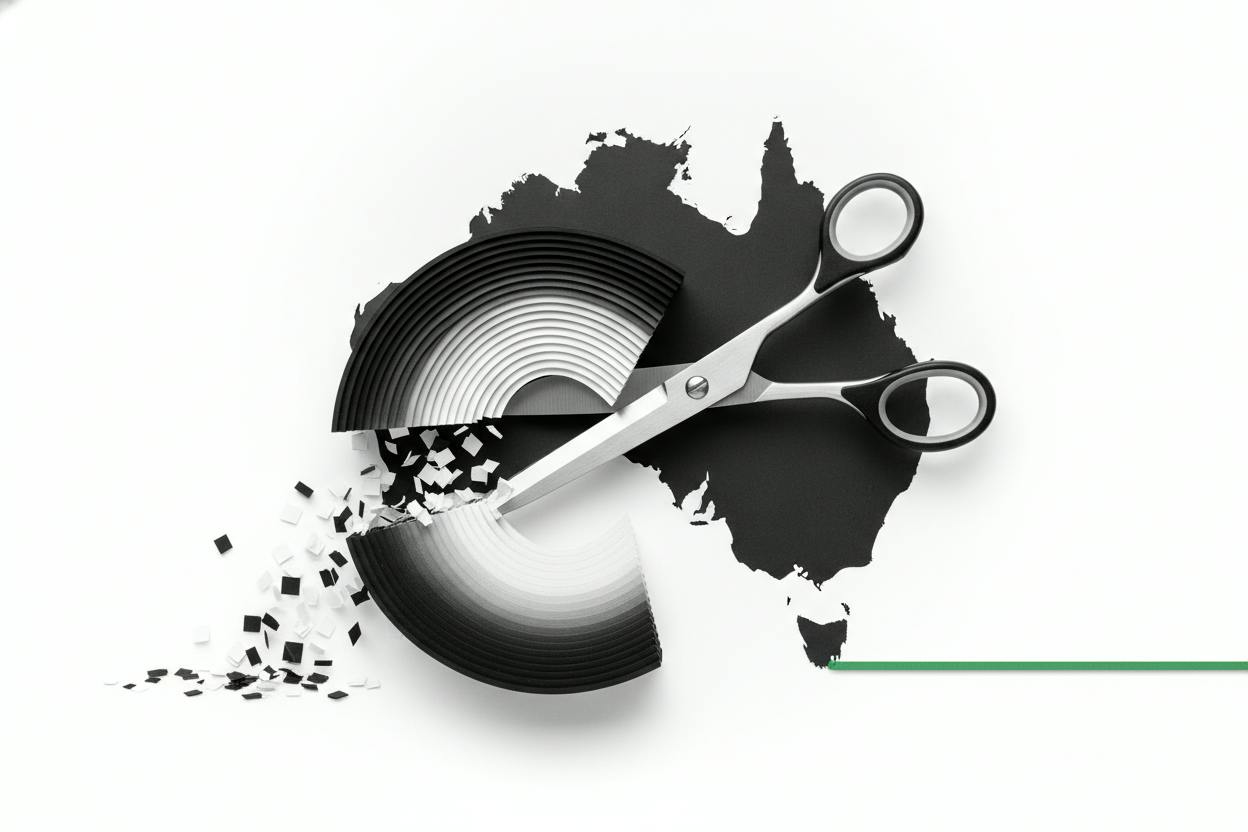
Canva, the popular online design platform, is undergoing a major restructuring that will affect about 1,271 roles—roughly 22% of its workforce. The company says the changes are part of an effort to simplify how it builds products, as it faces its first growth slowdown in a decade and adapts to a workplace increasingly shaped by artificial intelligence.
The announcement, first reported by Reuters, marks a significant shift for a company that has been one of Australia's most prominent tech success stories. Canva's co-founder and CEO Melanie Perkins said the company is folding its product, growth, and platform units into a single product organization. The goal: fewer handoffs, faster decisions, and thinner management layers.
What 'impacted' really means
Not everyone affected is being laid off. Canva says the 1,271 roles cover three categories: job cuts, role changes, and relocations. Some employees will lose their jobs, others will see their responsibilities shift, and some may be asked to move to Sydney, which is becoming the main hub for more product teams.
In addition, from January most hybrid staff will be expected to come into the office two to three days a week. That's a notable change for a company that has been known for its flexible, remote-friendly culture. Canva is offering departing employees $10,000 grants to help with the transition.
The restructuring echoes a broader trend in Australia's tech sector. Companies like Atlassian and WiseTech Global have also cited AI-driven changes in work as they cut and reorganize. As AI tools take over more routine tasks, many firms are rethinking how many people they need and what those people should do.
Why the slowdown matters
Canva's growth slowdown is a key backdrop. The company had been on a rapid upward trajectory for a decade, but that pace is now cooling. For a private company valued at tens of billions of dollars, slower growth can put pressure on profitability and future fundraising. It also signals that the design software market is maturing, with more competition from established players like Adobe and newer AI-powered tools.
For investors, this is a reminder that even high-flying tech companies eventually face headwinds. When growth slows, companies often look to cut costs and streamline operations—exactly what Canva is doing. The question is whether these changes will help Canva maintain its edge or signal deeper challenges.
What it means for employees and the broader tech job market
For Canva employees, the new office policy turns 'hybrid' into a location decision. When a fast-growing company merges groups and removes management layers, the jobs most at risk are often the 'in-between' roles that mainly coordinate work across teams, because the whole redesign is meant to reduce those handoffs.
Add a Sydney-centered product setup and a firmer in-office expectation, and 'hybrid' starts to act less like a perk and more like a constraint. The practical commuting radius shrinks, and relocation becomes part of the job conversation. For employees across Australia's tech scene, that can shift the trade-off from 'remote vs office' to 'relocate vs exit,' with real effects on household time and travel costs.
Over time, whichever city a big employer anchors around can also become the informal benchmark for pay ranges, flexibility, and career mobility for similar roles nearby. That's why Canva's decision to make Sydney the hub matters not just for its own staff, but for the entire Australian tech labor market.
What investors should watch
For everyday investors, Canva is a private company, so you can't buy its stock directly. But the restructuring offers clues about the health of the broader tech sector. When a major player like Canva slows down and reorganizes, it can be a signal that the era of hypergrowth in consumer software is giving way to a more efficiency-focused phase.
Investors in public tech companies should watch how peers handle similar pressures. The trend of AI-driven reorganization is not unique to Canva—it's happening across the industry. Companies that adapt quickly may emerge stronger, while those that resist change could struggle.
For a deeper look at how other companies are navigating similar challenges, check out our coverage of Canva's job cuts and the broader growth drivers and risks in tech-adjacent sectors.
Ultimately, Canva's restructuring is a reminder that even the most successful companies must evolve. For employees, it means adapting to new expectations. For investors, it's a lesson in the importance of watching how companies manage change—and whether they can sustain growth in a world where AI is rewriting the rules of work.