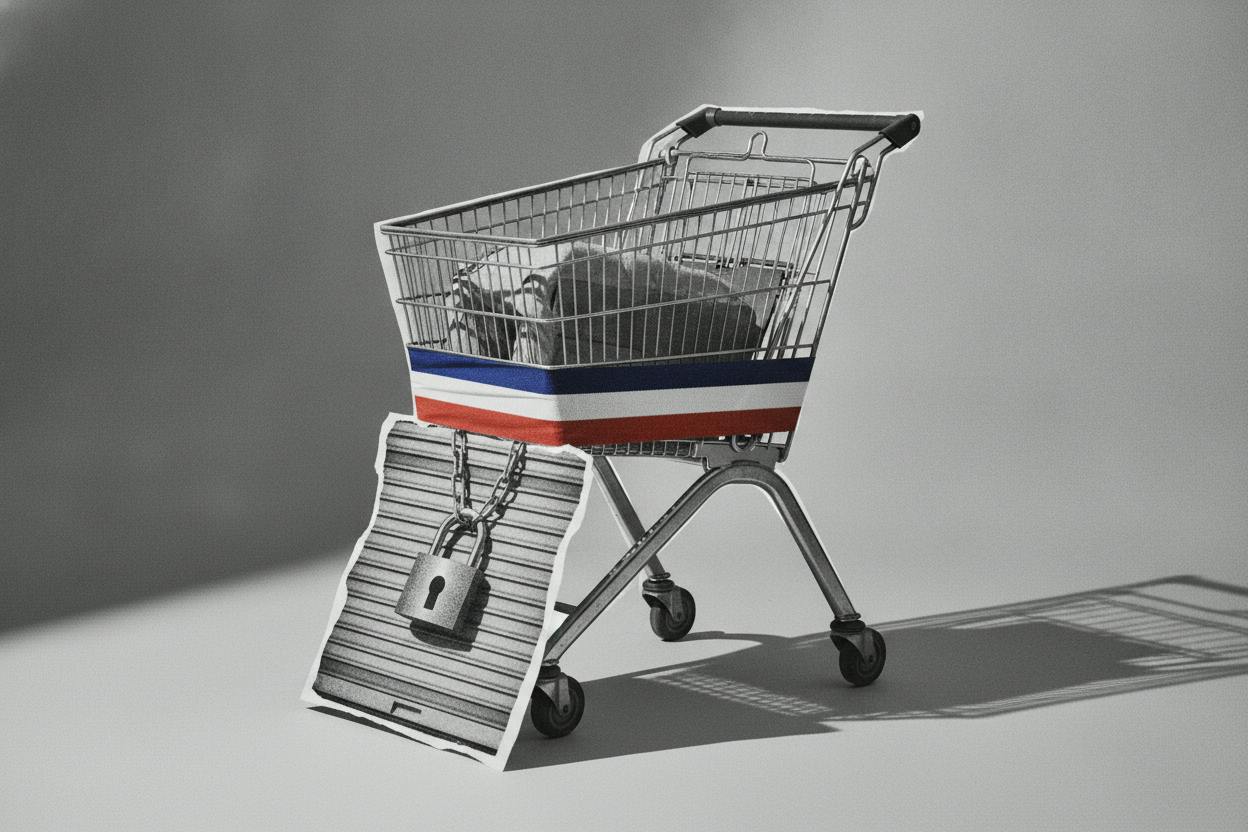
Carrefour, one of the world's largest grocery retailers, has trimmed its annual profit targets after a wave of unrest across France disrupted operations at dozens of its stores. The company said looting, curfews, and extra security measures have already cost it “several tens of millions of euros,” according to comments relayed by Reuters, and the timing could not be worse: the crucial fourth-quarter shopping season is just around the corner.
What happened
Finance chief Matthieu Malige said 50 Carrefour stores were directly affected by the violence. Some were forced to close entirely, others shut early, and curfews in several areas shortened trading hours. The damage goes beyond broken windows and stolen goods. With fewer hours open, the company loses sales that are rarely recovered later, and the need to hire outside security guards adds immediate costs.
The company also warned that the unrest could further dent consumer confidence, which was already fragile after higher fuel prices. For grocers, that matters because they rely on steady foot traffic and thin margins rather than big markups to make money.
Why it matters for investors
In grocery retail, profits can swing more than sales because so many costs are fixed. Rent, utilities, and baseline staffing don't fall much when a store closes early. That “operating leverage” is painful in a low-margin business. The direct margin drag from looted or destroyed inventory and damaged equipment, plus the extra security spending, flows straight into costs rather than being easy to offset with higher prices.
Put together, the disruption makes Carrefour's fourth-quarter profitability more sensitive to any further flare-ups in France, even if headline revenue doesn't look disastrous. Investors will be watching whether the unrest spreads or subsides, and how quickly Carrefour can recover lost sales.
The news comes as European markets have been jittery over the situation in France. French curfews have deepened market jitters, and the euro has been under pressure. The euro steadied near $1.12 as France calmed, but bond yields keep traders wary.
For everyday investors, this is a reminder that geopolitical and social events can hit even the most established companies. Carrefour is a household name, but its profits are tied to the health of the French economy and consumer sentiment. When unrest disrupts shopping, even a giant like Carrefour feels the pinch.
What to watch next
Investors will be looking for signs of how long the disruption lasts. If the unrest fades quickly, Carrefour may be able to recover some lost sales in the holiday season. But if it continues, the company could face further downgrades. The company's ability to manage costs and protect margins will be key.
Carrefour's warning also highlights broader risks for European retailers. European shares have slipped as France worries and bank probes weigh on sentiment. The situation in France is not just a local issue; it can ripple through the region's markets.
For now, Carrefour's cut to its profit targets is a clear signal that the unrest is having a real financial impact. The company is not alone in facing such challenges, but its size and exposure make it a bellwether for how the French consumer is faring.
As the fourth quarter approaches, all eyes will be on whether Carrefour can navigate the disruption and deliver on its revised targets. The company's next earnings report will be a key test.