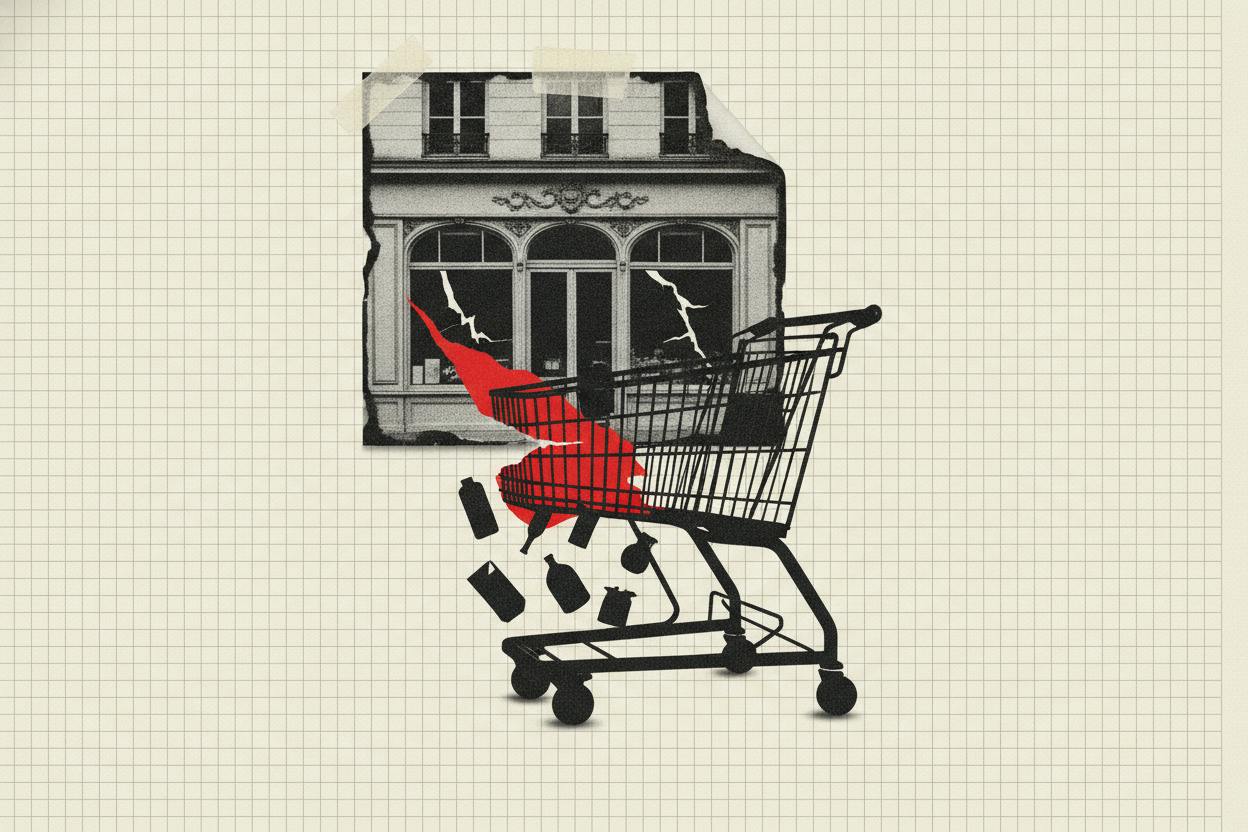
Carrefour, one of the world's largest grocery retailers, has cut its 2026 financial outlook after a wave of riots in France damaged roughly 50 of its stores. The company said the unrest caused “tens of millions of euros” in losses, even as its third-quarter sales continued to climb.
The French supermarket giant reported that like-for-like sales—a measure that strips out the effect of new and closed stores—rose 2.3% in the third quarter to €22.69 billion. That headline number looked healthy, but management still felt compelled to lower its guidance for 2026, citing the operational and financial hit from the riots.
What the riots cost Carrefour
The damage went beyond temporary store closures. Riots led to property destruction, stolen inventory, and the need for extra security and cleanup. In grocery retail, profit margins are notoriously thin, so even a relatively small hit to costs can weigh heavily on the bottom line.
Retailers call missing stock “shrink,” and it directly reduces gross profit. On top of that, Carrefour faces upfront expenses for repairs and security that may not be reimbursed by insurance for some time. These costs can strain cash flow in the short term, even if the long-term damage is limited.
The decision to trim the 2026 outlook signals that management sees these disruptions as more than a blip. Multi-year targets depend on steady cash generation, and sudden shocks—whether from civil unrest, natural disasters, or supply chain problems—can knock that path off course even when quarterly sales look stable.
A familiar pattern across industries
Carrefour is not alone in revising guidance after an unexpected event. Companies across sectors regularly adjust their forecasts when faced with operational setbacks. For instance, Woodside trimmed its output outlook and slowed a major project, while Intuitive Surgical cut its growth outlook for its da Vinci robots, sending shares down. Even NEXTDC pushed back its 2027 outlook due to power delays. These examples show that guidance changes are often a reaction to real-world friction, not just a sign of weak demand.
In Carrefour's case, the riots are a one-off event, but they highlight how vulnerable retailers are to disruptions in their operating environment. The company's ability to recover will depend on how quickly it can repair stores, restock shelves, and get insurance claims processed.
What it means for investors
For everyday investors, Carrefour's situation is a reminder that “one-offs” can still move multi-year targets. When a company operates on thin margins, a small increase in costs can have an outsized effect on profits. Damage and theft create an immediate drag, and rebuilding stores can pull forward spending that might otherwise have gone to dividends, debt reduction, or price investments.
That makes future free cash flow less predictable, which can keep investors cautious about the entire grocery sector. Even when revenue trends look fine, as they do for Carrefour, the risk of unexpected operational shocks can weigh on how much investors are willing to pay for these stocks.
Investors will likely watch for updates on insurance recoveries and the pace of store reopenings. They'll also listen for any signs that the riots could affect consumer sentiment or foot traffic in the affected areas. For now, Carrefour's sales growth suggests underlying demand remains solid, but the lowered outlook is a clear warning that the path to 2026 targets is not as smooth as once hoped.
In the broader market, this story fits a pattern of companies revising guidance due to external shocks. LATAM Airlines trimmed its growth outlook because of high jet fuel costs, while Hasbro raised its outlook on strong toy sales. The contrast shows how different industries face different headwinds and tailwinds.
For Carrefour, the immediate focus is on recovery. The company's ability to bounce back from the riots will test its operational resilience and financial flexibility. If it can manage the costs and restore normal operations quickly, the impact on long-term value may be limited. But the lowered outlook is a sobering reminder that even giants can be tripped up by events beyond their control.