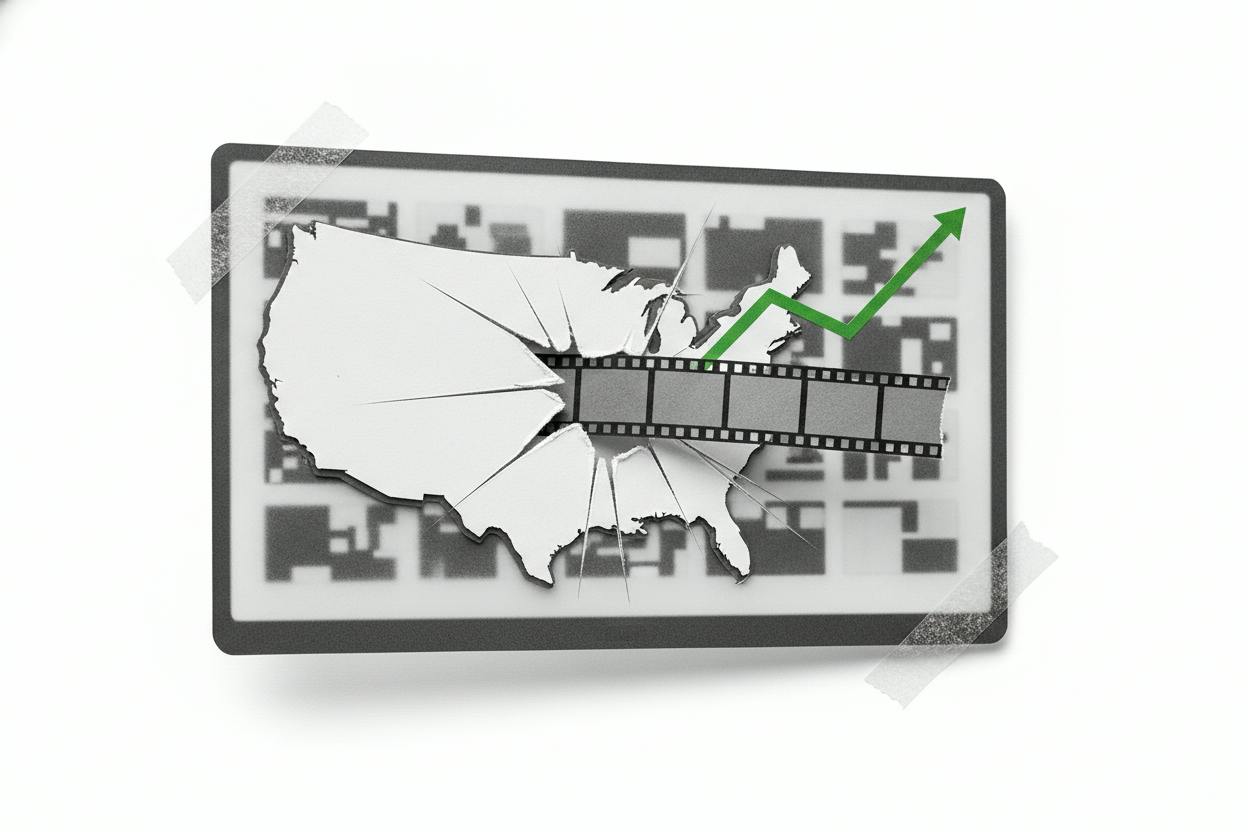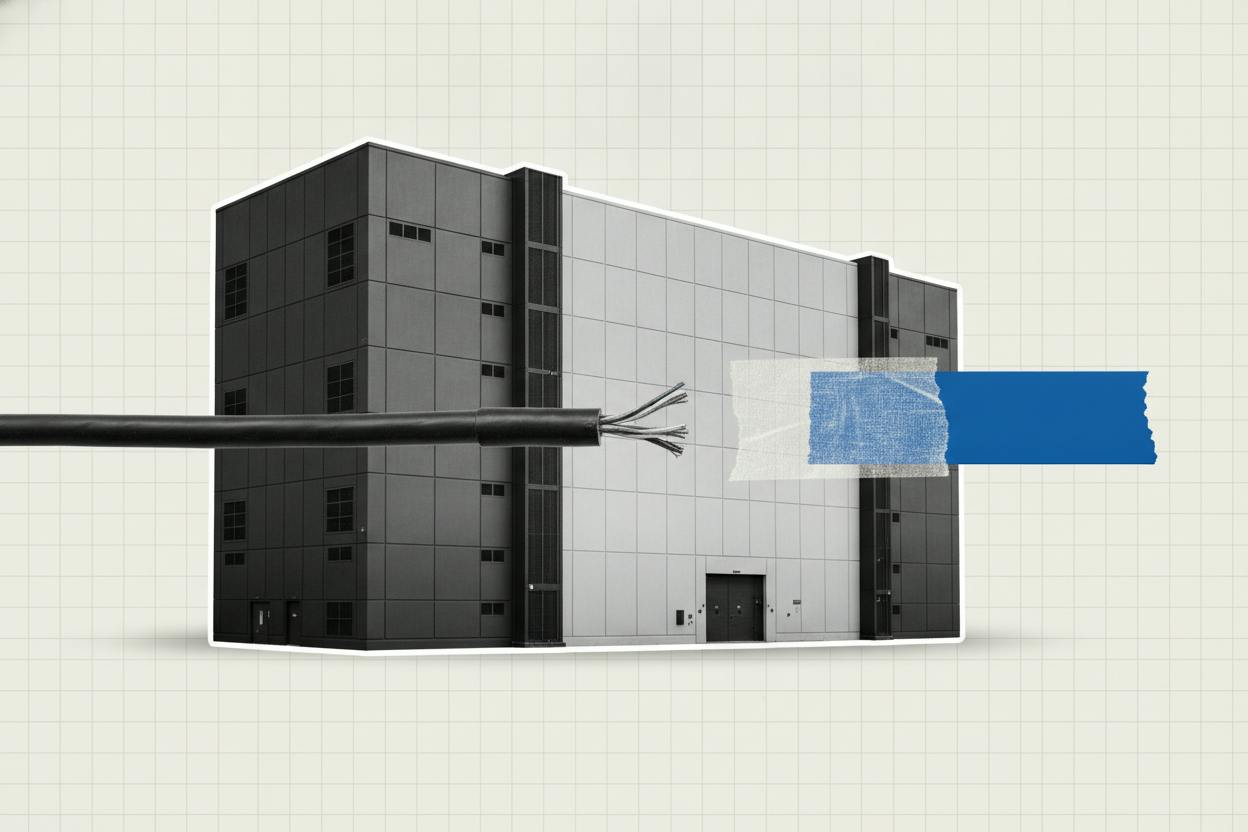
Australia's NEXTDC has lowered its revenue and profit guidance for 2027, after delays to a power-grid upgrade in Melbourne pushed the extra capacity at its M3 data center — and the customer billing attached to it — into 2028, according to Reuters.
The company also said it would pause new projects and land purchases while it waits for the electricity supply to catch up. For a data-center operator, that is a significant step: it means the business is choosing to slow its own expansion rather than commit capital to sites it cannot yet power.
Why power, not space, is the bottleneck
NEXTDC does not simply rent out buildings. It sells capacity inside its facilities — floor space, cooling and, most importantly, electricity. That power is measured in megawatts, and it is the real product. A customer contract is only worth what the grid can actually deliver.
That is why a delayed substation or transmission upgrade matters so much. Even with signed contracts and finished construction, NEXTDC cannot switch on capacity for customers if the local network cannot supply the promised power. The revenue arrives later, and so does the cash flow that funds the next round of building.
The M3 site in Melbourne is a case in point. Extra supply that was expected to come online in time to support 2027 numbers has slipped to 2028, which is why the guidance cut lands on that year rather than the current one.
A problem spreading across the data-center industry
NEXTDC is not alone in running into power constraints. The rapid build-out of cloud computing and artificial intelligence has made electricity — not land or servers — the scarcest input for many operators. Grid connections that once took months can now take years in some markets, and utilities are being asked to handle demand growth they did not forecast.
That squeeze has shown up elsewhere in the sector. Amazon's AI server rollout has run into similar power shortages at its data centers, a reminder that the constraint is structural rather than company-specific.
For investors, the lesson is that data-center growth is increasingly gated by infrastructure outside the operator's control: transmission lines, substations, generation capacity and the regulators and utilities that approve them. A company can have demand, capital and land, and still be stuck waiting on a connection.
What the guidance cut actually means
Guidance cuts are rarely just about one number. When a company trims its outlook, it is telling the market that the timing of its revenue has changed. In NEXTDC's case, the money is not necessarily lost — it is deferred. The capacity still exists, the customers still want it, and the billing should eventually arrive once the power does.
But deferral has costs. Data-center construction is capital-intensive, and operators typically fund it with a mix of debt, equity and cash flow. If revenue slips a year, the returns on already-spent capital slip with it, and the company may need to carry financing costs for longer before the asset starts earning.
Pausing new projects and land buys is a way to protect the balance sheet in that environment. It reduces near-term spending and avoids adding more capacity that cannot be energised on schedule. The trade-off is that it also slows future growth, which is exactly what investors in a high-growth sector tend to pay up for.
What investors will watch next
The key question is whether the Melbourne grid delay is a one-off or the first of several. Investors will want clarity on the timing of the M3 upgrade, whether other sites face similar power constraints, and how the pause on new projects affects the company's longer-term pipeline.
They will also watch the broader Australian energy market. Grid upgrades involve utilities, regulators and sometimes multiple levels of government, and timelines can shift again. Any further slippage would put more pressure on the 2028 numbers that the company is now relying on.
Finally, watch how peers and customers respond. If power constraints persist, operators may compete harder for sites with existing connections, and large customers may rethink where they place workloads. That could reshape which data-center markets look most attractive over the next few years.
For everyday investors, the takeaway is straightforward: in the data-center boom, the electricity supply is now as important as the demand. Companies that can secure power on time have an advantage; those that cannot may keep pushing revenue into future years, even when their order books look full.