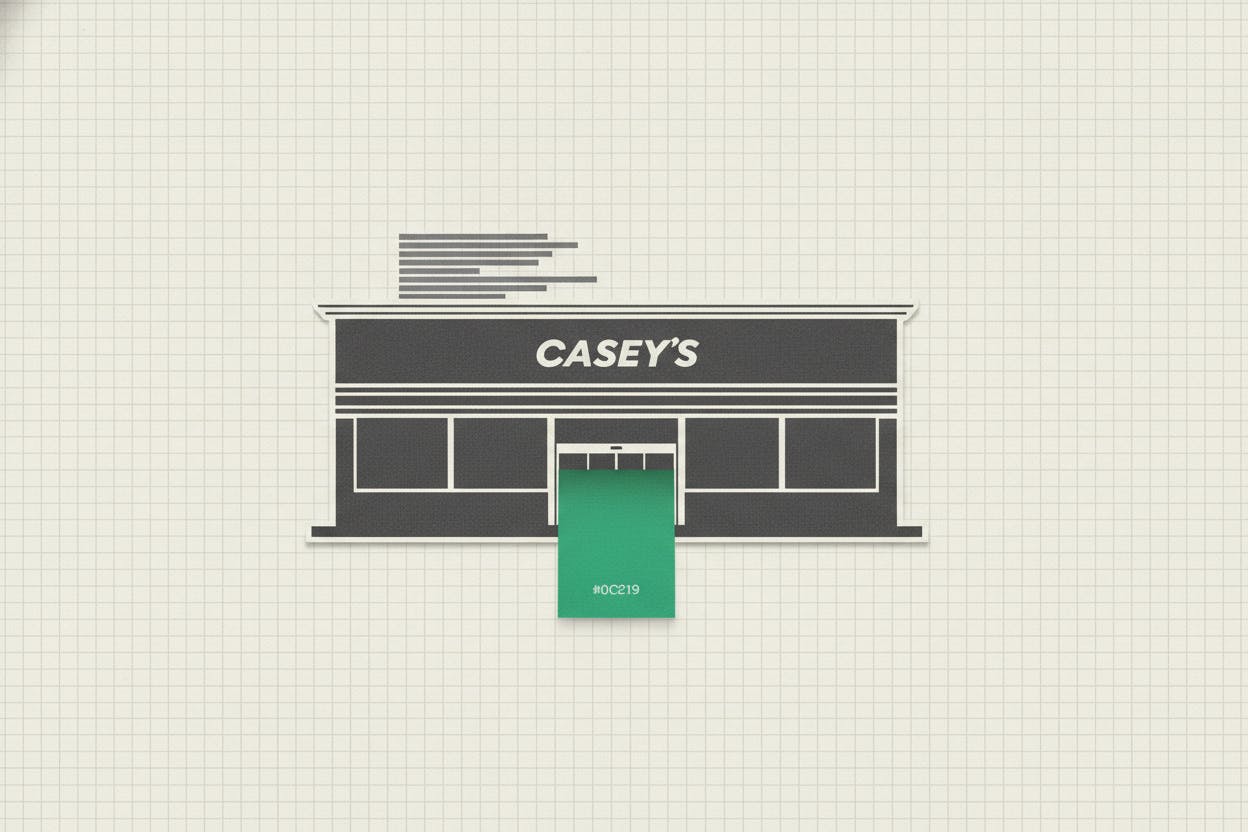
Casey's General Stores, the Midwest-based convenience store chain, saw its shares slip after the company reported fiscal first-quarter results that showed a slowdown in a key sales metric. While earnings and revenue both topped Wall Street's expectations, investors focused on the miss in same-store sales growth, a crucial gauge of retail health.
Same-store sales miss the mark
For the quarter, Casey's said inside same-store sales—which measure sales at locations open at least a year, excluding fuel—rose 3.2%. That was below the 4.1% that analysts had penciled in. The figure also marked a deceleration from the 4.3% growth the company posted in the same period a year earlier.
Drilling down, grocery and general merchandise same-store sales grew 2.7%, down from 3.8% a year ago. This category is a core part of Casey's business, and the slowdown suggests that consumer spending on everyday items may be cooling.
Same-store sales are often described as a retail "health check" because they isolate the performance of existing locations, stripping out the impact of new store openings or acquisitions. A miss here can signal that a company's underlying momentum is fading, even if the headline numbers look strong.
Earnings and revenue beat, but investors want more
Despite the same-store sales shortfall, Casey's delivered a solid quarter on the bottom line. Earnings per share came in above analyst estimates, and revenue also topped forecasts. The company's fuel business, which is a major part of its operations, likely benefited from stable demand and pricing.
However, the market's reaction underscores how closely investors watch same-store sales as a forward-looking indicator. A beat on earnings can be overshadowed if the core sales engine is losing steam. For a retailer like Casey's, which operates more than 2,500 stores across the U.S., same-store sales growth is a direct reflection of consumer traffic and spending habits.
The slowdown in inside sales could be tied to broader economic pressures. With inflation still elevated and interest rates high, many households are trimming discretionary purchases. Convenience stores, which rely on impulse buys and quick trips, can be sensitive to these shifts. While fuel sales often remain resilient, the non-fuel side of the business—snacks, beverages, and prepared food—can be more discretionary.
What it means for investors
For everyday investors, Casey's results offer a window into the health of the American consumer. The company's footprint in the Midwest and South, where it is a staple for road-trippers and commuters, makes it a bellwether for mid-tier spending patterns.
The stock's decline after the report suggests that the market is pricing in a potential slowdown in growth. However, it's worth noting that Casey's still beat on earnings and revenue, which shows the company is managing costs and operations effectively. The question is whether the same-store sales deceleration is a temporary blip or the start of a longer trend.
Investors will likely watch for commentary from management on the current quarter and any updates on consumer behavior. They may also keep an eye on fuel margins, which can be volatile and significantly impact profitability.
In the broader market context, Casey's is not alone in facing a cautious consumer. Other retailers have reported similar trends, and the mixed signals from inflation data have added to uncertainty about how much spending power households have left. Meanwhile, rising oil prices could eventually push fuel costs higher, which might squeeze consumers further.
For those holding Casey's stock, the key takeaway is that the company remains profitable and growing, but the pace of growth is slowing. As with any retail stock, same-store sales are a critical metric to monitor in upcoming quarters. If the trend reverses, the stock could regain its footing; if it continues, investors may need to adjust their expectations.
Ultimately, Casey's results are a reminder that even companies that beat the numbers can disappoint if the underlying growth engine sputters. For investors, it's a lesson in looking beyond the headline earnings figure to the metrics that truly drive long-term value.