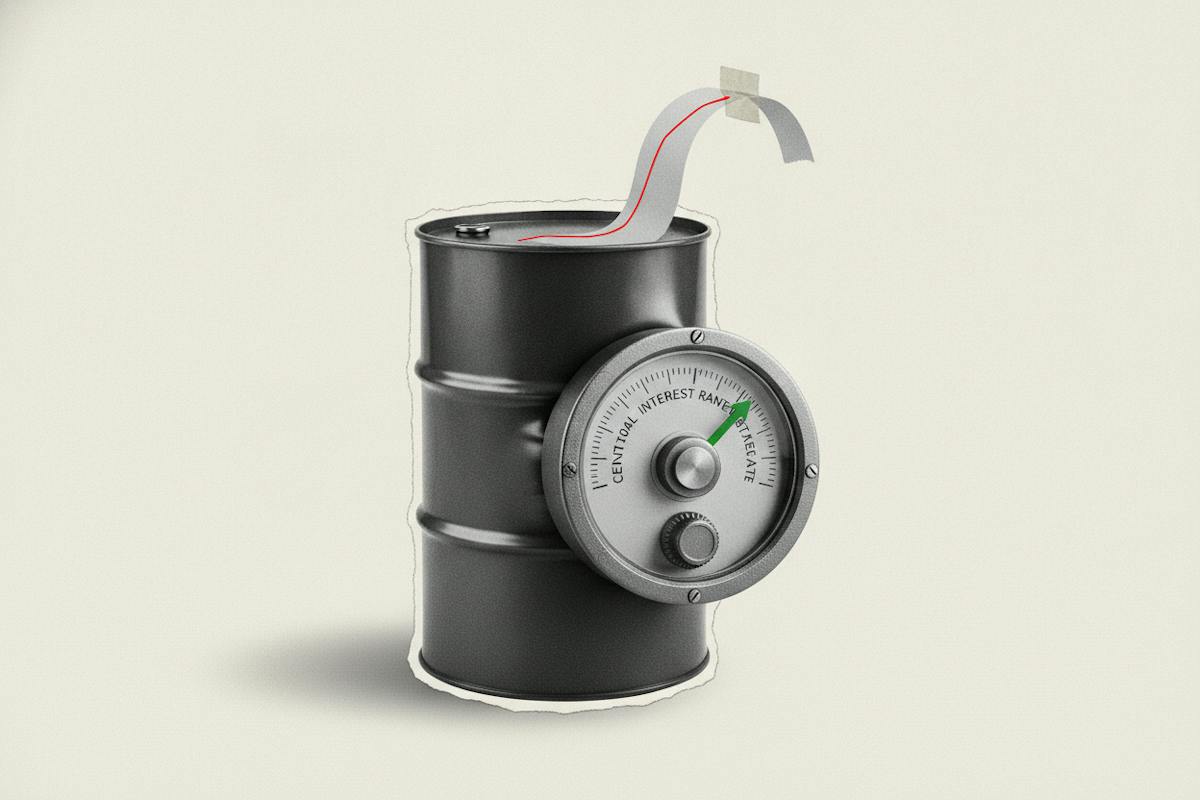
Central banks across the globe are showing a more hawkish tilt just as oil prices climb, with Brent crude briefly topping $95 a barrel, according to Commerzbank Research. The combination is putting pressure on bond markets and raising questions about how long interest rates will stay elevated.
What's happening at the major central banks?
In the United States, the Federal Reserve's latest Beige Book—a survey of regional economic conditions—described moderate growth and modest wage gains. That might sound reassuring, but Treasury futures still looked heavy, meaning investors are selling bonds and pushing yields up. The market's focus appears to be on sticky inflation and what that could mean for future rate decisions, rather than on the steady activity the report describes.
Across the Atlantic, the European Central Bank's Governing Council discussed whether to change the minimum reserve requirements that banks must hold. Officials signaled a decision could come as soon as December, with media reports suggesting many policymakers are leaning toward a change. Adjusting reserve requirements is a tool central banks use to influence how much money banks can lend, and any move could ripple through European money markets.
In Japan, a Bank of Japan policymaker talked up a path toward 2% interest rates. That's a notable shift for a central bank that has kept rates at ultra-low levels for years. If the BoJ moves toward normalizing policy, it could have global implications, as Japanese investors are major buyers of foreign bonds.
Why oil matters for central banks
Oil prices are a key driver of inflation. When energy costs rise, they feed into everything from transport to manufacturing, pushing up consumer prices. Central banks, which are trying to bring inflation down to their targets, watch oil closely. A sustained move above $95 could make their job harder, forcing them to keep rates higher for longer or even hike again.
The recent rise in oil comes amid supply concerns and geopolitical tensions. While the brief doesn't specify the cause, the effect is clear: higher energy costs add to the inflationary pressure that central banks are fighting.
What it means for investors
For everyday investors, the key takeaway is that interest rates may stay higher for longer than previously expected. That has several implications:
- Bond yields: When central banks are hawkish, bond yields tend to rise, which pushes bond prices down. If you hold bond funds, be prepared for potential volatility.
- Stocks: Higher rates make borrowing more expensive for companies, which can squeeze profit margins and make growth stocks less attractive. Sectors like technology and real estate are often more sensitive to rate changes.
- Energy: Oil at $95 can boost energy company profits, but it also raises costs for consumers and businesses, which can weigh on economic growth.
It's also worth noting that central banks are not all moving in lockstep. The Fed is weighing data, the ECB is considering technical adjustments, and the BoJ is just starting to talk about normalizing. This divergence can create opportunities but also adds uncertainty.
Looking ahead
Investors will be watching for more clues from central bank officials in the coming weeks. The Fed's next policy meeting, the ECB's December decision, and any further comments from BoJ policymakers will be key. Also, keep an eye on oil prices—if they stay above $95, expect more hawkish rhetoric.
For those with a long-term perspective, this environment underscores the importance of diversification. Having a mix of stocks, bonds, and other assets can help cushion against the swings that come with shifting central bank policy.
In related news, US growth was revised up to 4.3%, but core inflation remains hot, and European stocks jumped 1.4% as tariff fears eased. These developments show that while central banks lean hawkish, the economic picture is mixed.
As always, it's important to focus on your own financial goals and risk tolerance rather than reacting to every headline. Central bank policy is just one factor in the market, and staying disciplined is often the best strategy.