Currency traders are bracing for more US dollar strength across parts of Africa next week, with Ghana's cedi slipping toward a key psychological level and similar pressure building on Uganda's shilling and Zambia's kwacha. Kenya's shilling, by contrast, is expected to hold steady.
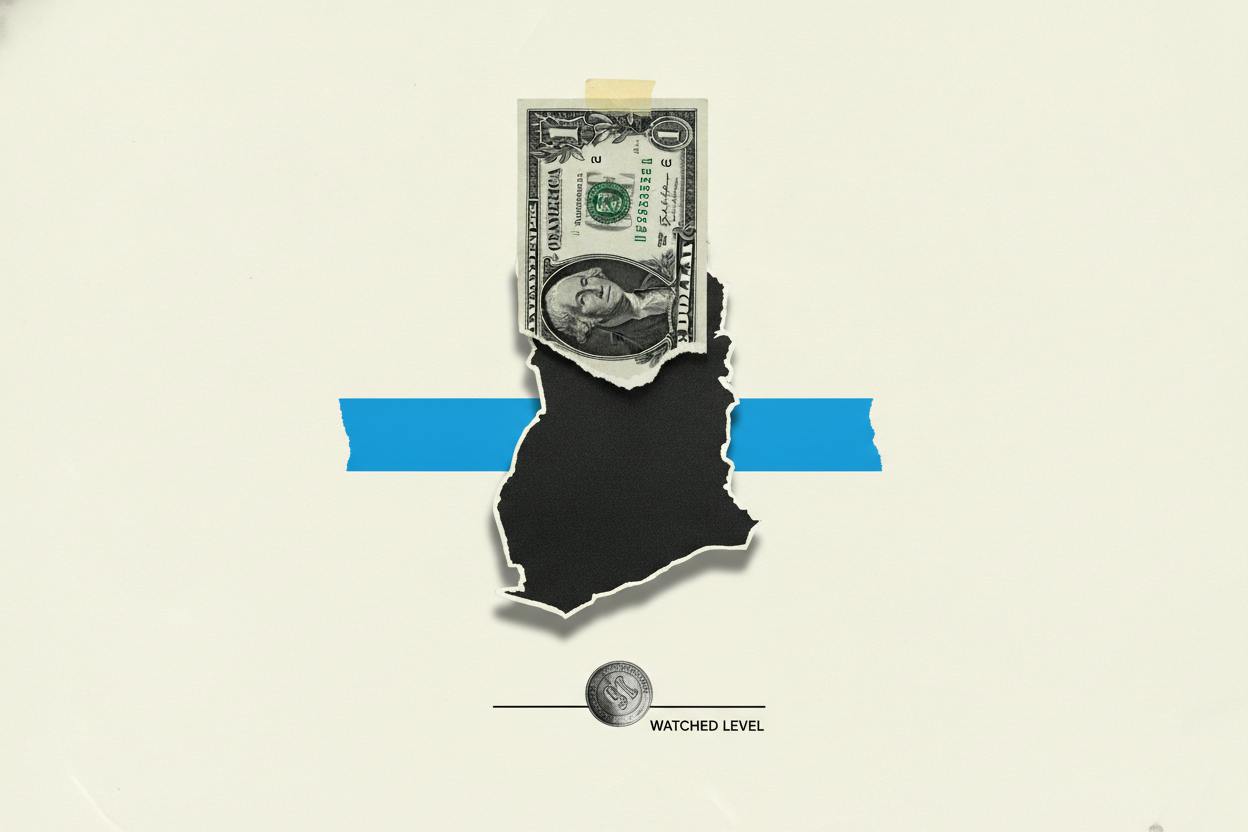
The cedi has weakened to about 11.85 per US dollar from 11.75 a week earlier, according to traders. The move reflects a simple supply-and-demand mismatch: companies need dollars to pay for imports and service debts, but the supply of hard currency is tight.
Why the cedi is under pressure
Traders point to a cooling in inflows from Ghana's mining sector as gold prices have fallen, reducing the amount of dollars coming into the economy. At the same time, the timing of dollar sales from GoldBod, a state-run gold-purchasing program, has been uneven, leaving demand to build up.
If the cedi tests the 12.00 level, traders believe the Bank of Ghana could step in to calm short-term volatility. But such intervention would only address the symptom, not the underlying shortage of dollars.
Similar forces are at work elsewhere in the region. Uganda's shilling has weakened as energy firms and other importers chase hard currency, with banks quoting around 4,295/4,305 and traders eyeing a range of 4,300 to 4,350. Zambia's kwacha is trading near 20.81 per dollar, with mild pressure expected as importer demand rises.
Kenya stands out as the exception. Traders see the shilling steady near 130.05/130.25, suggesting that the forces pressuring other regional currencies are not as acute there.
What this means for everyday investors
For ordinary people in these countries, the most immediate impact of a weaker currency shows up in the price of imported goods. When the local currency loses value against the dollar, anything priced in dollars becomes more expensive in local terms. This is known as "FX pass-through" in plain English: importers need more cedi, shillings, or kwacha to buy the same shipment of fuel, machinery, food, or spare parts.
Businesses often respond by raising prices, shrinking pack sizes, or cutting volumes. The quickest hits are usually felt in fuel-linked transport and distribution costs, which ripple through the broader economy.
With Ghana nearing 12.00, Uganda drifting toward 4,300-4,350, and Zambia near 20.81, the near-term risk is extra pressure on everyday imported items in those countries. A steadier Kenyan shilling, by contrast, should reduce the odds of a fresh currency-driven bump in import prices.
For investors with exposure to these markets, currency weakness can also affect the value of local-currency assets and the returns on foreign investments. A depreciating currency can erode the dollar value of local stocks and bonds, even if the underlying businesses are performing well.
Investors will be watching whether the Bank of Ghana intervenes to defend the 12.00 level, and whether gold prices stabilize, which could ease the dollar shortage. The broader backdrop of US dollar strength, driven by expectations of higher-for-longer US interest rates, is also a key factor. As the dollar holds steady ahead of key US data, emerging market currencies often feel the pinch.
For now, the trend is clear: in much of West and East Africa, the dollar is getting stronger, and that has consequences for import prices, inflation, and the value of local investments.