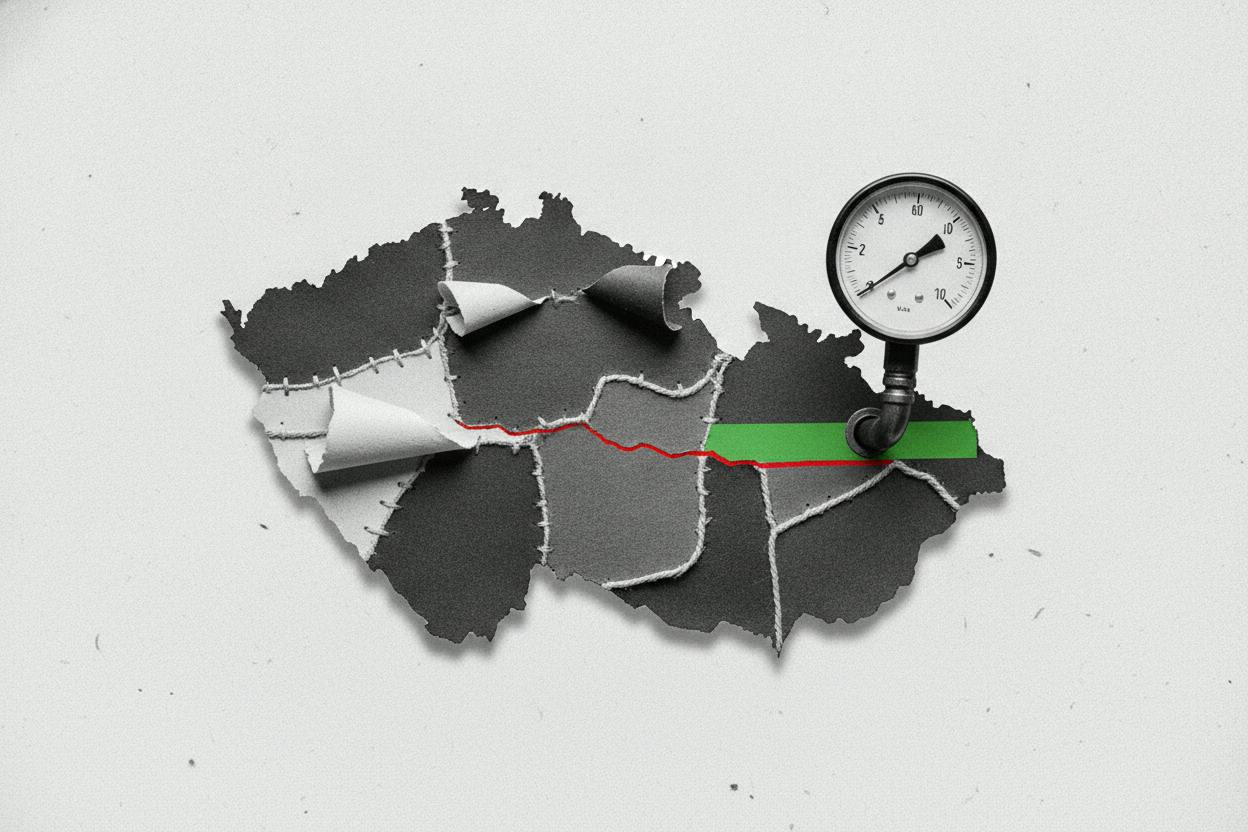
Central Europe's factories sent mixed signals in October, with Poland's manufacturing sector finally crawling back to the break-even line while the Czech Republic's looked outright healthy. But the rebound is far from uniform, and energy-driven cost pressures continue to squeeze margins across the region.
Purchasing managers' indexes (PMIs) are monthly surveys of factory activity, where a reading above 50 signals growth and anything below points to contraction. They are closely watched by investors as a timely gauge of economic momentum.
Poland back to 50, Czech Republic shines
Poland's S&P Global manufacturing PMI rose to 50.0 in October from 49.0 in September, according to Reuters, ending a long stretch below the growth threshold. The improvement was helped by better export orders, which had been a weak spot for months.
The Czech Republic's PMI climbed to 55.0 from 53.5, its strongest reading since February 2022. The survey pointed to stronger output, new orders, and hiring, suggesting the country's factory sector is gaining momentum.
But the picture is not consistent across the region. Hungary's PMI eased to 53.1 as order growth cooled, and Romania's fell to 48.7, with its survey warning that industrial output could shrink for a fourth straight year.
Energy costs remain the common headache
The shared thread across all these countries is inflation pressure. Firms in the region reported sharp cost increases tied to energy, with Poland's input prices rising for a 12th consecutive month. That squeezes profit margins even when demand is stabilizing, and it keeps the inflation debate alive for central banks.
This pattern is not unique to Central Europe. Ireland's factories also saw cost pressures return in October, and Australia's factory slump persisted as costs climbed. Even in Spain, where factory activity accelerated, the broader European picture remains uneven.
What it means for investors
For markets, the October PMIs are a mixed bag. Stronger readings in places like the Czech Republic can ease worries about growth, but persistent cost pressure keeps inflation in the conversation. When activity firms up at the same time companies say their inputs are getting pricier, markets often push back expectations for interest-rate cuts, because central banks may not want to ease policy too early.
That "higher-for-longer" repricing tends to show up first in government-bond yields, and it can also support currencies such as the Czech koruna and Polish zloty by keeping their interest-rate advantage intact. The split picture matters, though: the Czech market may react more to upside growth surprises, while Poland's assets could hinge on whether the PMI can stay above 50 as energy-linked costs keep biting.
For everyday investors, the key takeaway is that Central Europe's recovery is real but fragile. The region is not uniformly bouncing back, and the cost pressures that have been building for months are not going away quickly. That means central banks in the region are likely to stay cautious, and any hopes of rapid rate cuts may be premature.
Investors with exposure to European equities or bonds should watch the next few PMI releases closely. If the Czech Republic's strength spreads to its neighbours, that could be a positive sign for the region's growth outlook. But if energy costs keep rising, the squeeze on corporate margins could offset some of the gains from stronger demand.
As always, diversification remains a sensible strategy. The patchwork nature of this recovery is a reminder that not all economies move in lockstep, and that regional data can be just as important as global trends when assessing investment risk.