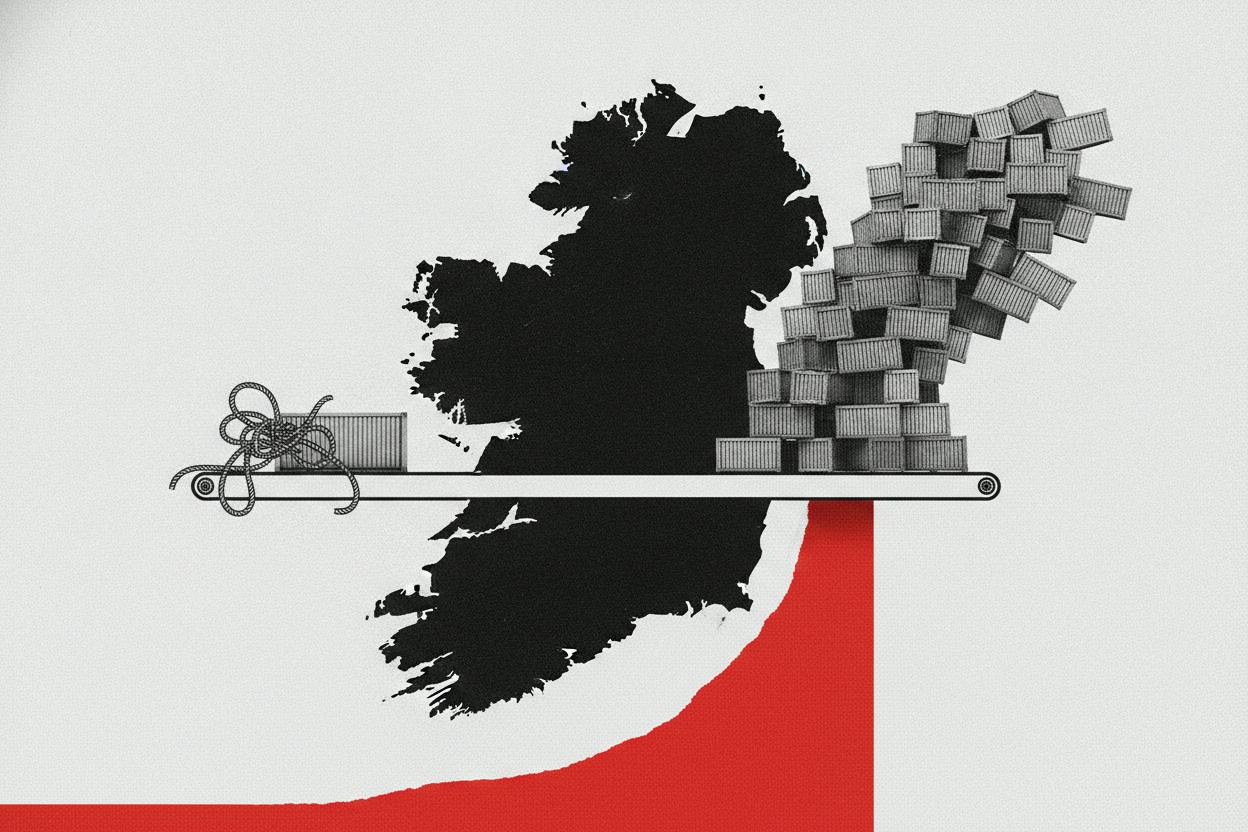
Ireland's manufacturing sector continued to expand in October, though at a slightly slower pace, as firms dealt with shipping delays and rising costs for energy and transport. The latest AIB Ireland Manufacturing PMI, a monthly survey of factory activity compiled by S&P Global, slipped to 55.2 from 55.5 in September. Any reading above 50 signals growth, so the sector remains firmly in expansion territory.
What the numbers show
The dip in the headline index was modest, but the details reveal a mixed picture. Output growth cooled from September's multi-year high, yet demand stayed resilient. New orders accelerated, exports grew for a ninth consecutive month, and manufacturers added staff to keep up with workloads. That suggests the underlying health of the sector is still solid, even if the pace of expansion has eased.
The bigger story, however, was on the cost side. Firms reported higher prices for energy and transport, and with shipping delays and tight transport capacity, many chose to build up safety stocks of raw materials. This precautionary buying added to demand for inputs and pushed input prices higher. In response, manufacturers raised their own selling prices, passing some of the burden on to customers.
This combination—solid demand but rising costs—is a familiar one for manufacturers globally. It echoes trends seen in other economies, such as South Korea's factory growth cooling and Australia's ongoing slump with climbing costs. Even where demand is strong, cost pressures are a recurring theme.
Why shipping delays matter
Shipping delays have become a persistent headache for manufacturers worldwide. Disruptions in global supply chains—whether from geopolitical tensions, port congestion, or capacity constraints—force companies to order earlier and hold more inventory. That 'safety stock' strategy helps protect against shortages, but it also ties up cash and adds to storage costs. More importantly, it can amplify demand for raw materials in the short term, pushing prices up further.
For Ireland, a small open economy heavily reliant on trade, these dynamics are especially relevant. The country's manufacturers export a significant share of their output, so any hiccup in shipping routes or rise in freight rates directly affects their bottom line. The fact that exports still grew in October is a positive sign, but it comes with the caveat that costs are climbing.
What it means for investors
For everyday investors, the key takeaway is that Ireland's manufacturing sector is still growing, which is supportive for the broader economy and for companies with exposure to Irish industry. A PMI above 50 indicates expansion, and the sustained growth in new orders and exports suggests demand remains healthy.
However, the uptick in cost pressures is worth watching. When manufacturers raise prices, it can feed into consumer inflation, which may influence central bank policy. If cost pressures persist, they could prompt the European Central Bank to keep interest rates higher for longer, affecting borrowing costs for households and businesses. This is a dynamic seen across the euro area, and it's one reason why investors track PMI data closely.
For those with investments in Irish or European manufacturing stocks, the combination of solid demand and rising costs is a double-edged sword. Companies that can pass on higher costs without losing customers may see their margins hold up, while those that can't could face pressure. It's also worth noting that similar cost dynamics are playing out elsewhere, as highlighted by China's factory activity slipping back into contraction and German state inflation cooling—a reminder that global supply chains and price trends are interconnected.
Looking ahead
The next few months will show whether the cost pressures are a temporary blip or a sustained trend. If shipping delays ease and energy prices stabilize, input costs could moderate, giving manufacturers some breathing room. On the other hand, if delays persist, firms may continue to build safety stocks, keeping demand for inputs elevated and prices firm.
For now, the Irish manufacturing sector remains in good shape, but the rising cost environment is a reminder that growth and inflation often go hand in hand. Investors should keep an eye on PMI readings and inflation data for signs of how these pressures evolve.