China's private manufacturing sector kept expanding in October, but the details of the latest survey suggest the health of the factory floor is less rosy than the headline number implies. S&P Global's purchasing managers' index (PMI) for Chinese manufacturers slipped to 52.0 from 52.1 in September, staying comfortably above the 50 mark that separates growth from contraction. Economists polled by Reuters had expected a slightly weaker reading, so the result came in a touch better than forecast.
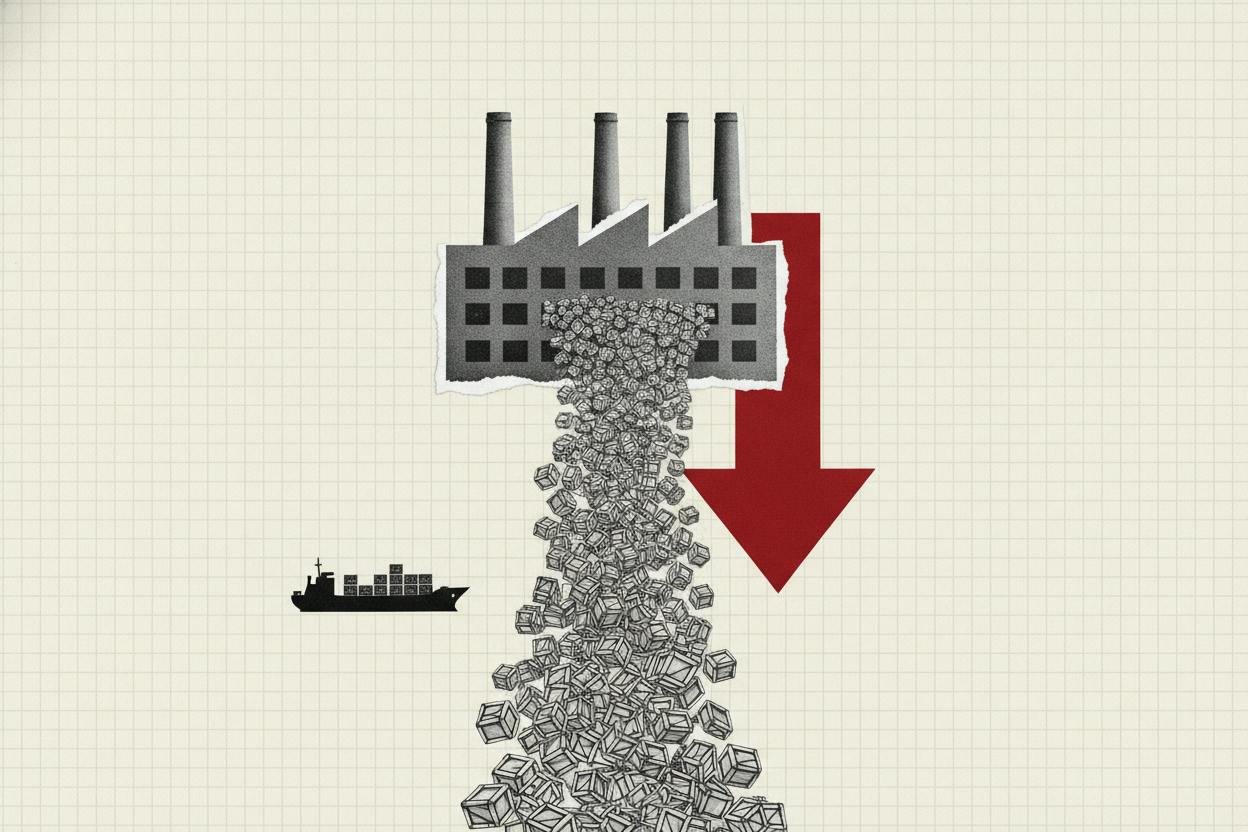
Yet beneath the surface, the mix shifted in ways that matter for investors. Output growth accelerated to its fastest pace in six months, and hiring ticked up again. But total new orders grew more slowly, and export orders cooled to a three-month low. That gap between rising production and softening demand is a classic sign that factories are producing more than the market is absorbing.
Backlogs of work increased for a ninth straight month, suggesting workloads are pressing against capacity. Business confidence, meanwhile, slipped to a nine-month low, even as the headline index stayed in growth territory. The divergence between what factories are doing and how their managers feel about the future is worth watching.
Prices point to tougher competition
The most telling signal in the October report may be prices. Input costs eased, but firms cut the prices they charge at the factory gate after a September increase. Export prices fell for the first time since November 2025. That combination usually points to intense competition and weaker pricing power.
Price cuts can be a sign of strength if they come from lower costs, but this report also flags competition. If manufacturers are keeping output high by discounting, they can end up selling more units while making less per unit, squeezing profit margins even as activity looks fine on the surface.
For investors, that is a warning on margins. Companies in this position often find that revenue holds up while profitability erodes, which can show up later in earnings reports. The fact that export prices are falling is particularly notable, because it suggests Chinese producers are competing aggressively for overseas orders.
What it means for global inflation and central banks
There is also a wider knock-on effect. If China's lower export prices stick, they can filter into other countries' import prices, either through cheaper finished goods or through less expensive components. That can put gentle downward pressure on the “goods” part of inflation readings abroad, which matters for how investors think central banks might set interest rates.
For everyday investors, this is a reminder that a single factory survey can have ripple effects far beyond one country. Cheaper Chinese goods can help keep inflation low in the US, Europe, and elsewhere, potentially influencing the pace of rate cuts or hikes. That, in turn, affects bond yields and stock valuations.
It's also worth noting that China's official PMI, released separately, painted a weaker picture than the private survey. The two gauges often diverge because they sample different groups of companies, but the gap here underscores the unevenness of the recovery.
What to watch next
Investors will be watching whether the cooling in export orders turns into a sustained trend, and whether price cuts start to show up in corporate earnings. The official factory gauge slipping into contraction in the same month adds to the mixed picture. Meanwhile, South Korea's factory growth cooled sharply, and Australia's factory slump persisted, suggesting the regional manufacturing landscape is uneven.
For now, the key takeaway is that China's factories are still growing, but the quality of that growth is deteriorating. Falling export prices and cooling demand are early warning signs that the easy gains may be over. Investors should keep an eye on how these trends evolve in the coming months, especially as they feed into global inflation and central bank policy.