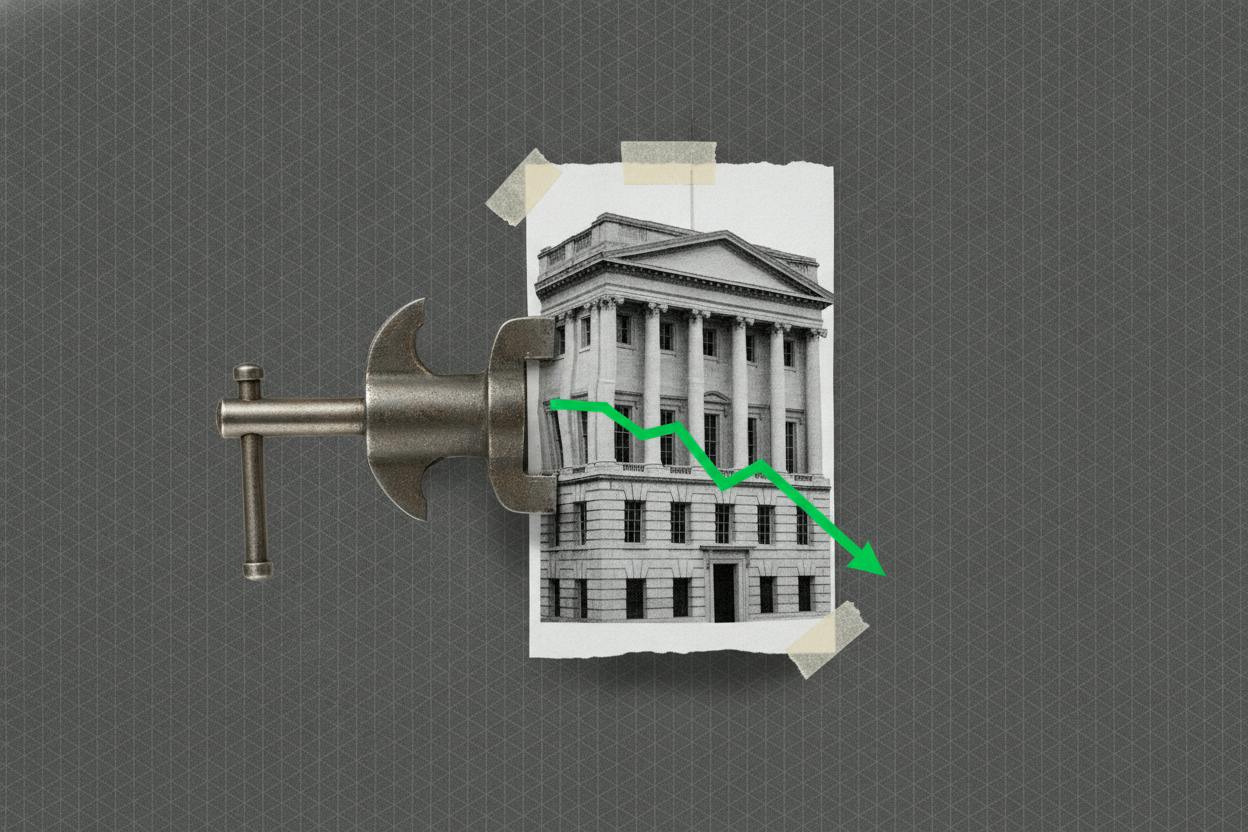
The Bank of England is widely expected to raise UK interest rates again on Thursday, taking Bank Rate from 3.75% to 4.0%. The move, if confirmed, would mark the latest step in the central bank's campaign to bring inflation down from its highest levels in decades.
According to a Reuters preview, economists polled by the news agency expect the Monetary Policy Committee (MPC) to vote for a quarter-point increase. The decision comes as policymakers wrestle with inflation that has proven more persistent than they initially hoped.
Why another hike?
The Bank's core job is to keep inflation at its 2% target. When prices rise too quickly, it raises interest rates to make borrowing more expensive and saving more attractive, which cools spending and, in theory, slows price growth.
But inflation in the UK has been slow to retreat. September consumer prices rose 3.5% year-on-year, according to the brief, which is higher than the Bank's own July forecast of 3.0%. That overshoot has reinforced the case for continued tightening.
Governor Andrew Bailey has been clear about the Bank's stance. He has said the Bank cannot wait for "conclusive proof" that higher prices are feeding into wages and company pricing before acting. That comment reflects a concern that inflation could become embedded in the economy, a scenario central banks want to avoid at all costs.
The debate has reportedly divided the MPC. In September, the committee voted 6-3 to hold rates steady, with a minority pushing for an increase. This time, the consensus appears to have shifted toward a hike, but the size of the majority will be closely watched.
What to watch in the announcement
Because a 4.0% Bank Rate is so widely expected, the market's attention will focus on what the Bank signals about the future path of rates. Specifically, investors will scrutinise the vote split, the accompanying statement, updated economic forecasts, and Governor Bailey's press conference.
Reuters notes that even policymakers seen as more focused on fighting inflation may avoid endorsing the market's current pricing, which implies another three to four quarter-point hikes over time. If the Bank pushes back against that, it could signal that the peak rate will be lower than markets have penciled in.
That would be significant. When a hike is fully priced in, the reaction usually comes from the guidance about what comes next. If the Bank signals it is nearing the end of its tightening cycle, traders may adjust their expectations for future policy.
What it means for investors
For everyday investors, the immediate impact of a 4.0% Bank Rate is less important than the signal about where rates are headed. The brief highlights that the key question is whether Bailey and his colleagues lean against market pricing for rates to reach 4.75%-5.0%.
If the Bank does push back, the effects could show up quickly in UK financial markets. Short-dated UK interest rate derivatives, such as SONIA futures, and 2-year government bond yields could fall if investors conclude the eventual peak will be lower. Sterling could also move, as a less aggressive rate path would narrow the UK's interest-rate advantage relative to other major economies.
For holders of UK gilts, a lower peak would generally be supportive of bond prices, since yields and prices move in opposite directions. For those with savings accounts, a lower peak would mean the recent run of rate increases may soon come to an end, capping the interest they can earn on cash deposits.
For mortgage holders, the direction of rates matters even more. Many UK mortgages are tied to the Bank Rate or to market expectations of it. If the Bank signals a lower peak, that could provide some relief for borrowers, though any reduction in rates is likely to be gradual.
It's worth remembering that central bank decisions are never certain, and the Bank could surprise. But as things stand, the consensus is for a hike to 4.0%, with the real drama in what comes after.
Investors will be listening closely for any hint that the Bank sees the peak rate as lower than markets have priced. That would be the kind of signal that moves markets.