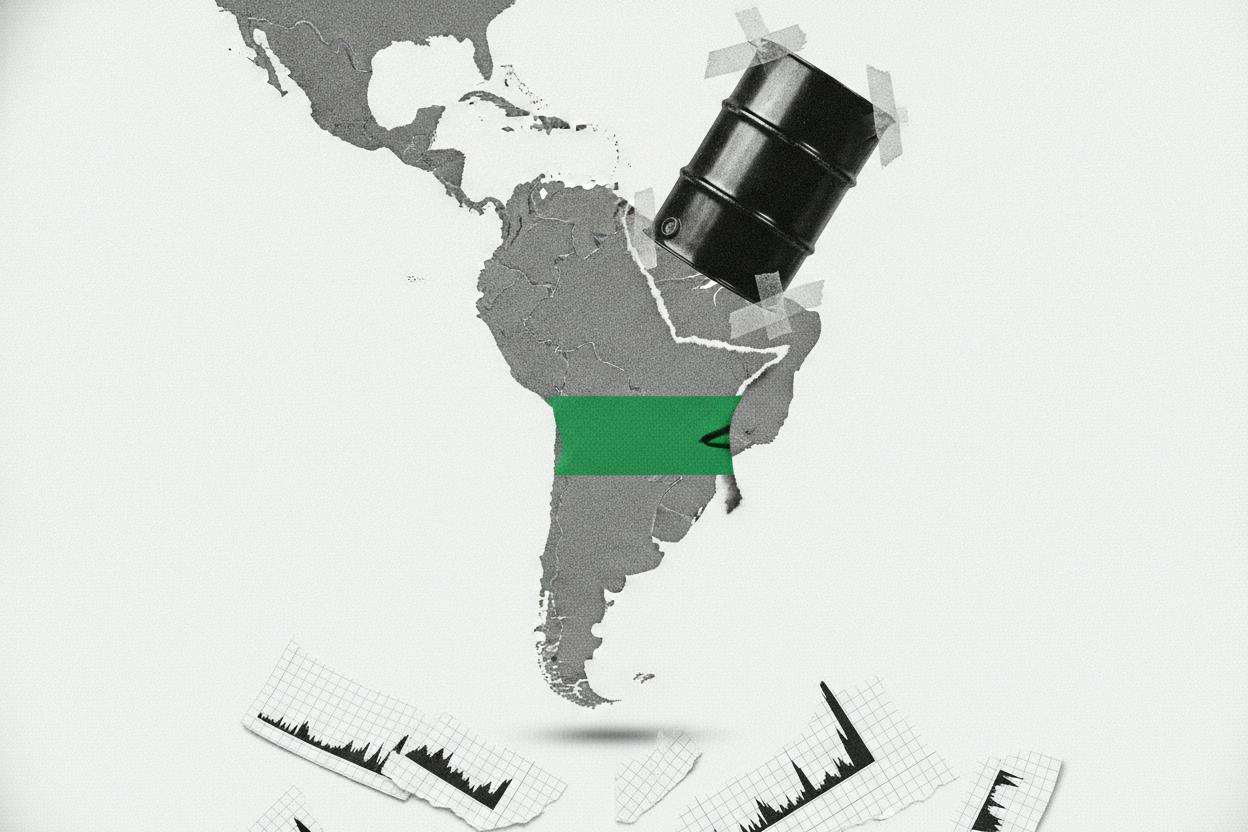
Latin American markets got a boost on Wednesday as oil prices slipped, easing concerns about import costs and inflation across the region. The move helped push MSCI's Latin America equity index to its highest level since mid-September 2014, a sign that investors are feeling more optimistic about the region's economic outlook.
The catalyst was a drop in Brent crude, the global benchmark. For many Latin American countries, oil is a major import and a key input for everything from fuel to plastics. When oil gets cheaper, it can quickly improve sentiment because it lowers the cost of doing business and helps keep inflation in check.
Why oil prices are falling
According to Reuters, the decline in oil prices was tied to rising exports from the Middle East and a decision by the Group of Seven (G7) to release emergency stockpiles. That move was designed to ease near-term supply worries, which had been keeping prices elevated.
For everyday investors, this is a reminder that oil prices are not just a headline number. They affect the cost of goods, the value of currencies, and the profitability of companies across many sectors. When oil falls, it can be a tailwind for economies that rely heavily on imports, like many in Latin America.
Brazil's real extends gains
Brazil's currency, the real, also continued to strengthen after the first round of the country's presidential election. Investors have been watching the vote closely, and the initial result appears to have calmed some nerves. A stronger currency can help attract foreign investment and reduce the cost of servicing dollar-denominated debt.
This is not the first time Latin American currencies have moved on global and domestic factors. Earlier this year, soft US jobs data lifted Latin American currencies, though Brazil's real slipped ahead of the vote. Now, with the election behind the first round, the real is finding support.
What it means for investors
For investors with exposure to Latin American stocks or currencies, the recent gains are a positive sign. But it's important to keep perspective. The region has been through many cycles, and oil prices can be volatile. The G7's stockpile release is a temporary measure, and Middle East tensions could flare up again.
Investors should also watch how the broader global economy is doing. Bond markets are weighing strong US growth, oil near $100, and a cautious Bank of Japan, which could influence capital flows to emerging markets. If US interest rates stay high, that could draw money away from riskier assets like Latin American equities.
On the other hand, if oil prices stay low, it could provide a cushion for the region's economies. That might help corporate earnings and support stock prices. But investors should be cautious about chasing short-term moves. The MSCI index hitting a multi-year high is notable, but it doesn't guarantee further gains.
Looking ahead
The next few weeks will be crucial for Brazil, as the second round of the election approaches. Political uncertainty can weigh on markets, but the initial reaction suggests investors are cautiously optimistic. Elsewhere in the region, commodity prices have been ticking up, as ANZ's index showed a 0.6% rise in September, which could also support export-driven economies.
For now, the combination of cheaper oil and a firmer real is a welcome relief for Latin American markets. But as always, investors should keep an eye on global developments, from oil supply dynamics to central bank policies, that could shift the picture quickly.