While bond yields are climbing in most major economies, China is moving in the opposite direction. The yield on China's 10-year government bond has slipped below 1.7%, leaving it more than 300 basis points below the comparable US Treasury yield. That gap is now the widest it has been since January last year.
For everyday investors, this divergence is more than a curiosity. It reflects two very different stories about the world's two largest economies—and it has real implications for anyone with money in global markets.
Why China's yields are falling
In most developed markets, higher bond yields are a sign that investors are demanding more compensation for lending to governments, often because of inflation or heavy borrowing. But China's bond market is not behaving that way. Instead of punishing the government with higher yields, investors are accepting lower returns.
Part of the reason is that China's official government debt looks manageable. According to the source, official debt is around 75% of the economy this year. However, the International Monetary Fund's broader measure—which includes borrowings by local government financing vehicles and other off-balance-sheet entities—puts the figure higher. That broader debt load is a concern, but it hasn't pushed yields up.
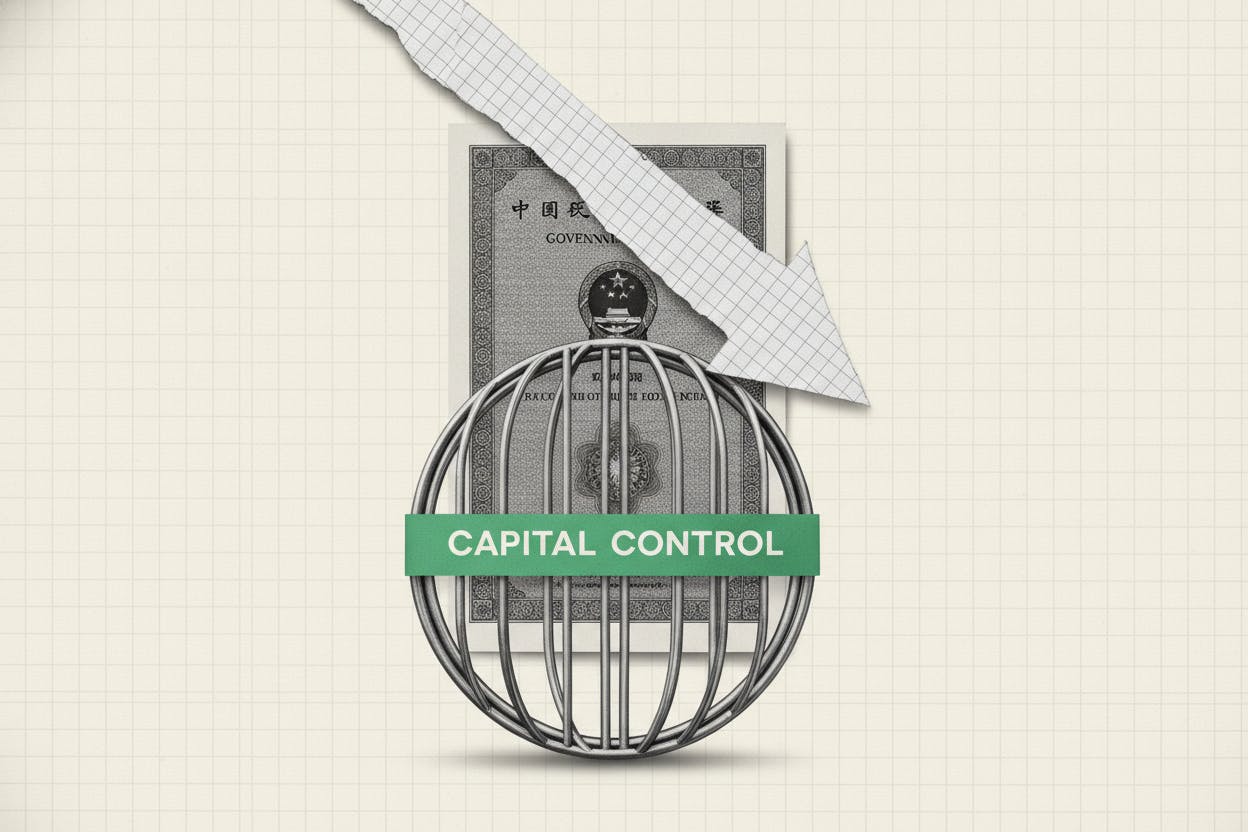
Why not? Two forces are at work. First, capital controls make it difficult for Chinese savers to move money abroad. Second, there are few safe alternatives within China. With the stock market struggling and property sector still weak, government bonds remain the default parking spot for savings. That steady demand keeps prices high and yields low.
This is a stark contrast to the US, where the 10-year Treasury yield has been climbing. The gap between the two yields is now the widest since January last year, a sign that investors see very different risks and opportunities in each market.
What it means for investors
For global investors, the widening gap between Chinese and US yields has several implications.
- Currency pressure: Lower yields in China make its currency less attractive to yield-seeking investors. That could keep pressure on the yuan, especially as the dollar strengthens.
- Portfolio diversification: Chinese bonds have become a popular diversifier for global portfolios, but their low yields mean they offer little income. Investors may need to weigh that against the potential for capital gains if yields fall further.
- Global inflation and rate expectations: The rise in US and other developed-market yields is partly driven by inflation fears and expectations of tighter monetary policy. China's low yields suggest its central bank is in a different position, with more room to ease policy if needed.
The divergence also highlights a broader theme: while the West is dealing with rising yields and inflation, China is facing its own set of challenges, including a sluggish property market and weak consumer confidence. That's why Chinese stocks have been sliding even as bond yields fall.
The bigger picture
This isn't just a China story. Around the world, bond yields have been climbing as oil prices top $95 and inflation fears resurface. German yields hit a 2011 high, and UK gilt yields reached an 18-year high. Even gold has slipped as higher yields make non-yielding assets less attractive.
China's bond market is the outlier. While the rest of the world worries about inflation and central bank tightening, China's yields are falling because of domestic factors. That divergence is unlikely to resolve quickly, and it will continue to shape global capital flows.
For ordinary investors, the key takeaway is that bond yields are not moving in sync. That means diversification across countries and asset classes is more important than ever. But as always, it's not about making a single bet—it's about understanding the forces at play and how they might affect your portfolio.