China's central bank has been busy. With the price of gold falling 6% over the past month, it bought about 23 metric tons of the metal in September — its biggest monthly haul in three years. The move is a clear signal that Beijing sees the dip as a bargain, and it's part of a broader trend among emerging-market central banks that have been steadily adding gold to their reserves.
These banks aren't just chasing shiny objects. For years, they've been trying to reduce their reliance on US government bonds and the dollar. Gold doesn't pay interest like bonds do, but it offers something else: diversification. By holding gold, central banks can protect themselves against currency swings and geopolitical risks. It's a long-term play, not a short-term income strategy.
Why gold is losing its shine
The recent drop in gold prices isn't happening in a vacuum. The US Federal Reserve has been raising interest rates to fight inflation, which makes US bonds and savings accounts more attractive because they offer higher yields. Gold, which pays no income, becomes less appealing by comparison. As a result, bond yields have soared, and gold has slipped about 3.5% this year.
For everyday investors, this dynamic is worth understanding. When interest rates rise, the opportunity cost of holding gold increases — you're giving up potential returns from interest-bearing assets. That's why gold often struggles in a high-rate environment. But central bank buying can provide a floor under the price, as we're seeing now.
Some analysts see the recent price weakness as an opportunity. For example, one portfolio manager trimmed a gold miners ETF position back in August when gold was trading around $100 per share, but has now increased it back to a full position at $89, betting on a potential turnaround. The logic: if global yields fall, gold prices could rebound. Even if they don't, China's buying spree could support the metal.
Amazon's $7 billion bet on AI chips
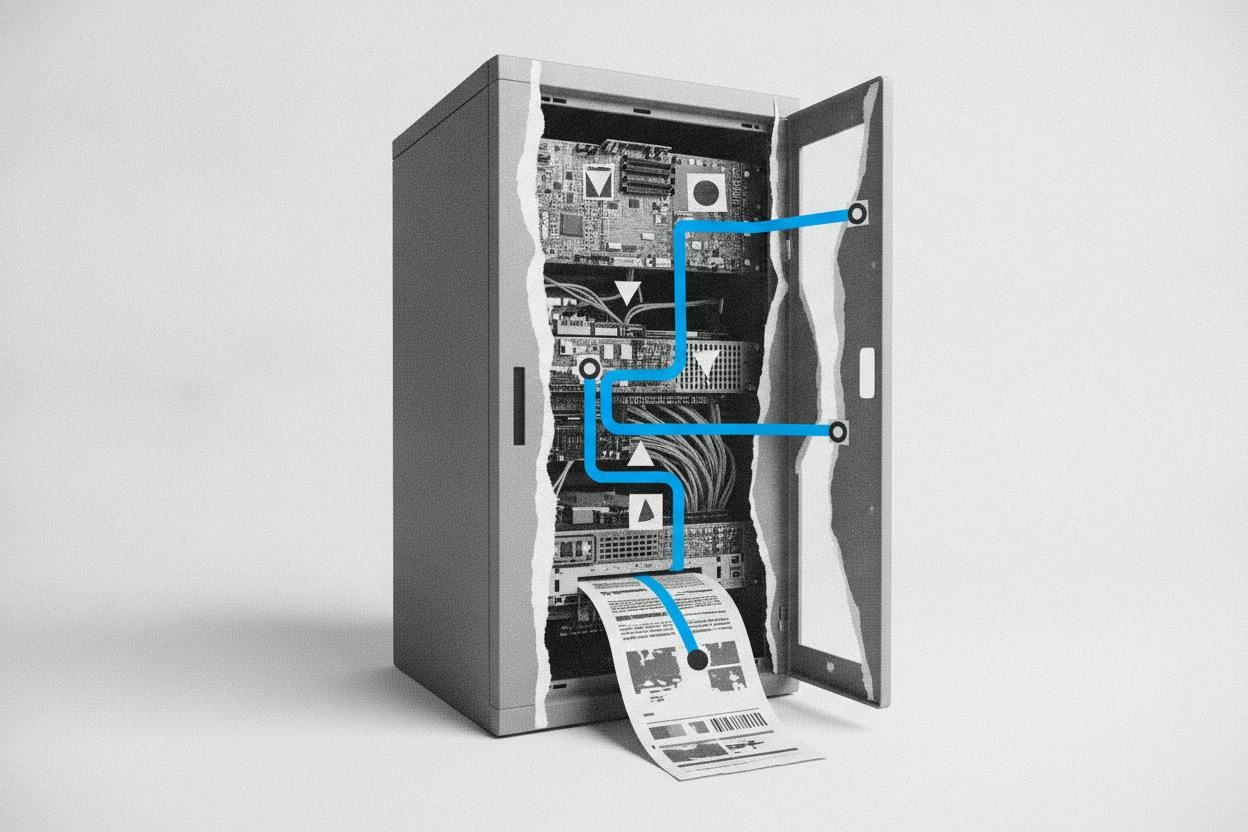
In a separate development, Amazon is reportedly in talks to buy AI startup Decart for around $7 billion. Decart makes software that helps developers get more out of AI chips and switch between different ones more easily. That's trickier than it sounds. AI models are usually designed to run on specific chips, so swapping to another can involve a lot of engineering work. Decart's software does the heavy lifting.
This could be a game-changer for Amazon, which has been pushing its own Trainium3 chip. It's cheaper than Nvidia's offerings and has been gaining traction, with customers like Anthropic and OpenAI using it. But the challenge has always been that AI software is often custom-written for Nvidia's technology, making it hard for customers to switch. Decart's software could remove that barrier.
What it means for Nvidia
Nvidia makes some of the world's most powerful AI chips, but performance isn't the only reason customers stick around. Much of the software powering AI is optimized for Nvidia's hardware, so leaving is expensive and time-consuming. Decart's software could change that, giving customers more flexibility to shop around or negotiate better prices. That could be bad news for Nvidia — which, awkwardly enough, is one of Decart's investors.
Easier switching could also help ease AI's computing bottleneck. If one supplier can't meet demand, developers can go elsewhere. Nvidia still dominates advanced AI chips, but rivals are gaining ground, and some offer lower running costs. Those savings look even sweeter when switching doesn't eat them up.
The bigger picture for tech giants
Amazon, Google, Microsoft, and Meta are Nvidia's biggest customers, but they're also developing their own AI chips. These in-house chips can be cheaper to run for certain tasks, giving the tech giants a way to cut costs and reduce their reliance on Nvidia. By one estimate, shipments of in-house chips are growing nearly three times as fast as off-the-shelf AI chips — good news for firms like Broadcom that help design them.
For investors, this is a story about competition and cost. If Amazon's deal with Decart goes through, it could accelerate the shift away from Nvidia's dominance. That might be a headwind for Nvidia's stock, but it could also benefit companies that make switching easier or design alternative chips. As always, it's important to watch how these dynamics play out.
What it means for your money
For everyday investors, the gold story is a reminder that central bank actions can move markets. China's buying spree could support gold prices, but it's not a guarantee. If you're considering gold as a hedge, it's worth understanding the role of interest rates and the dollar.
As for the Amazon-Decart deal, it's still in the works, and deals can fall through. But if it happens, it could reshape the AI chip landscape. For investors in tech stocks, it's a sign that the race for AI dominance is far from over — and that even the biggest players are looking for ways to cut costs and gain an edge.