China's memory chipmaker CXMT (ChangXin Memory Technologies) announced that it has started mass production of its fifth-generation DRAM, a key step in the country's push to build a more self-sufficient semiconductor industry. The new chips are built on an 11.95-nanometer manufacturing platform and are used to produce 24-gigabit LPDDR5X memory for smartphones.
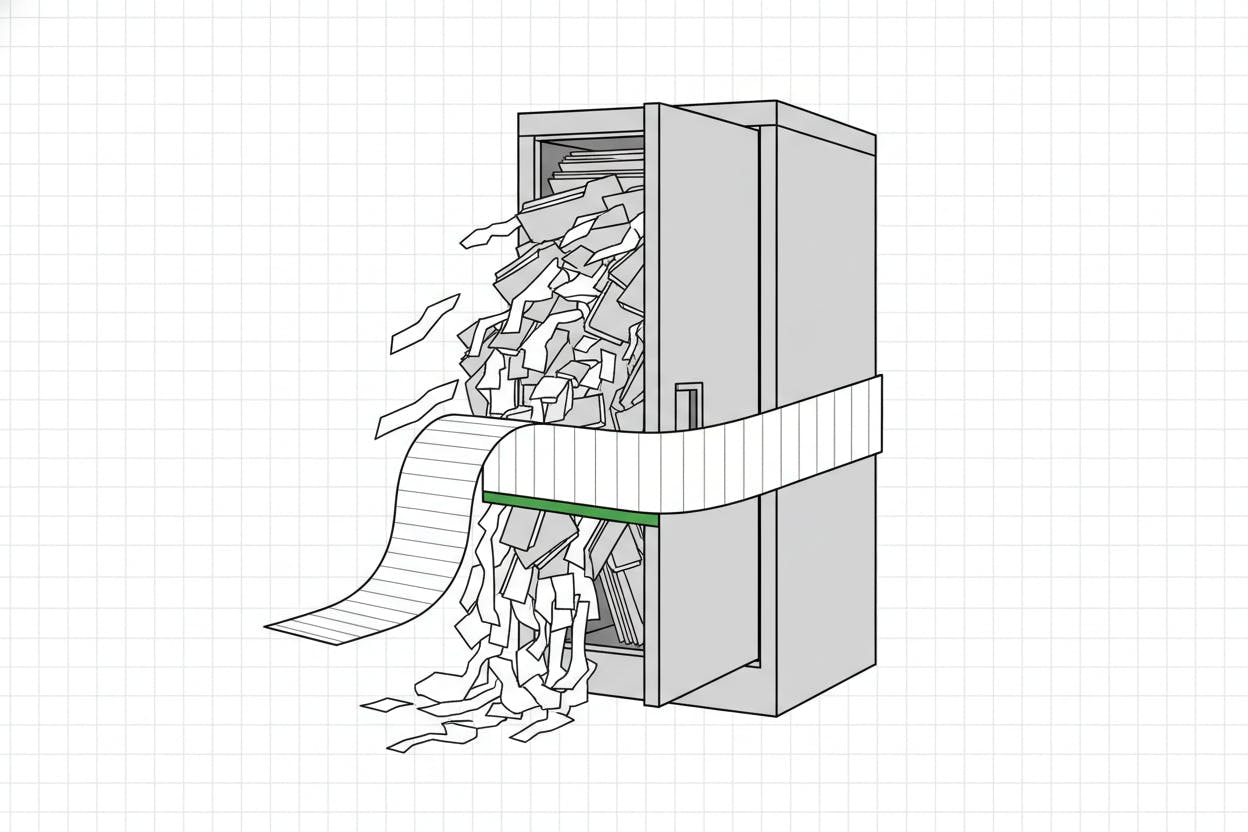
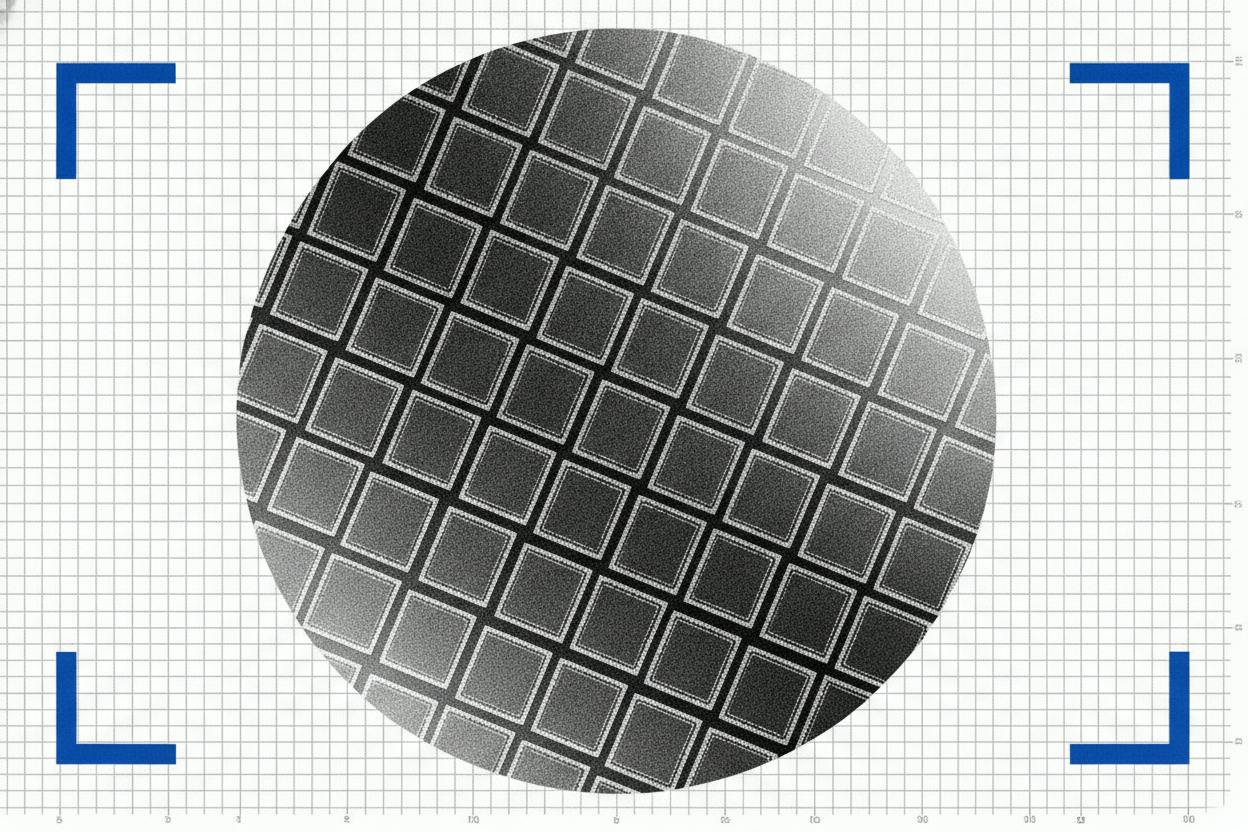
DRAM, or dynamic random-access memory, is the short-term "working" memory that phones, computers, and servers rely on to keep applications running smoothly. LPDDR5X is a low-power version commonly found in high-end mobile devices. CXMT, based in Hefei, says its new process uses a technique called "quadruple patterning," which splits a single circuit layer into multiple, more precise steps to achieve finer detail. This allows the company to fit at least 50% more gross chip dies on each silicon wafer compared with its previous generation.
Why this matters for the chip industry
CXMT is one of China's leading memory makers, and its progress is closely watched as Beijing seeks to reduce reliance on foreign suppliers like Samsung, SK Hynix, and Micron. The company's new 11.95-nanometer node is a significant technical achievement, though it still trails the most advanced nodes used by global leaders, which are now below 10 nanometers. Still, the ability to produce more chips per wafer could help CXMT lower costs and compete more effectively in the memory market.
The announcement comes amid broader tensions in the tech sector. The recent China-US summit highlighted ongoing friction over technology and trade, with AI and semiconductor export controls high on the agenda. For investors, CXMT's progress is a reminder that Chinese chipmakers are making headway despite restrictions on advanced equipment and materials.
What it means for investors
For everyday investors, this news is less about a specific stock pick and more about the competitive landscape in memory chips. DRAM prices have been volatile in recent years, swinging between shortages and gluts. If CXMT can ramp up production efficiently, it could add supply to the global market, potentially pressuring prices. That would be a headwind for established players like Samsung and Micron, but a positive for consumers and device makers who benefit from lower memory costs.
It's also a signal of China's broader ambitions in semiconductors. The country has been investing heavily in domestic chip production, and CXMT's progress is part of that trend. However, investors should be cautious about reading too much into a single announcement. Mass production is one thing; achieving high yields and consistent quality is another. The "gross die" figure of at least 50% more per wafer counts every potential chip shape, not just the ones that pass quality tests.
For those watching the sector, the key metrics to track are CXMT's actual output volumes, yield rates, and whether it can secure enough advanced equipment to sustain production. The company's ability to scale will determine how much impact it has on the global memory market.
Broader context
CXMT's announcement also fits into a larger story of Chinese companies advancing in technology despite geopolitical headwinds. From rising copper demand to consolidation in rare earths, China is making strategic moves across critical industries. In autos, for example, Volkswagen's struggles in China highlight the competitive pressure local firms are putting on global players.
For investors, the takeaway is that China's tech self-sufficiency drive is real and progressing, but it comes with risks. Export controls and supply chain disruptions could slow CXMT's ramp-up. At the same time, any success could reshape the memory chip market, affecting prices and the fortunes of established companies.
As always, it's wise to keep an eye on the bigger picture. The memory chip market is cyclical, and technological leaps like this one can accelerate shifts in market share. Whether CXMT becomes a major global player remains to be seen, but its latest milestone is a clear sign that the race is far from over.