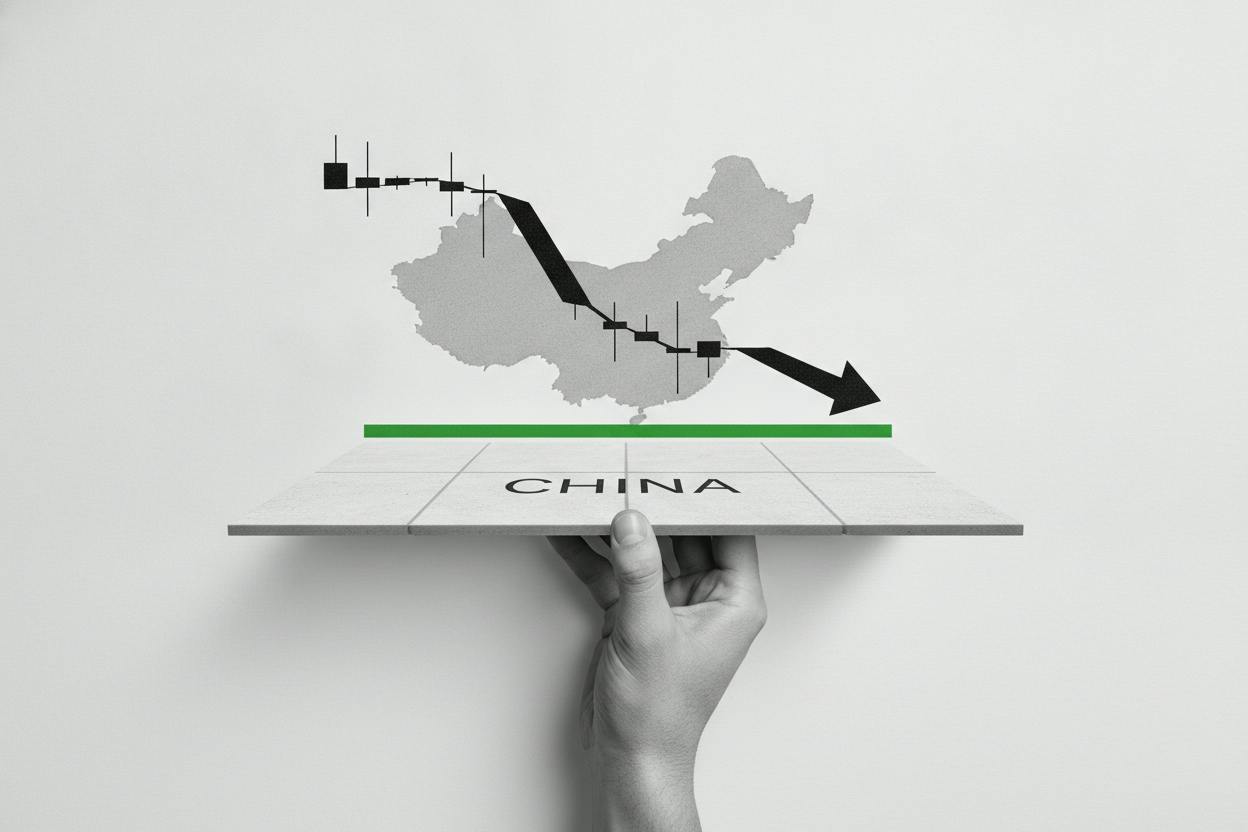
Chinese stocks staged a powerful rebound on [day] after Beijing signaled it would strengthen its state-backed "national team" of market stabilizers. The Shanghai Composite rose about 3.3%, while the STAR semiconductor index surged 15% and Hong Kong's tech index climbed 6%. The move marks a sharp reversal from a prolonged slump that had left shares near 17-month lows.
The "national team" is shorthand for state-linked funds that Beijing can deploy to buy shares or support key exchange-traded funds (ETFs) when markets falter. By stepping in, these funds aim to prevent a selloff from snowballing into a broader crisis of confidence. The signal alone can be enough to steady sentiment, as investors interpret it as a sign that policymakers are unwilling to let stocks fall much further.
Why the bounce was so sharp
The outsized gains in the STAR index and Hong Kong tech reflect the market's riskiest, most volatile corners. These high-beta areas—where prices swing more than the overall market—tend to react most dramatically to any hint of a policy backstop. When investors believe there's a floor under stocks, they demand less compensation for holding riskier assets, which can quickly reprice shares higher.
The rally also put pressure on short-sellers, who had been betting on further declines. As prices rose, many were forced to buy back shares to cover their positions, adding fuel to the upward move. This dynamic can make rebounds feel front-loaded, with the biggest gains happening in the first hours or days.
The yuan also firmed against the dollar, a sign that the market read the news as supportive for China's broader financial stability. A stronger currency can help attract foreign investment and ease concerns about capital outflows.
What it means for investors
For everyday investors, the key takeaway is that policy signals can move markets quickly, but they don't change the underlying fundamentals. Several strategists quoted by Reuters warned that the durability of any rebound depends on the real economy: consumer confidence, domestic demand, and whether exports continue to face barriers and restrictions.
If Beijing's support translates into better corporate earnings and stronger economic data, the rally could have legs. But if follow-through policies fail to boost growth, the market could give back some of its gains once the initial relief trade fades. History shows that state-backed buying can create a temporary floor, but it rarely sustains a prolonged bull market on its own.
For those with exposure to Chinese equities—through index funds, ETFs, or individual stocks—it's worth watching whether the government announces concrete measures beyond verbal support. Also keep an eye on upcoming economic data, such as factory activity and retail sales, to gauge whether the real economy is improving.
Related reading: China's factory profits jumped in October, but gains were uneven, and iron ore prices have slid as steel demand cools—both signs of the mixed economic picture.
Investors should also consider the broader global context. Global stocks rose recently as new US tariffs looked more limited than feared, but trade tensions remain a key risk for China's export-driven economy. And China's central bank kept buying gold through October's price slide, suggesting continued diversification away from dollar assets.
The bottom line
Beijing's latest signal is a reminder that policy can be a powerful short-term driver. But for long-term investors, the focus should remain on fundamentals: earnings growth, consumer spending, and the health of the property sector. The "national team" can cushion falls, but it can't replace a genuine economic recovery.
As always, avoid making impulsive decisions based on a single day's move. If you're invested in Chinese markets, consider whether your portfolio already reflects the risks and opportunities, and stay informed about policy developments and economic data in the weeks ahead.