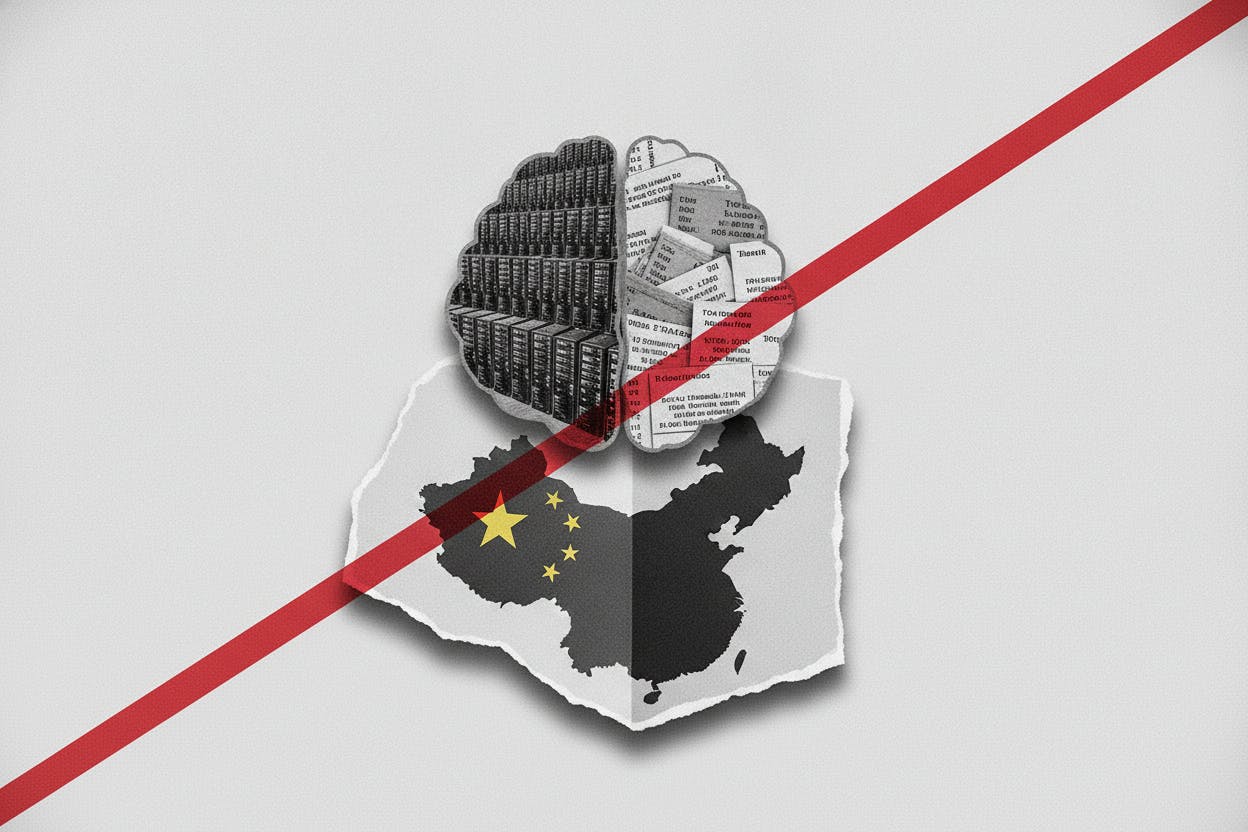
Chinese artificial intelligence company Z.ai, also known as Zhipu AI, has announced plans for a dual listing in Shanghai to raise capital for its push toward artificial general intelligence (AGI). The move comes after the company's open-source GLM-5.2 model performed near the top of public benchmarks, rivaling leading US systems at a fraction of the operating cost.
What Happened
Z.ai said this month it intends to list shares on Shanghai's stock exchange, adding to its existing Hong Kong listing. The company did not specify how much it aims to raise, but Reuters reported that its Hong Kong-listed shares have surged more than 2,000% since January, pushing its market value above HK$1 trillion (about $128 billion).
The company's pitch to investors rests on two key points. First, capability: independent trackers rank GLM-5.2 near the top for general performance and coding tasks, supporting Z.ai's argument that open-source models—which share their code publicly—can compete with proprietary "closed" systems from US leaders like OpenAI and Google.
Second, resilience: after tighter US export controls on advanced Nvidia chips, Z.ai adapted its systems to run on domestic hardware, including clusters of Huawei's Ascend chips. That ability to operate without cutting-edge US semiconductors is a major selling point for Chinese investors and customers seeking reliable, locally sourced AI supply chains.
Why a Shanghai Listing Matters
A mainland listing would give Z.ai access to a deep pool of onshore capital. Chinese investors behind capital controls often pile into locally listed tech names, sometimes supporting higher valuations than in Hong Kong. If Z.ai issues Shanghai-listed shares, it would create a new source of demand and more freely tradable shares, with traders comparing prices across both venues.
The upshot: onshore valuations could carry more weight in determining Z.ai's overall market price, even if overseas risk appetite cools. And because Z.ai is now a bellwether for "China AI," that pricing bar can spill over into how other Chinese AI companies are valued in public markets.
This development comes amid broader momentum for Chinese tech stocks, which got a boost from Micron's $22 billion AI investment signal earlier this year. The semiconductor maker's massive spending plan lifted sentiment across the sector, highlighting the global race for AI infrastructure.
What It Means for Investors
For everyday investors, Z.ai's Shanghai listing plan underscores a few key themes. First, the AI race is increasingly a two-player game between the US and China, with Chinese companies finding ways to compete despite chip restrictions. Second, open-source models are gaining credibility as viable alternatives to proprietary systems, which could reshape the competitive landscape.
Z.ai's ability to run on domestic chips also highlights the growing importance of local supply chains. Companies that can operate independently of US export controls may attract premium valuations from investors who see geopolitical risk as a key factor.
However, investors should note that Z.ai's current valuation—over HK$1 trillion—reflects enormous expectations. The stock's 2,000% surge since January suggests much of the good news may already be priced in. A Shanghai listing could add liquidity and potentially support the valuation, but it also introduces new risks, including regulatory scrutiny and the challenge of sustaining growth in a hypercompetitive field.
For context, other Chinese companies have pursued dual listings to tap mainland demand. The strategy can work well when onshore investors are enthusiastic about a sector, but it also means that any disappointment in performance could hit both listings simultaneously.
Looking Ahead
Z.ai's next steps will be closely watched. The company needs to demonstrate that GLM-5.2's benchmark performance translates into real-world applications and revenue. It also faces the challenge of keeping pace with rapid improvements from US rivals, who continue to pour billions into model development.
The broader market will also be watching for signs of how Chinese regulators treat AI companies seeking public funding. A successful Shanghai listing for Z.ai could open the door for other Chinese AI startups to follow suit, potentially creating a new wave of tech IPOs on the mainland.
For now, Z.ai's story is one of technical achievement and strategic positioning. The company has shown that open-source models can compete with the best, and that Chinese AI can thrive despite chip restrictions. Whether that translates into sustainable shareholder value is the question that will define its next chapter.