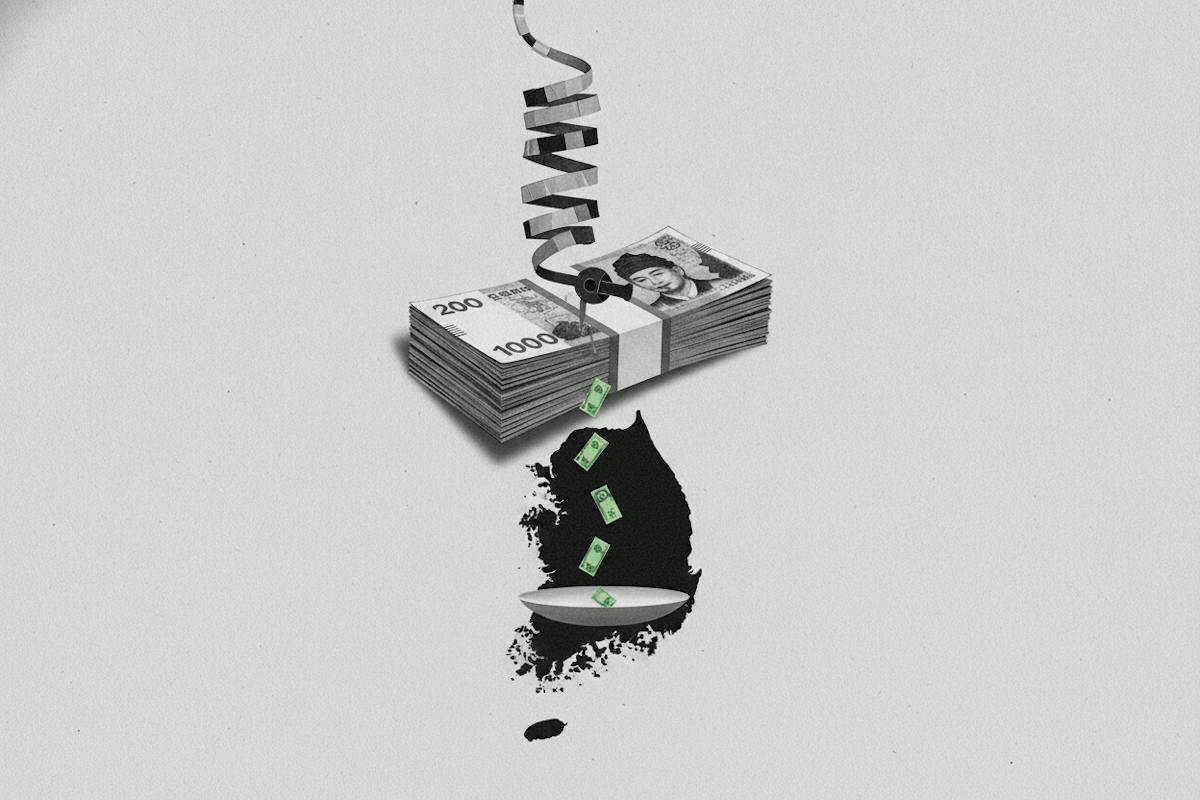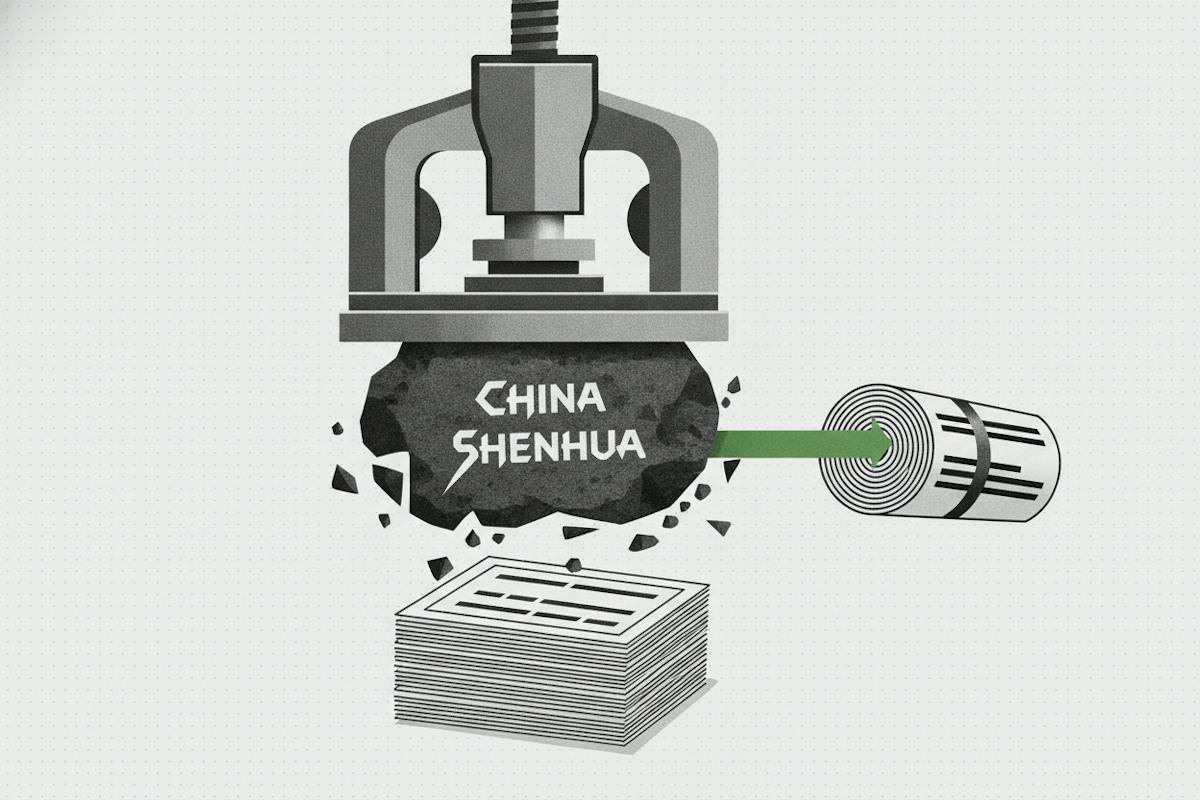
China Shenhua Energy, one of the world's largest coal producers, has raised HK$6.74 billion (about $860 million) by selling new shares on the Hong Kong stock exchange. The company priced the offering at HK$38.10 per share, a 7.7% discount to Thursday's closing price of HK$41.28. In a filing on Friday, China Shenhua said it would use roughly 90% of the proceeds to repay debt owed in mainland China, with the remainder earmarked for general corporate purposes.
The move is a classic example of a company tapping equity markets to strengthen its balance sheet rather than to fund expansion. By selling new shares, China Shenhua is raising cash without taking on additional borrowing. The discount to the market price is typical for such placements, as investors demand a lower entry price to compensate for the dilution of existing shares.
Why is China Shenhua selling shares?
China Shenhua is a state-controlled coal giant, with operations spanning coal mining, power generation, and railway and port logistics. Like many Chinese industrial firms, it carries significant debt, much of it in the form of loans from mainland banks. By using the proceeds to repay that debt, the company reduces its interest costs and improves its financial flexibility.
The decision to sell shares rather than issue bonds or take out new loans may reflect a desire to lower leverage without adding to its debt burden. For a company in a cyclical industry like coal, a stronger balance sheet can provide a cushion against volatile commodity prices. The move also signals to investors that management is focused on financial discipline rather than aggressive expansion.
It's worth noting that the new shares represent only about 0.82% of the company's existing share count, so the dilution to current shareholders is minimal. Still, the discount means that new investors are getting a slightly better price than those who bought on the open market just a day earlier.
What does this mean for investors?
For everyday investors, the key takeaway is that China Shenhua is using the equity market to pay down debt, which is generally seen as a prudent move. Reducing debt can lower financial risk and free up cash flow for dividends or future investments. However, the share sale also means that existing shareholders' stakes are slightly diluted, and the discount could put short-term pressure on the stock price.
Investors should also consider the broader context. China's coal sector has been under scrutiny as the country pushes toward cleaner energy sources. While coal remains a major part of China's energy mix, the long-term outlook for the industry is uncertain. Companies like China Shenhua are increasingly focused on efficiency and debt reduction to navigate this transition.
The company's decision to raise capital in Hong Kong, rather than on the mainland, is also notable. Hong Kong's stock exchange has been a popular venue for Chinese companies to raise funds, especially those looking to tap international investors. This placement follows a pattern of Chinese firms using Hong Kong listings to access global capital markets.
For those watching the broader market, this deal is a reminder that equity issuance can be a tool for balance-sheet management, not just for funding growth. It also highlights the ongoing financial strategies of China's state-owned enterprises, which often prioritize stability and debt reduction over aggressive expansion.
Looking ahead
Investors will be watching to see how China Shenhua uses the remaining 10% of the proceeds and whether the company will continue to reduce its debt load in the coming quarters. The success of this placement may also encourage other Chinese companies to consider similar moves, especially if they face high borrowing costs or want to strengthen their financial positions.
For now, the share sale appears to be a well-executed financial maneuver that should help China Shenhua lower its debt and improve its financial health. While the discount may cause some short-term share price weakness, the long-term benefits of a stronger balance sheet could outweigh the immediate costs.