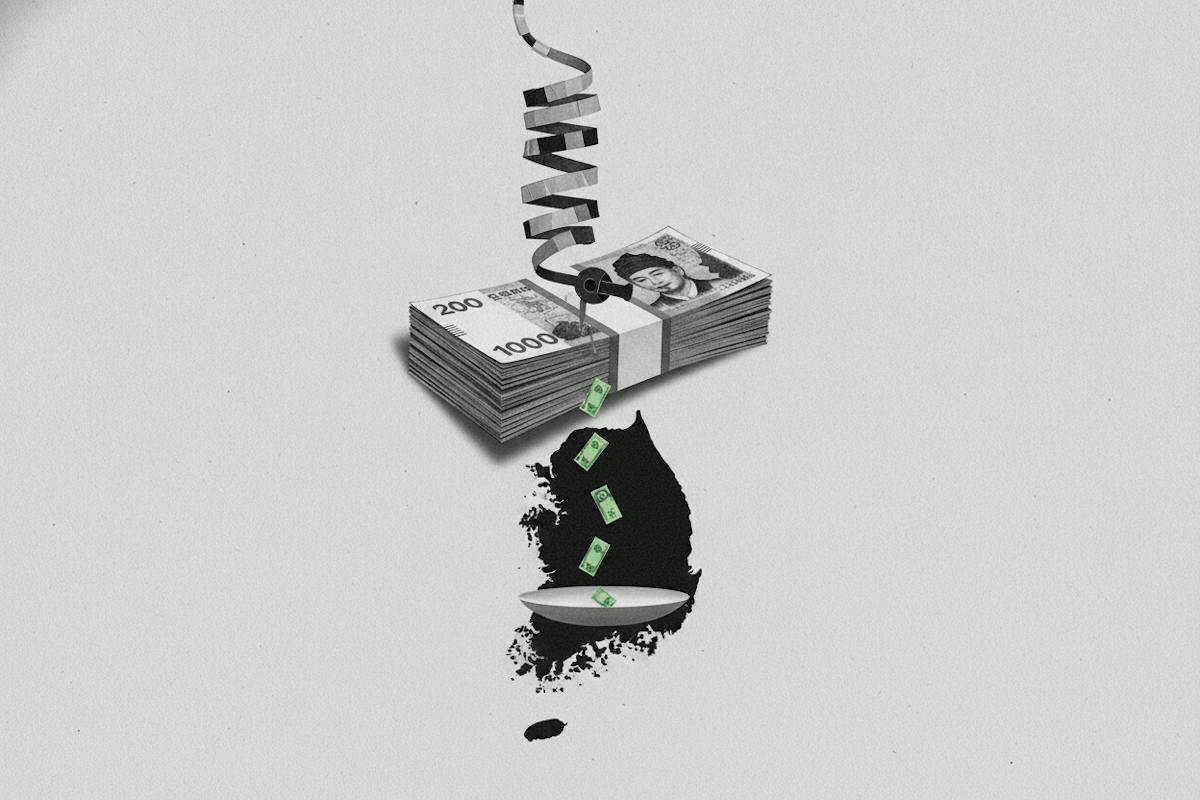
Mirae Asset Group Chairman Park Hyeon-joo has called on South Korea to dramatically expand its stock market stabilization fund to at least 100 trillion won (roughly $75 billion), arguing that the recent sharp drop in the Kospi index signals a liquidity crunch rather than a fundamental economic collapse. In an interview with Maeil Business, Park said the fund's current commitments of 10.76 trillion won are insufficient to calm markets and proposed staged capital injections to build a larger safety net.
The Kospi, South Korea's main stock index, fell 6.16% in a single session, a move that rattled retail investors and raised concerns about forced selling and margin calls. Park's comments come as policymakers and financial institutions debate how to respond to heightened volatility in Asian markets, which have been pressured by global interest rate hikes and trade tensions.
What is a market stabilization fund?
A market stabilization fund is a pool of money, typically funded by the government, state-run banks, and major financial institutions, that steps in to buy stocks or provide liquidity during periods of extreme market stress. The goal is to prevent panic selling from spiraling into a broader financial crisis by supporting asset prices and ensuring that companies and investors can access capital.
South Korea has used such funds before, notably during the 2008 global financial crisis and the 2020 COVID-19 market turmoil. In those episodes, the funds helped restore confidence, though their effectiveness is debated. Critics argue that they can distort markets and delay necessary corrections, while supporters say they are essential to prevent systemic risk.
The current fund, with commitments of 10.76 trillion won, was activated in response to recent market declines. However, Park's proposal would increase that figure nearly tenfold, signaling that he believes the current backstop is too small to handle the scale of selling pressure.
Why the Kospi's drop matters
The Kospi's 6.16% decline is one of the largest single-day drops in recent years. Such moves often trigger automatic selling by leveraged investors, who must meet margin requirements, and can lead to a cascade of further declines. Park's characterization of the drop as a "liquidity crunch" suggests that the problem is not that companies are fundamentally weak, but that there is a shortage of buyers willing to step in.
This distinction is important for everyday investors. If the decline is driven by liquidity issues, it may be temporary and could reverse once confidence returns. If it reflects deeper economic problems, such as slowing growth or corporate earnings deterioration, the recovery could take much longer.
South Korea's economy is heavily reliant on exports, particularly semiconductors and automobiles. Global demand for these products has been volatile, and the Bank of Korea has been raising interest rates to combat inflation, which can weigh on corporate profits and stock valuations. The central bank recently raised its benchmark rate to 3.25%, a move that has contributed to market jitters.
What it means for investors
For ordinary investors, the debate over the stabilization fund is a reminder that government policy can have a direct impact on stock prices. If South Korea expands the fund, it could provide a floor under the market and reduce the risk of further sharp declines. However, it is not a guaranteed fix, and investors should be cautious about expecting immediate relief.
Park's call for staged capital injections suggests that any expansion would be gradual, allowing authorities to gauge market conditions before committing more money. This approach could help avoid overspending, but it also means that the support may not arrive all at once.
Investors should also consider that stabilization funds are not a substitute for sound investment fundamentals. While they can cushion short-term volatility, they do not change the underlying earnings power of companies. Long-term investors should focus on the health of the businesses they own, rather than trying to time the market based on policy announcements.
The Kospi's drop and the response from officials will be closely watched in the coming days. Market participants will look for signs that the government is willing to act decisively, as well as for any further economic data that could influence the central bank's rate path. For now, the situation remains fluid, and investors should stay informed but avoid making hasty decisions based on a single day's move.
Related coverage: Kospi jumps on talk of a bigger backstop and Bank of Korea's rate hike provide additional context on the market's reaction and monetary policy.