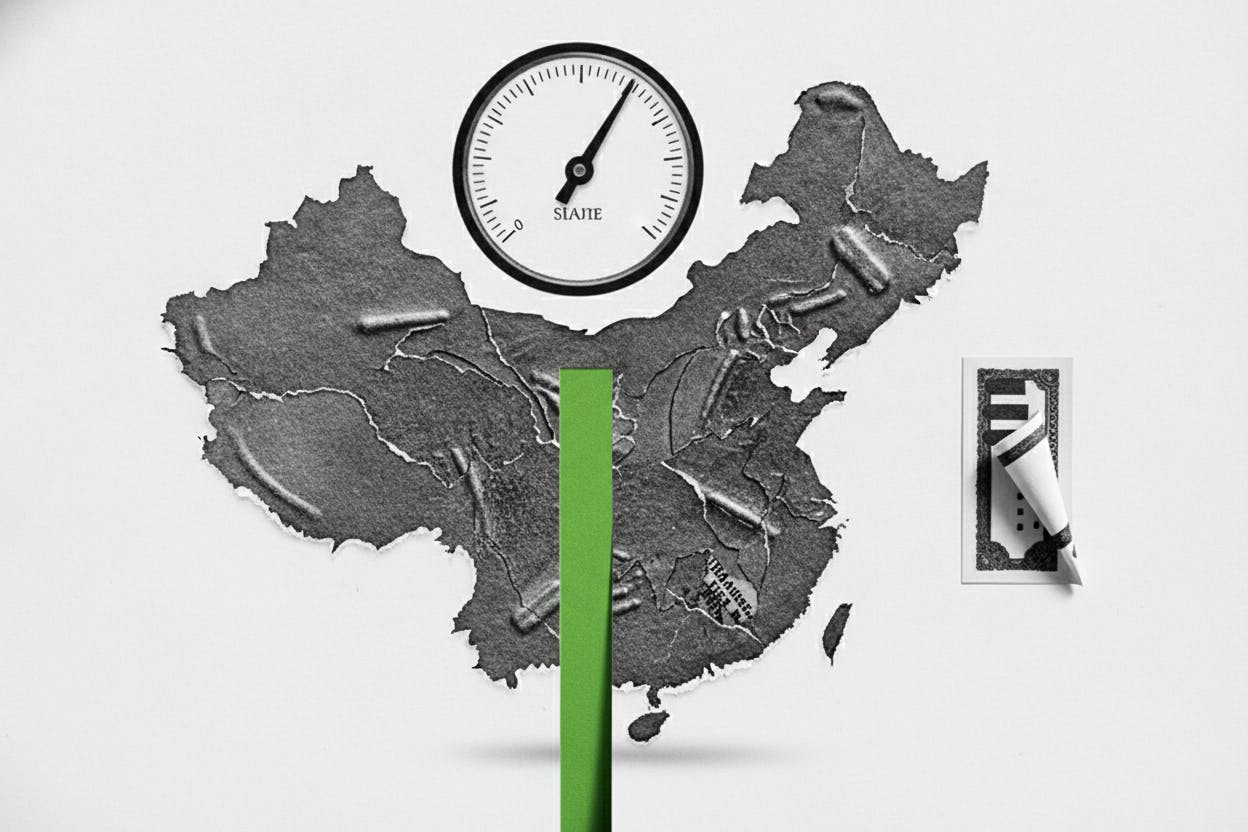
Chinese equities climbed on Monday, with the Shanghai Composite closing up 0.7%, after July inflation figures came in below expectations. The softer data has reignited speculation that Beijing may roll out fresh stimulus measures to shore up domestic demand, which has been a persistent concern for investors.
What the data showed
According to the National Bureau of Statistics, consumer inflation slowed to 0.5% in July from June's 1.0% reading, missing the 0.8% that economists had forecast. On the producer side, factory-gate prices eased to 3.5% from 4.1% in June, also coming in under expectations.
These numbers point to fading price pressure across the economy. For everyday consumers, slower inflation means the cost of goods and services is rising at a more moderate pace. For businesses, particularly manufacturers, softer producer prices can signal weaker demand for their products.
Why softer inflation matters
Inflation is a key input for central banks when setting monetary policy. When prices are rising too quickly, policymakers typically raise interest rates to cool things down. But when inflation is low or falling, there is more room to cut rates or take other steps to encourage borrowing and spending.
In China's case, the People's Bank of China (PBOC) has been walking a careful line. The economy has faced headwinds from a property market downturn, sluggish consumer confidence, and global trade uncertainties. With inflation now running below forecasts, the PBOC may feel less constrained in easing policy to support growth.
Investors are betting that this could translate into rate cuts, lower reserve requirements for banks, or other measures to boost lending and stimulate domestic consumption. The market's positive reaction suggests that traders see this as a potential catalyst for a rebound in economic activity.
What it means for investors
For those with exposure to Chinese stocks, the latest inflation data is a double-edged sword. On one hand, weak price data can be a sign of underlying economic softness, which is not good for corporate earnings. On the other hand, it raises the likelihood of policy support, which can lift market sentiment and share prices.
The Shanghai Composite's 0.7% gain reflects the market's optimism about potential stimulus. However, investors should be cautious. Stimulus measures take time to filter through the economy, and their effectiveness can vary. Past rounds of easing have had mixed results, and structural issues like the property sector's troubles remain unresolved.
For those watching from abroad, the Chinese market's performance can also have ripple effects. China is a major trading partner for many countries, and its economic health influences global supply chains and commodity prices. As noted in our coverage of iron ore's reaction to soft Chinese data, demand from China is a key driver for many raw materials.
Looking ahead
The focus now shifts to whether Beijing will actually deliver on the stimulus expectations. Investors will be watching for any announcements from the PBOC or the government in the coming weeks. Also on the radar are upcoming economic indicators, such as retail sales and industrial production, which will provide a clearer picture of the economy's momentum.
In the broader Asian context, China's inflation data is part of a week that also includes inflation readings and Bank of Japan rate signals. These events can influence regional market sentiment and capital flows.
For now, the market's reaction suggests that investors are willing to give Beijing the benefit of the doubt. But as always, the proof will be in the execution. If stimulus measures are announced and show signs of working, Chinese stocks could see further gains. If not, the optimism may fade quickly.
As with any market move, it's important for everyday investors to keep a long-term perspective. Short-term fluctuations driven by policy speculation can be volatile. Understanding the underlying economic trends and how they affect your investments is more valuable than chasing daily headlines.