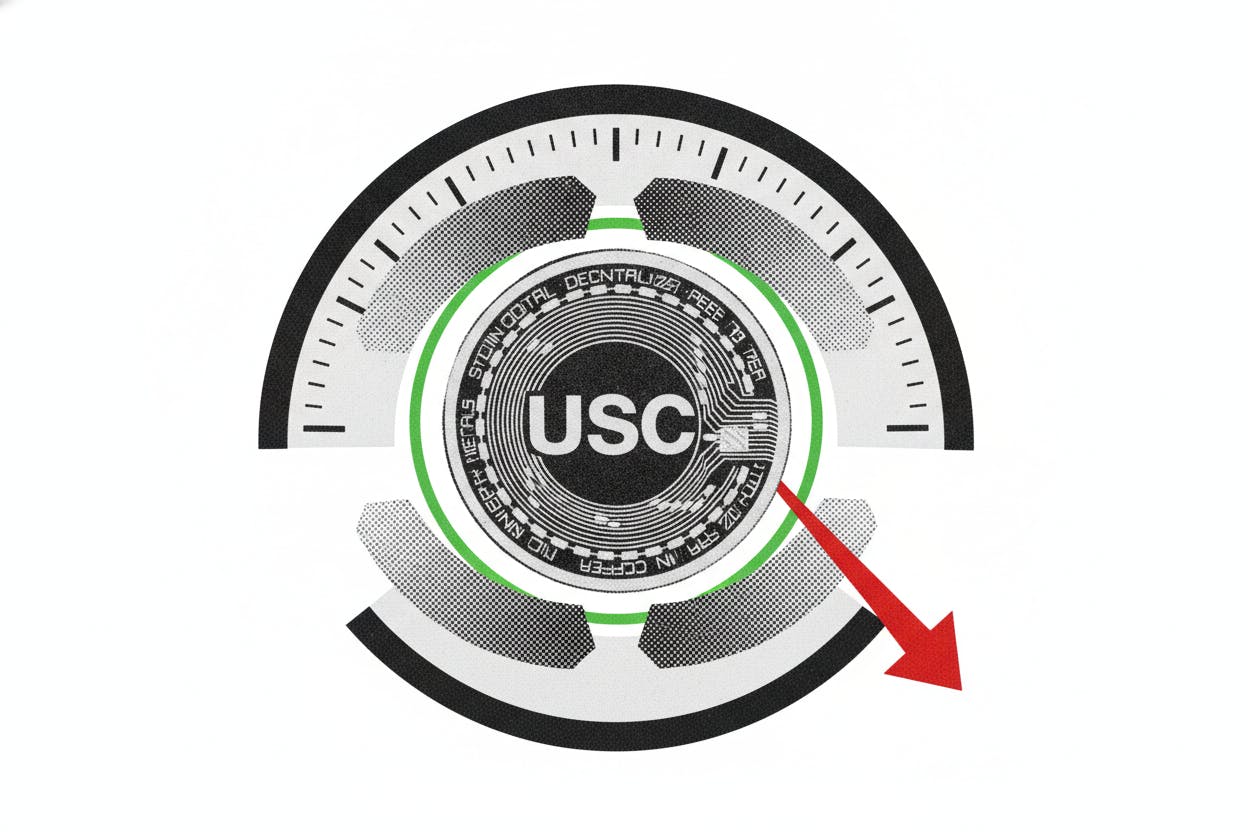
Circle, the company behind the USDC stablecoin, is planning a major expansion into roughly 40 emerging and developing markets, according to CEO Jeremy Allaire. The push, reported by Reuters, is backed by new distribution deals, including a partnership with Tazapay, a cross-border payments firm. The move signals that stablecoins are moving from a niche crypto product toward mainstream payment infrastructure.
What is USDC and why does it matter?
USDC is a type of cryptocurrency called a stablecoin. Unlike Bitcoin or Ethereum, whose prices swing wildly, stablecoins are designed to hold a steady value—usually one token equals one US dollar. Issuers like Circle hold reserves in dollars and other safe assets to back each token. That stability makes stablecoins useful for payments, remittances, and as a bridge between traditional money and digital assets.
Circle's expansion targets regions where many people lack access to reliable banking or where cross-border payments are slow and expensive. In Southeast Asia, Latin America, Africa, and the Middle East, dollar-pegged tokens can offer a faster, cheaper way to send money or store value, especially in countries with volatile local currencies.
The numbers behind the push
According to Reuters, USDC's circulation rose 19% year-over-year to $73.3 billion in the second quarter. That growth is notable, but USDC still trails its main rival, Tether's USDT, which holds a much larger share of the stablecoin market. Tether has long been the dominant player, especially in emerging markets, but Circle is betting that regulatory clarity and institutional trust will help it gain ground.
The partnership with Tazapay is a key part of the strategy. Tazapay provides cross-border payment infrastructure, which could help distribute USDC to businesses and individuals in new markets. By teaming up with established payment firms, Circle can reach users without building its own local networks from scratch.
Regulation is the bigger catalyst
The broader backdrop is shifting regulation. In the United States, lawmakers have been working on stablecoin legislation that would set clear rules for issuers. Similar frameworks are emerging in Europe and other regions. For Circle, clearer rules could reduce uncertainty and encourage more businesses and financial institutions to adopt USDC. It could also give Circle a competitive edge over Tether, which has faced scrutiny over its reserves and transparency.
However, regulation cuts both ways. Stricter rules could also raise compliance costs and limit how stablecoins are used. Circle will need to navigate a patchwork of regulations across dozens of countries, each with its own approach to digital assets.
What it means for investors
For everyday investors, this news is less about buying crypto and more about understanding a trend: stablecoins are becoming a bigger part of the global financial system. If Circle succeeds, USDC could see increased usage, which might boost the value of the company—though Circle is not publicly traded. Investors can, however, watch how stablecoin adoption affects payment companies, banks, and even traditional currencies.
Stablecoins also carry risks. They are not insured like bank deposits, and their value depends on the issuer's ability to maintain reserves. Regulatory changes could disrupt the market. And while USDC is designed to be stable, it is not immune to broader crypto market swings, as seen during past periods of turmoil.
For those interested in the broader crypto and payments space, the expansion into emerging markets is a sign that digital dollars are gaining traction beyond trading floors. It also highlights the growing importance of emerging market dynamics, where currency volatility and limited banking access make stablecoins particularly appealing.
Investors should also keep an eye on how this plays out in specific regions. For example, central bank interventions in markets like India can affect how stablecoins are used. Similarly, inflation-linked bonds in South Africa reflect the kind of economic pressures that make dollar-pegged assets attractive.
The road ahead
Circle's plan is ambitious, but it faces hurdles. Competition from Tether is fierce, and regulatory frameworks are still evolving. The company will need to prove that USDC can be a reliable, compliant payment tool in diverse markets. If it succeeds, stablecoins could become as common as credit cards for international transactions. If it stumbles, the expansion could slow, reminding investors that even 'stable' coins are not without risk.
For now, the move is a clear signal that Circle sees emerging markets as the next frontier for digital dollars. Whether that bet pays off will depend on execution, regulation, and the willingness of businesses and consumers to embrace a new way to move money.