Coffee prices perked up on Tuesday as exchange-monitored stockpiles of arabica beans fell to their lowest level in 27 years, helping futures rebound from recent seven-week lows.
Arabica futures rose 0.7% to $2.7545 per pound after data showed ICE-certified inventories dropped 15% over two sessions to 211,321 bags. That's the smallest buffer of deliverable coffee since the late 1990s, and it's a number traders watch closely because it represents the physical beans that can actually be delivered into the futures contract.
Why inventory levels matter
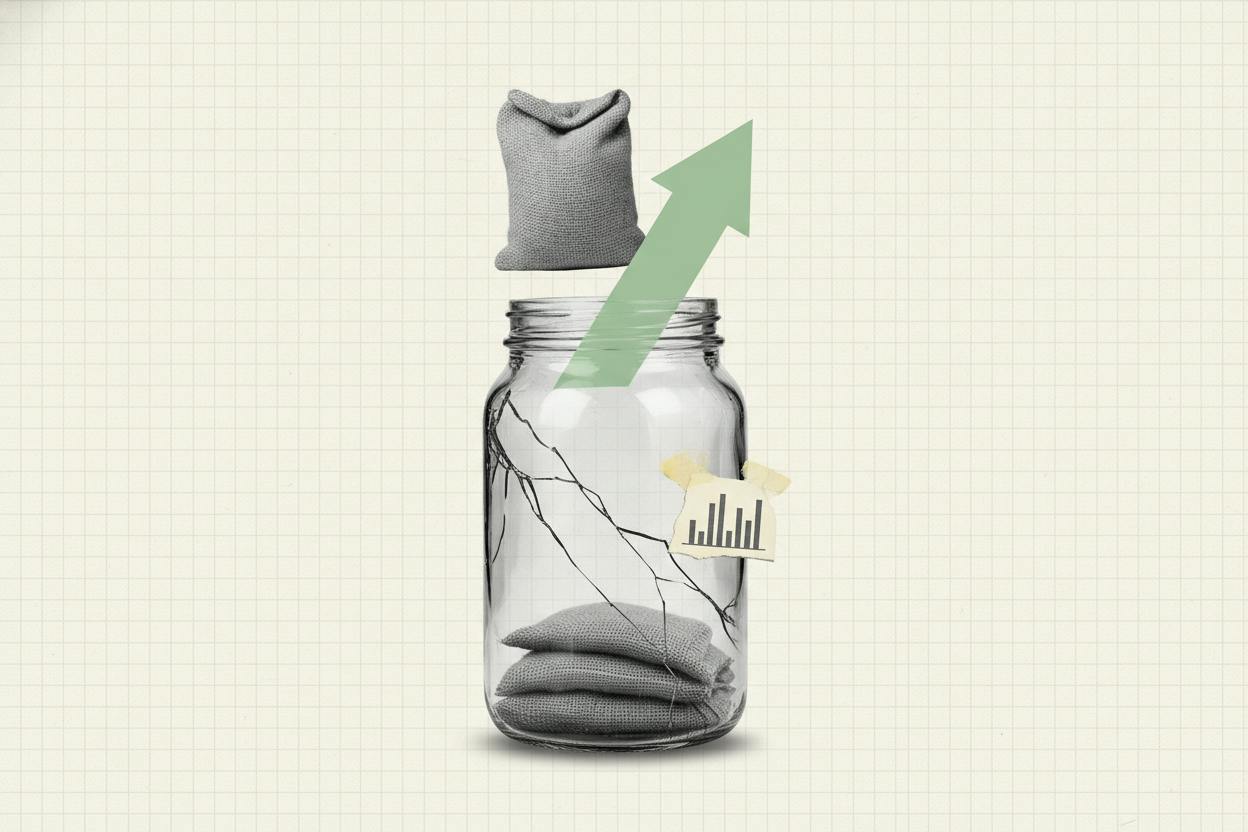
Think of ICE-certified stockpiles as the market's shock absorber. When supply worries hit—say, a frost in Brazil or a shipping disruption—these inventories can be tapped to meet demand and calm prices. But when the buffer gets thin, prices can swing more sharply in the short term, even if growers' longer-term outlooks are improving.
That's exactly what's happening now. The drop in inventories comes even as traders believe stockpiles could rebuild if Brazil's crop prospects stay healthy. Brazil is the world's largest producer of arabica, and a strong harvest would add supply and take some heat out of prices. But until that materializes, the market is more sensitive to any hiccup.
The move also comes against a backdrop of broader commodity market jitters. Tin prices have also jumped as LME inventories shrank to multi-year lows, highlighting how tight physical supplies are rippling across raw materials.
Robusta tells a different story
While arabica is firming, robusta—the cheaper, more bitter bean used in instant coffee and espresso blends—is heading the other way. Robusta futures slipped 0.7% to $3,173 a metric ton as Vietnam's harvest gets going. Vietnam is the world's top robusta producer, and the arrival of fresh supply is keeping a lid on prices there.
That divergence is a reminder that coffee isn't one market. Arabica and robusta are traded separately, with different supply drivers and different end uses. For everyday drinkers, the split means your morning cup could be affected differently depending on the blend.
What it means for your coffee bill
Here's the part that matters for your wallet: your coffee bill rarely tracks arabica's $2.75 futures price directly. The plunge in ICE-certified inventories doesn't just move a headline quote—it makes the market's deliverable cushion smaller, which can push up the cost of hedging for roasters and big buyers.
Roasters and large coffee companies often lock in prices through contracts and hedges weeks or months ahead. So wholesale costs tend to reset with a lag. That's why grocery and café prices can stay stubborn even if arabica later slides back toward last week's $2.62 low. A lot of the coffee already moving through the supply chain was priced off earlier, higher hedged costs, not the screen price on any single day.
In other words, don't expect a sudden drop in your latte price just because futures ticked up or down. The effect on retail prices is gradual and often delayed.
What investors should watch next
For investors, the key question is whether inventories will rebuild. If Brazil's crop continues to look strong, stockpiles could recover, easing the pressure on arabica prices. But if weather or logistics issues emerge, the thin buffer could mean more volatility ahead.
Also worth watching: the broader commodity complex. Sugar prices have been steady after a three-week slide, and natural gas futures slid as storage builds topped seasonal norms—signs that different commodities are moving on their own fundamentals rather than a single trend.
For now, coffee traders are focused on the shrinking deliverable supply, and that's likely to keep prices supported in the near term. But as with any commodity, the long-term direction will depend on supply, demand, and the weather.