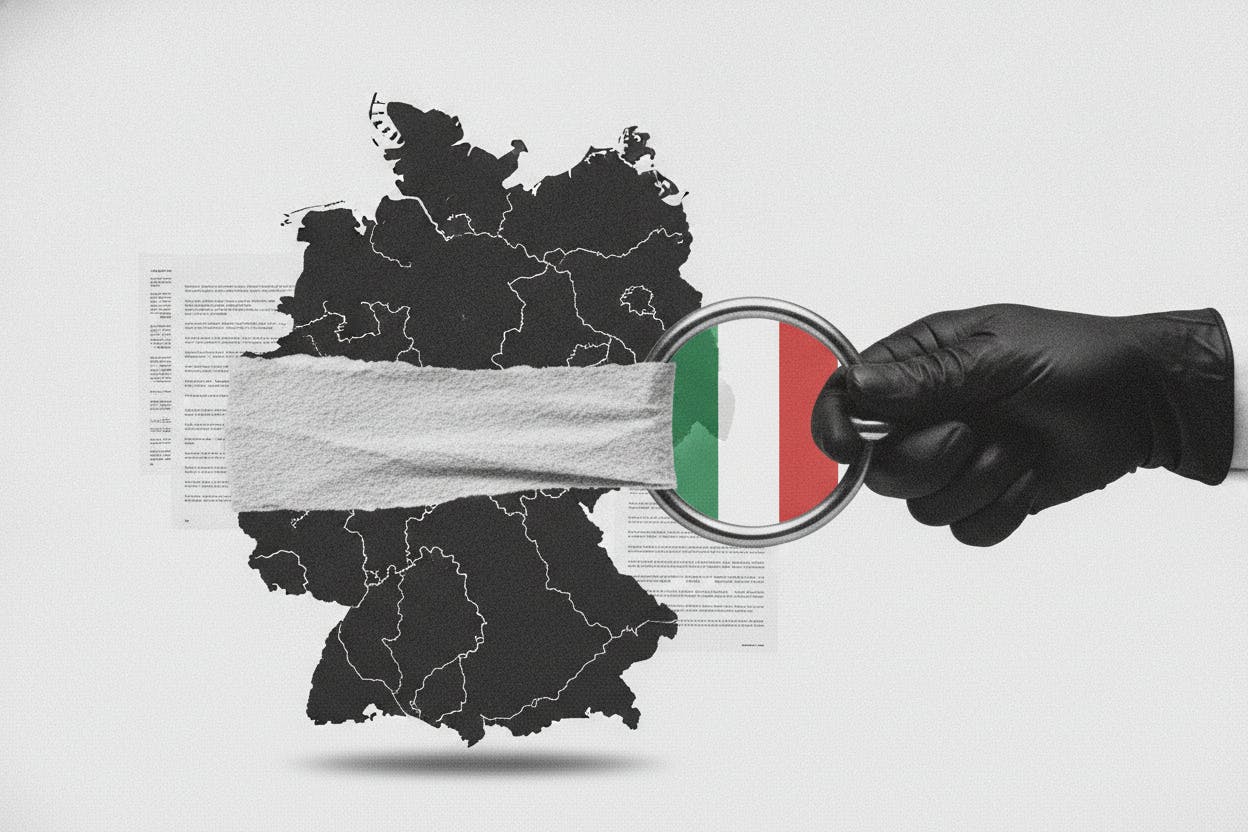
Commerzbank's employee representatives are drawing a line in the sand against UniCredit's takeover ambitions, just one day after the Italian banking giant revealed it had built a 47.6% stake in the German lender. The works council, which represents the interests of Commerzbank's workforce, told employees on Thursday that it 'neither want[s] nor need[s] UniCredit,' describing the move as a 'hostile creeping approach.'
The pushback marks a significant escalation in what is shaping up to be one of Europe's most contentious cross-border banking battles. UniCredit disclosed its near-control position on Wednesday, following a tender offer that fell short of its initial targets. The Italian bank now holds a stake that gives it substantial influence over Commerzbank's future, but the works council's opposition suggests that the deal's path is far from smooth.
What's at Stake in the Commerzbank-UniCredit Battle
UniCredit's stake in Commerzbank is the result of a months-long campaign to consolidate its position in the German banking market. The Italian bank has argued that a combination would create a stronger, more competitive European lender capable of taking on larger global rivals. However, the works council's rejection highlights the deep-seated resistance from Commerzbank's employees, who fear job losses, branch closures, and a loss of German control over a key financial institution.
The works council's statement is a clear signal that the battle is no longer just about price or valuation. It has become a political and social question: can a foreign bank successfully take over a German lender with a strong domestic identity and powerful labor representation? In Germany, works councils have significant legal rights to negotiate over working conditions and restructuring, making their opposition a serious obstacle.
UniCredit has said it wants to work with 'relevant stakeholders' to find a path forward, but the works council's language suggests that trust is already in short supply. The Italian bank's 'creeping' approach—building a stake gradually rather than launching a full public bid—has been interpreted by Commerzbank's representatives as an attempt to bypass proper consultation.
What This Means for Investors
For investors, the works council's pushback introduces a new layer of uncertainty into the Commerzbank story. Until now, the focus has been on whether UniCredit's offer price was attractive enough to win over shareholders. The €45 billion bid was seen as a premium to Commerzbank's pre-offer share price, but the tender offer still fell short of UniCredit's desired level of acceptance.
Now, the political and social dimensions of the deal are coming to the fore. If the works council's opposition leads to prolonged negotiations, regulatory delays, or even a full-blown political intervention, the deal's timeline could stretch out significantly. That could weigh on Commerzbank's share price, which has already priced in some takeover premium.
Investors should also watch for signs of how the German government, which still holds a stake in Commerzbank from the 2008 financial crisis bailout, will react. Berlin has been wary of foreign takeovers of key domestic institutions, and the works council's stance could give politicians cover to impose conditions or even block the deal.
The situation echoes other recent takeover battles where employee resistance has played a key role. For example, Workspace Group urged shareholders to reject Saba's fast-sale plan, highlighting how management and labor can align against activist investors. Similarly, Prologis pressured SEGRO to let shareholders vote on its takeover bid, showing that even in friendly deals, stakeholder opposition can create hurdles.
What Happens Next
The next key milestone will be UniCredit's response to the works council's statement. The Italian bank may try to open a dialogue with employee representatives, offering guarantees on jobs and investment in Germany to smooth the path. Alternatively, it could press ahead with its takeover attempt, relying on its shareholder power to force through changes.
Commerzbank's management is caught in the middle. While the board has not publicly opposed the deal, it must balance the interests of shareholders, who may want the premium, with those of employees, who fear disruption. The works council's strong language could embolden management to seek better terms or even explore alternative strategies, such as a merger with a different partner.
For everyday investors, the key takeaway is that this deal is far from done. The works council's opposition adds a new risk factor that could delay or derail UniCredit's plans. Anyone holding Commerzbank shares should be prepared for volatility as the political and social battle plays out. As always, it's important to focus on the fundamentals of the business rather than betting on deal outcomes.
UniCredit's 47.6% stake gives it a powerful position, but in Germany, labor has a voice that cannot be ignored. The coming weeks will show whether UniCredit can win that voice over—or whether the 'hostile creeping approach' has created a fight it cannot win.