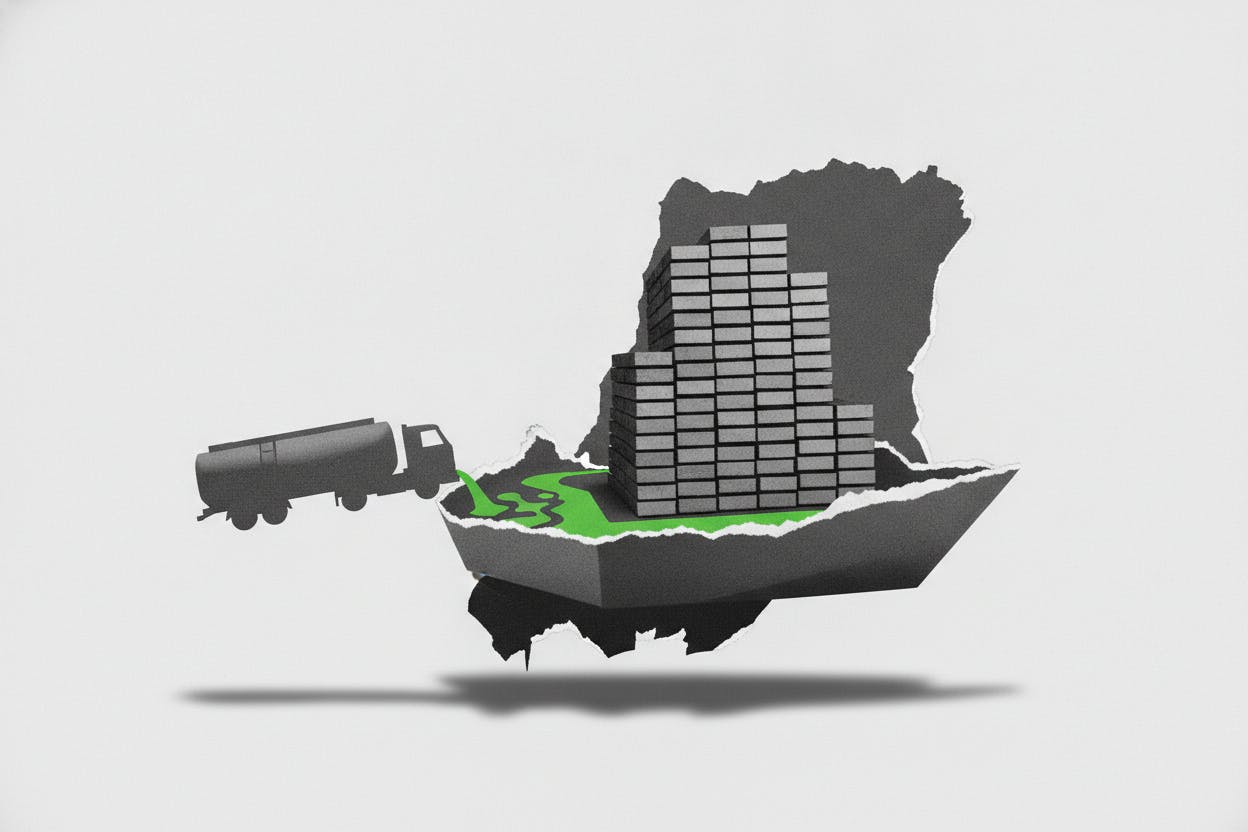
The Democratic Republic of the Congo's (DRC) copper and cobalt mines are expected to maintain steady output despite recent disruptions in sulfuric acid shipments from neighboring Zambia, according to officials from the country's mines ministry. The assurance comes as delays and rising costs threaten a key input for processing these critical metals.
What's Happening with Sulfuric Acid Supplies?
Sulfuric acid is an essential chemical used in the extraction and processing of copper and cobalt. The DRC relies heavily on trucked-in supplies from Zambia, where production has been constrained as the country prioritizes domestic demand. Logistical challenges have further complicated shipments, raising concerns that miners could face higher costs or slower processing times.
However, the DRC's mines ministry has downplayed the risk of a significant production hit. Officials point to long-term supply contracts and existing stockpiles as buffers that should keep operations running smoothly. The ministry's stance suggests that the immediate impact on output will be limited, even as the situation evolves.
Why This Matters for Copper and Cobalt Markets
The DRC is a global powerhouse in copper and cobalt production. It is the world's largest source of cobalt, a key component in electric vehicle batteries and electronics, and a major copper producer. Any disruption to its mining operations can ripple through global supply chains, affecting prices and availability.
Copper prices have been sensitive to supply news, with recent gains tied to expectations of tighter supply. The DRC's ability to maintain output despite acid snags could help stabilize prices, especially as demand from renewable energy and electric vehicle sectors continues to grow. Cobalt, while less traded, is also closely watched by battery manufacturers and tech companies.
Investors should note that the DRC's reliance on imported sulfuric acid highlights a vulnerability in its mining infrastructure. While current buffers appear sufficient, prolonged disruptions could eventually pressure margins for miners operating in the region.
What It Means for Investors
For everyday investors, the key takeaway is that major copper and cobalt producers in the DRC are likely to maintain production in the near term, reducing the risk of sudden price spikes. However, the situation underscores the importance of monitoring supply chain risks in mining investments.
Companies with operations in the DRC, such as Glencore and China Molybdenum, may face higher input costs if acid prices rise, but their long-term contracts provide some protection. The broader copper market has already seen positive momentum from other developments, such as softer US jobs data lifting the TSX to a two-week high as gold and copper surged, reflecting investor optimism about demand.
Meanwhile, the DRC's stability is crucial for the global cobalt supply chain. Any significant disruption could accelerate efforts to diversify sources, including recycling and alternative battery chemistries. For now, the mines ministry's confidence suggests that the immediate fallout is contained.
Broader Context in Copper Mining
The DRC's situation is part of a larger narrative in the copper mining industry, where companies are grappling with rising costs and logistical challenges. In Chile, for example, Codelco's copper problem highlights how high costs, not scarce ore, squeeze margins. Similarly, Antofagasta is reviving two copper projects in Chile with a $155 million exploration budget, signaling long-term investment despite near-term headwinds.
In Poland, KGHM has committed 32 billion zlotys to its Polish copper operations, underscoring the industry's focus on securing production. These moves reflect a global push to meet growing demand for copper, driven by electrification and renewable energy.
Looking Ahead
Investors will watch for further updates on acid supply logistics and any signs of production cuts in the DRC. The mines ministry's reassurances are positive, but the situation remains fluid. If delays persist, miners may need to seek alternative suppliers or invest in local acid production, which could take time and capital.
For now, the DRC's copper and cobalt output appears resilient, offering some stability to markets that are already navigating a complex landscape of demand growth and supply constraints.