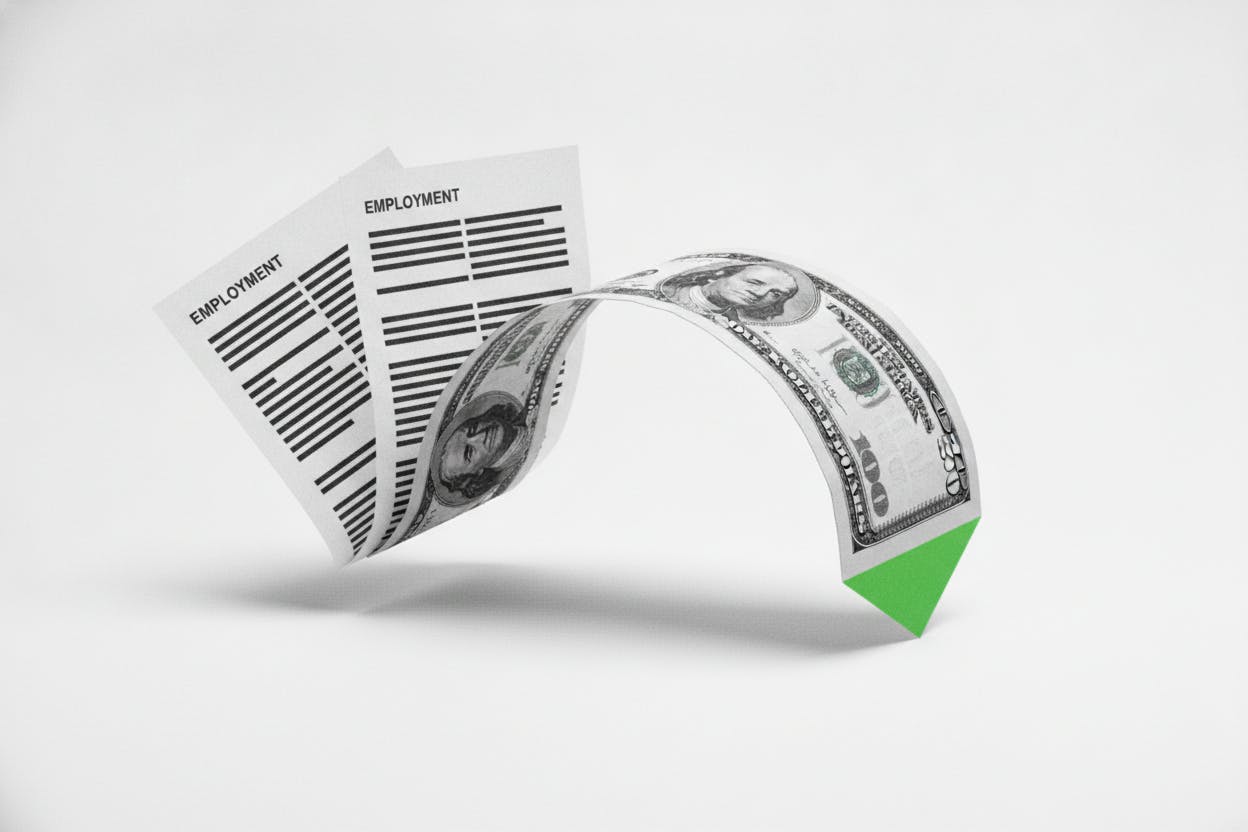
Bond markets moved sharply lower on Friday after a softer-than-expected June jobs report prompted traders to dial back their expectations for the Federal Reserve's next interest rate move. The 2-year Treasury yield, which is particularly sensitive to changes in monetary policy expectations, fell to 4.108% as investors reassessed the likelihood of a rate hike in September.
What the Jobs Report Showed
The U.S. economy added 57,000 jobs in June, a figure that came in below many economists' forecasts. While the labor market remains historically tight, the slower pace of hiring gave bond investors reason to believe the Fed may not need to raise rates as aggressively as previously thought. The report marks a notable deceleration from the robust gains seen earlier in the year, though the unemployment rate remained low by historical standards.
For everyday investors, the jobs data is a key signal because it directly influences the central bank's interest rate decisions. When hiring slows, it can ease inflationary pressures, reducing the urgency for the Fed to keep raising rates. That dynamic is what drove Treasury yields lower on Friday.
Why the 2-Year Yield Matters
The 2-year Treasury yield is one of the most closely watched indicators in financial markets because it reflects investor expectations for short-term interest rates. When traders think the Fed will raise rates, the 2-year yield tends to rise. When they think rate hikes are less likely, it falls.
Friday's move lower was significant: the yield dropped to 4.108%, down from levels above 4.2% earlier in the week. At the same time, the probability of a September rate hike, as implied by fed funds futures, fell to 56% from 64% last Thursday. That shift means nearly half of traders now expect the Fed to hold rates steady in September, a notable change from just days ago.
The 10-year yield also slipped, but its movements are influenced by a broader set of factors, including long-term inflation expectations and economic growth prospects. The yield curve, which measures the gap between short- and long-term yields, continued to flatten, a pattern that often signals uncertainty about the economic outlook.
What It Means for Investors
For investors holding bonds or bond funds, falling yields mean rising prices. That's good news for those who own fixed-income assets, as the value of existing bonds increases when new bonds offer lower yields. However, for savers and investors who rely on income from money market funds or short-term CDs, lower yields could mean a gradual decline in returns if the Fed pauses its rate hiking cycle.
Stock investors also pay close attention to Treasury yields. Lower yields can be supportive for equities, particularly for growth stocks, because they reduce the discount rate used to value future earnings. However, if the weaker jobs data signals a broader economic slowdown, that could offset any benefit from lower rates.
The shift in rate expectations also has implications for currency markets. A less aggressive Fed typically weighs on the U.S. dollar, which can benefit multinational companies and emerging market assets. For example, the Indian rupee gained briefly as Brent crude dipped below $71, though traders remain cautious about downside risks.
Broader Market Context
The jobs report is just one piece of the puzzle for the Fed, which has been navigating a delicate balancing act between taming inflation and avoiding a recession. The central bank has raised rates aggressively over the past year, and markets have been on edge about how much further it will go.
Friday's data adds to a growing narrative that the economy may be cooling, but not collapsing. That has led some investors to hope for a so-called soft landing, where inflation moderates without a sharp downturn. However, the path remains uncertain, and the Fed has repeatedly stressed that its decisions will depend on incoming data.
Global bond markets have been moving in similar directions. In Europe, euro zone bond yields rose as the curve steepened, reflecting long-end risks. Meanwhile, Japan's bond yields hit a mid-May high after a weak auction and fiscal shift rattled markets. These cross-currents highlight how interconnected global fixed-income markets have become.
What to Watch Next
Investors will now turn their attention to upcoming economic data, including inflation readings and consumer spending figures, for further clues about the Fed's path. The next Federal Reserve meeting is in late July, and while a rate hike is still possible, Friday's jobs report has made the outcome less certain.
For now, the bond market is sending a clear message: the era of aggressive rate hikes may be drawing to a close. Whether that proves to be correct will depend on whether inflation continues to moderate and the labor market cools further without triggering a recession.