Copper prices clawed back some ground on Friday, but the metal still closed the week about 1% lower, as a combination of hot inflation data and a sharp selloff in AI-related stocks rattled markets from equities to metals.
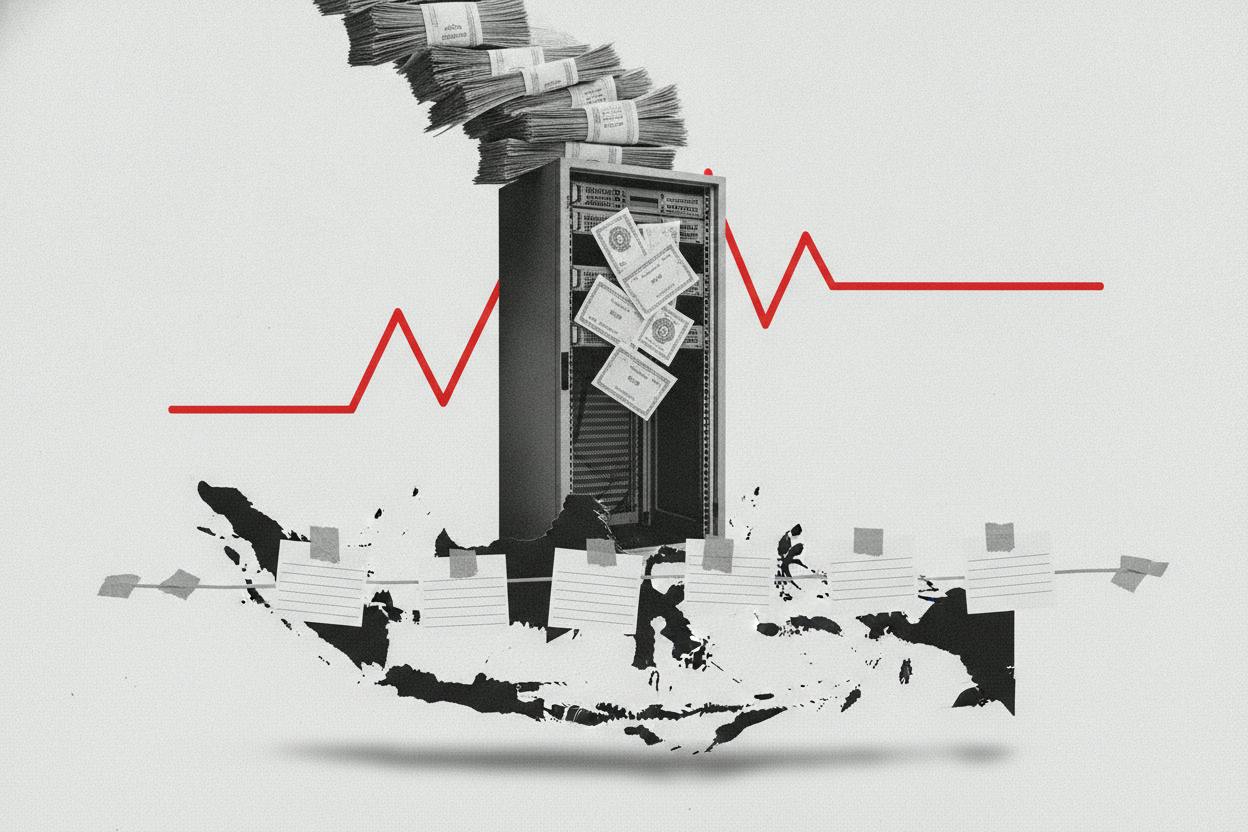
The pullback highlights how closely copper, often called "Dr. Copper" for its reputation as a barometer of global economic health, has become tied to the fortunes of the artificial-intelligence boom. When AI stocks tumble, copper now tends to follow.
What's behind the move
Reuters pointed to two main forces weighing on copper this week. First, US producer prices jumped in September at the fastest pace in about four-and-a-half years, a sign that inflation may be spreading beyond energy. That keeps investors worried that borrowing costs could stay higher for longer, which tends to dampen demand for industrial commodities.
Second, and more striking, was the spillover from the AI trade. Marex, a UK brokerage, told Reuters that semiconductor and AI shares and copper have moved closely together for much of this year, and lately they've been sliding in tandem. The link makes sense: data centers, the physical backbone of AI, are packed with copper-heavy wiring, power cables, and cooling systems. They also require enormous amounts of electricity, which means more copper for grid upgrades and transformers.
The selloff also leaked into credit markets. Some investors are questioning whether data-center operators will generate profits quickly enough to comfortably service their debt. That's a key concern because these projects are typically financed with heavy borrowing.
Supply risks still simmer
Underlying supply issues haven't disappeared. Reuters noted that labor talks at Antofagasta Minerals' Centinela mine in Chile showed no progress, keeping the threat of a strike alive. Chile is the world's largest copper producer, and any disruption there can tighten global supply.
Still, three-month copper on the London Metal Exchange was trading around $14,383.50 a ton, within Citi's near-term range of $14,000 to $15,000. That suggests the market is not pricing in a major supply shock right now, but rather a period of uncertainty.
What it means for investors
For everyday investors, the key takeaway is that copper is no longer just a play on global growth or mine supply. It's increasingly a barometer of how easily the AI industry can finance its expansion.
When AI stocks wobble, as they did this week, the ripple effects can hit corporate debt markets. If lenders demand higher yields, financing gets harder to line up, and some data-center expansion plans may be delayed, resized, or staged more slowly. That can lower near-term expectations for copper demand, even if the long-run AI story remains intact.
In that setup, copper prices can become less about day-to-day mine headlines and more about whether credit conditions stay friendly enough to fund the next wave of data-center construction. Investors watching copper should therefore keep an eye on both inflation data and the health of the AI trade, as the two are now intertwined.
Related reading: Copper's earlier pullback and September's producer inflation jump.