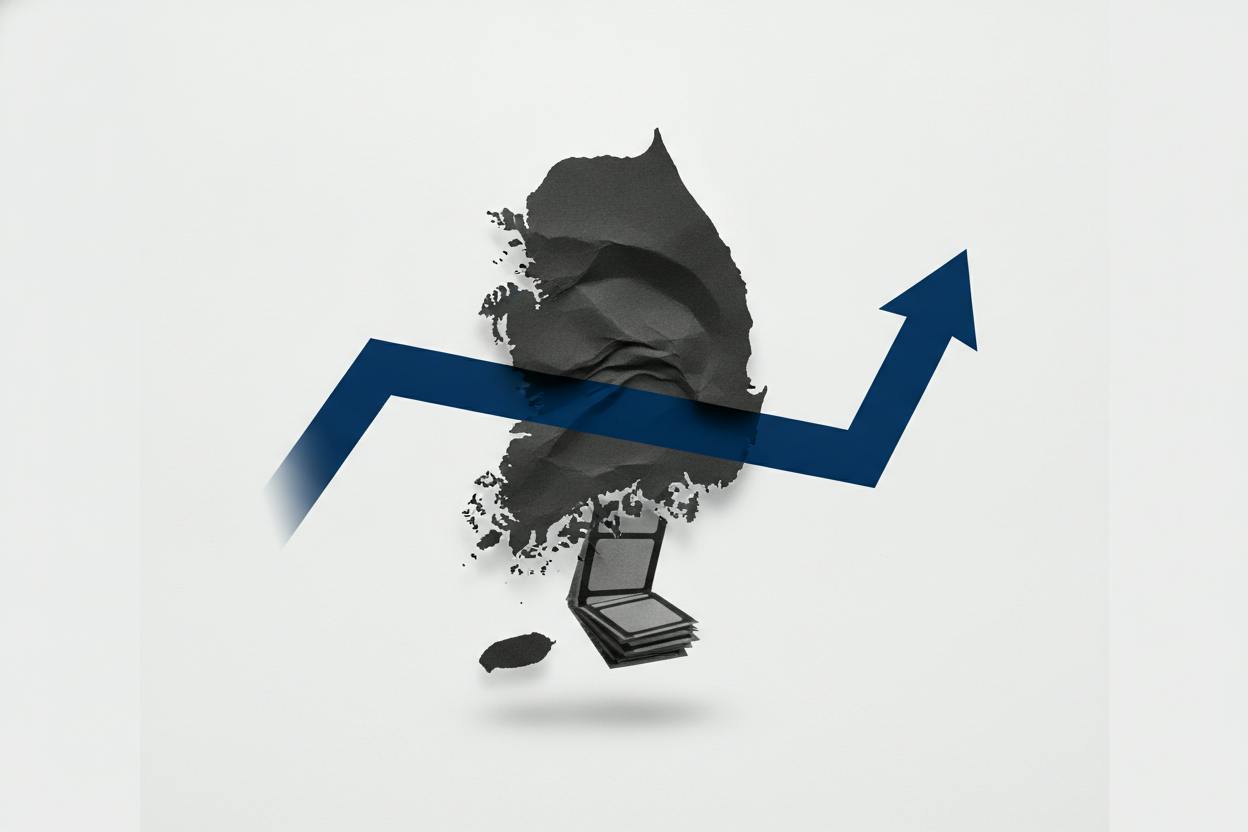
South Korea's main stock index found its footing on Friday, snapping a seven-session losing streak with a sharp rebound. But the bounce did little to erase the damage from a brutal week: the KOSPI was still headed for its steepest weekly drop since the 2008 financial crisis.
The rebound came after a selloff that was driven by fresh doubts about how durable the global artificial intelligence spending boom really is. Many of the biggest names on the KOSPI are deeply tied to the AI supply chain, from memory chipmakers to equipment makers, so when sentiment turns, the selling can spread quickly across the entire market.
What happened this week
According to the latest data, the KOSPI was down about 14% for the week even after Friday's lift. That would mark the index's worst weekly performance in over a decade and a half. The slide was fueled by concerns that the massive capital spending on AI infrastructure—data centers, advanced chips, and the like—may not deliver the returns investors have been hoping for.
Overseas investors continued to pull money out of South Korean equities, a sign that the selling pressure is not over. Foreign selling has been a key driver of the KOSPI's moves in recent years, and their exit can amplify declines in a market that is heavily weighted toward a few large tech names.
The selloff was not isolated to South Korea. Regional tech stocks have been under pressure as investors reassess the AI trade. Earlier in the week, the KOSPI plunged 8% on US inflation fears, hitting Samsung and SK Hynix, the country's two largest chipmakers. A separate session saw the index drop 5.6% as hot US inflation data rattled Asian tech markets.
Why the AI trade matters for the KOSPI
The KOSPI's heavy reliance on technology makes it particularly sensitive to shifts in the AI narrative. Samsung Electronics and SK Hynix are among the world's largest producers of memory chips, which are essential for AI servers and data centers. When investors worry that AI spending might slow, these stocks tend to fall first and hardest.
But the impact goes beyond chips. The KOSPI includes a broad range of companies that supply components, software, and services to the tech sector. A downturn in AI sentiment can therefore drag down the entire index, not just the obvious names.
Friday's rebound looked like classic dip-buying—investors stepping in to buy beaten-down stocks at lower prices. Such moves are common after sharp selloffs, but they do not always signal a lasting recovery. The fact that foreign investors were still net sellers suggests that the market has not yet found a clear bottom.
What it means for investors
For everyday investors, the KOSPI's wild swings are a reminder of how concentrated the South Korean market is in technology. When the AI trade works, the index can soar; when it wobbles, the falls can be steep.
The current situation also highlights the importance of diversification. An investor with a heavy allocation to South Korean tech stocks—or to AI-related names elsewhere—could see significant volatility. That does not mean these stocks are bad long-term holdings, but it does mean they carry higher risk than a broad, diversified portfolio.
Officials are watching the situation closely. South Korea's finance ministry has been monitoring the market for any signs of stress, and there is speculation that authorities could step in with support measures if the selloff deepens. Such interventions are not uncommon in South Korea, where the government has a history of trying to calm markets during periods of extreme volatility.
For now, the key question is whether the AI spending boom is truly slowing or whether this is just a temporary scare. Earnings reports from major tech companies in the coming weeks will likely provide more clarity. If companies continue to invest heavily in AI, the KOSPI could recover. If they signal cutbacks, the selloff could resume.
In the meantime, investors should brace for more volatility. The KOSPI's sharp moves are a reminder that markets can turn quickly, and that even a strong rebound does not guarantee a sustained recovery.