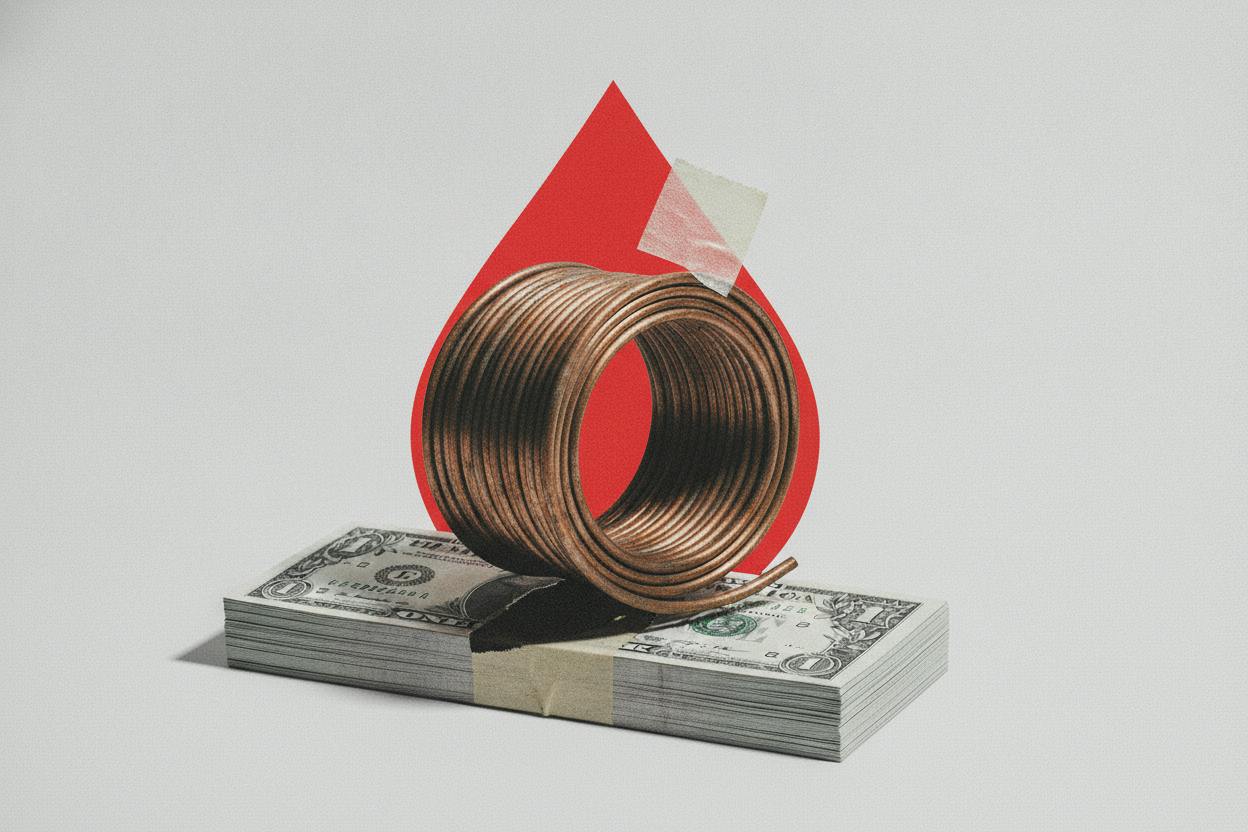
Copper prices slipped on Wednesday, easing 0.25% to $14,379 a metric ton on the London Metal Exchange, as the US dollar firmed and oil prices rose. The moves come as traders across global markets turn their attention to the release of the Federal Reserve's September meeting minutes, due later in the day, for fresh signals on the path of interest rates.
The dollar index nudged up to 102.05, making dollar-priced commodities like copper more expensive for buyers using other currencies. Because copper is traded globally in dollars, a stronger greenback effectively raises the cost for European, Chinese and other international buyers, which can cool near-term demand and put downward pressure on prices.
Why the dollar and oil matter for copper
The relationship between the dollar and commodities is a well-worn one. When the dollar strengthens, it takes more euros, yuan or yen to buy the same amount of copper, so buyers often pull back or look for cheaper alternatives. That dynamic is playing out again this week, with the dollar index hovering near recent levels after a period of volatility.
Oil prices, meanwhile, have been firming, adding to the broader inflationary backdrop. Higher energy costs can raise production and shipping expenses for miners and manufacturers, but they also feed into inflation expectations, which in turn influence central bank policy. For copper, a metal heavily used in construction, electronics and electric vehicles, the combination of a stronger dollar and firmer oil can create a headwind for demand in the short term.
Aluminium, by contrast, edged higher on Wednesday, supported by worries about supply disruptions. Supply-side concerns have been a recurring theme in the metals market, with traders keeping an eye on production issues and logistical bottlenecks that can tighten availability and push prices up.
Fed minutes in focus
The main event for markets on Wednesday is the release of the Federal Reserve's September meeting minutes. Investors will be parsing the document for any clues about how policymakers view inflation, employment and the trajectory of interest rates. The minutes come after a period of uncertainty about whether the Fed will hold rates steady, cut them, or even raise them again in the coming months.
For everyday investors, the Fed's decisions have a ripple effect across asset classes. Higher interest rates tend to strengthen the dollar, which can weigh on commodities like copper and gold. They also affect borrowing costs for companies and consumers, influencing everything from mortgage rates to corporate profits. Lower rates, on the other hand, can weaken the dollar and provide a boost to metals and other raw materials.
As traders await the Fed minutes, similar caution is visible across other markets. Gold also slipped as investors positioned for the release, and Asian equities showed mixed performance, with the Nikkei and KOSPI both easing as tech and chip stocks retreated.
What it means for investors
For investors with exposure to copper or other industrial metals, the current price action is a reminder of how interconnected global markets are. A move in the dollar or oil can quickly translate into gains or losses in commodity portfolios, even when the underlying supply-and-demand picture hasn't changed much.
Copper is often seen as a bellwether for global economic health because of its use in so many industries. When prices fall, it can signal weaker demand expectations, but it can also simply reflect currency movements. Investors should look beyond the daily price tick and consider the broader drivers, including central bank policy, global growth and supply constraints.
The fact that aluminium is rising on supply worries while copper slips on dollar strength shows that not all metals move in lockstep. Diversification across commodities and other asset classes can help smooth out these fluctuations.
As the Fed minutes hit the wires, expect some volatility in metals and currencies. For long-term investors, the key is to stay focused on fundamentals rather than reacting to every short-term move. Whether copper resumes its upward trend or continues to drift will depend on how the dollar, oil and global demand evolve in the coming weeks.
For more on how currency moves are affecting other markets, see our coverage of the Aussie and kiwi dollars steadying as bond markets take a breather, and gold slipping to $4,150 ahead of the same Fed minutes.