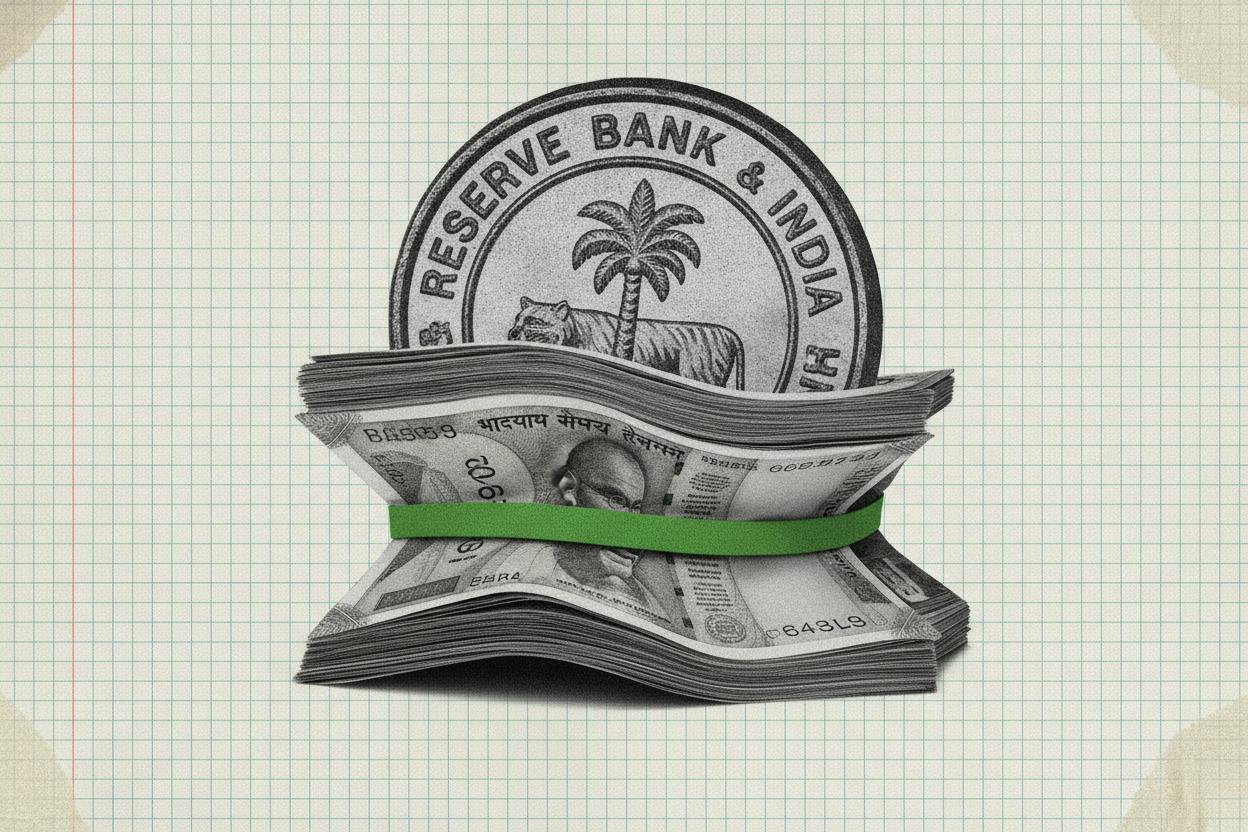
The Reserve Bank of India (RBI) delivered its first interest rate hike in nearly four years on [day], raising its key repo rate by 0.25 percentage points to 5.5%. The move, which was widely expected by economists, marks a clear shift in the central bank's approach as inflation pressures spread across the economy.
More important than the rate increase itself was the RBI's decision to change its policy stance from "neutral" to "calibrated tightening." That language signals that the central bank is prepared to raise rates further if price pressures don't cool, even as Governor Sanjay Malhotra stressed that future decisions will remain data-dependent.
What is the repo rate and why does it matter?
The repo rate is the interest rate at which the RBI lends money to commercial banks. When the central bank raises this rate, borrowing becomes more expensive for banks, and they typically pass those higher costs on to consumers and businesses. That means loans for homes, cars, and business expansion become pricier, which can slow spending and help cool inflation.
For everyday investors, a higher repo rate often translates into higher interest rates on savings accounts and fixed deposits, but it can also weigh on stock prices, especially for sectors that rely heavily on borrowing, such as real estate and consumer durables.
Why is the RBI tightening now?
Inflation in India has been running above the RBI's comfort zone, driven by rising food and energy prices. The shift to "calibrated tightening" is a signal that the central bank is worried about inflation becoming entrenched. By moving away from its neutral stance, the RBI is telling markets that it is willing to act again if needed.
The decision comes amid a broader global trend of central banks raising rates to combat inflation. The U.S. Federal Reserve and the European Central Bank have both been on tightening paths, and the RBI's move aligns India with that global shift. However, India's situation is unique because its growth is still recovering, and the central bank must balance fighting inflation with supporting economic expansion.
What does this mean for Indian markets?
Indian stocks had been bracing for a hawkish shift in the days leading up to the decision, with bank shares leading gains on expectations of higher lending margins. The actual rate hike was largely priced in, so the immediate market reaction may be muted. However, the "calibrated tightening" stance could keep a lid on stock valuations, as higher rates make bonds more attractive relative to equities and increase borrowing costs for companies.
For investors, the key takeaway is that the RBI is now in a tightening cycle. That could mean more volatility in the near term, particularly for rate-sensitive sectors. On the other hand, banks often benefit from a rising rate environment because they can earn more on loans than they pay on deposits.
What should investors watch next?
Governor Malhotra's emphasis on data-dependence means that upcoming inflation readings will be crucial. If inflation shows signs of easing, the RBI may pause after this hike. If it remains sticky, further increases are likely.
Investors should also keep an eye on how the RBI's move affects the Indian rupee and foreign capital flows. A higher rate can attract foreign investment, which supports the currency, but it can also slow economic growth if overdone.
For those with exposure to Indian assets, the shift to "calibrated tightening" is a reminder that the era of ultra-loose monetary policy is over. While this hike was modest, the direction is clear: the RBI is prioritizing price stability, even if it means some short-term pain for growth.
As always, it's important to remember that central bank decisions are just one factor in the market's complex equation. Diversification and a long-term perspective remain the best tools for navigating periods of monetary policy change.