Westpac, one of Australia's largest banks, released its latest card spending data on Wednesday, showing that households are still opening their wallets — but the picture is more nuanced than the headline numbers suggest. Per-person credit and debit card spending rose 1.4% in September and was 7.7% higher than a year earlier.
At first glance, that looks like resilient consumer demand. But dig into the details, and a different story emerges: much of the increase is coming from higher prices, not more buying.
Fuel prices doing the heavy lifting
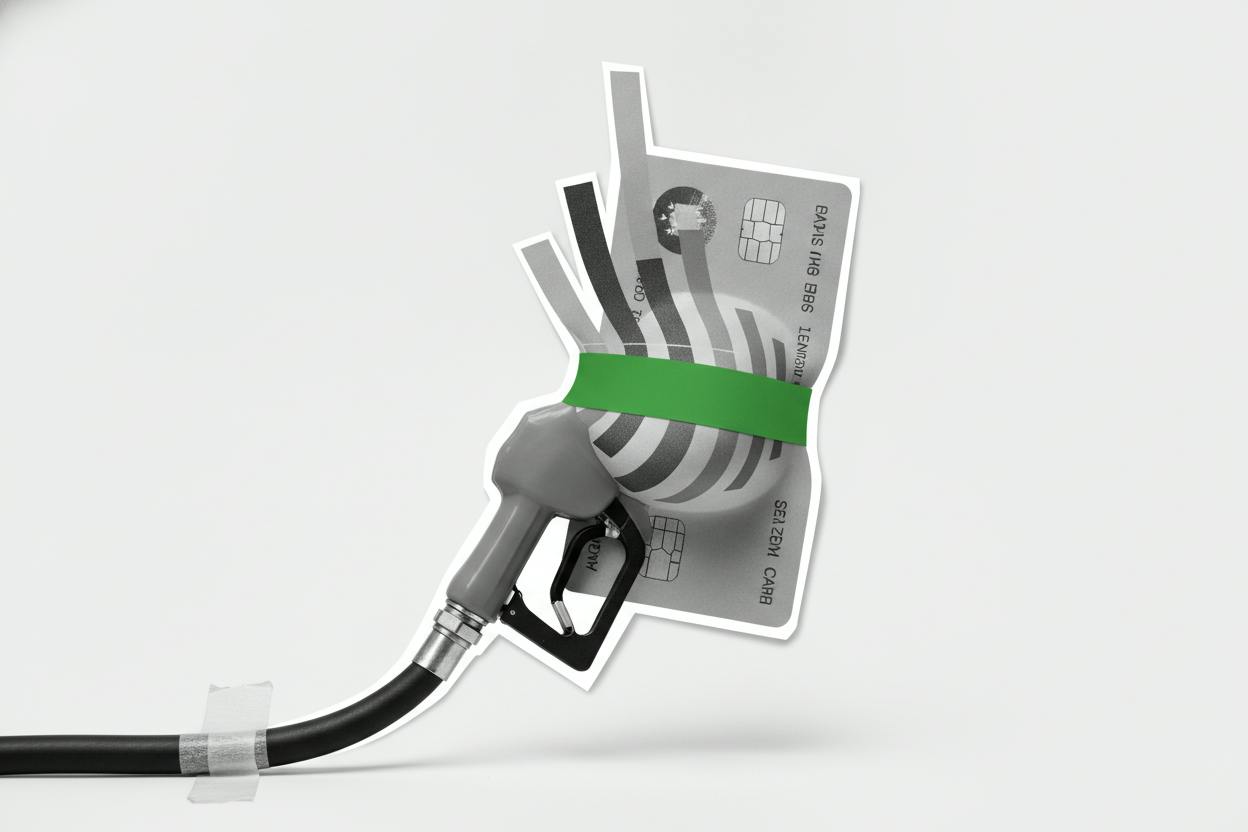
The most striking example is at the petrol pump. Westpac said fuel spending rose 3.8% in September, even though the amount of petrol purchased actually fell. That means the increase was almost entirely due to higher prices, not more driving.
Over the past year, fuel spending is up a whopping 28%. That's a significant squeeze on household budgets, especially for those who rely on their cars for commuting or running a family.
But Westpac noted that spending also continued to rise even after excluding fuel, suggesting that many households are still managing to keep their day-to-day outlays growing. That resilience, however, may be masking some underlying strain.
Essentials are eating up more of the budget
Some of the biggest gains in spending are in categories where prices have risen sharply. Utilities spending was up 5% year-on-year, and insurance was up 7%. These are essential bills that households can't easily cut back on, so they eat up a larger share of income.
At the same time, discretionary categories are still growing, but more selectively. Dining out was up 16% year-on-year, and furnishings were up 15%. That suggests people are still willing to spend on things they enjoy, but they may be making trade-offs elsewhere.
Westpac also noted that travel demand has held up, but customers are changing how they travel — leaning toward more budget-friendly or perceived lower-risk destinations. That's a classic sign of consumers looking for value without giving up the experience entirely.
What this means for investors
For everyday investors, this report is a reminder that 'spending up' can be mostly about prices. The nominal-versus-real problem is at play: your card total rises because the same basket of goods costs more, which can squeeze what's left for other things even if your habits don't change much.
The early signs of stress often show up in the mix, not the headline number. Bigger essentials bills — utilities up 5%, insurance up 7% — alongside households still paying for some discretionary items, while quietly shifting choices like travel destinations toward better value.
This kind of data is closely watched by economists and policymakers because consumer spending is a major driver of economic growth. If households are spending more but getting less for their money, it can signal that the economy is slowing even when retail sales figures look positive.
For investors, the key takeaway is to look beyond the top-line numbers. Companies that sell essential goods or services may be able to pass on higher costs, but those in discretionary sectors could face more pressure as consumers become more selective.
Westpac's findings also echo trends seen elsewhere. For instance, US luxury spending fell 6% in September, according to Citi card data, showing that even affluent consumers are tightening their belts. And in India, Titan's jewelry-led quarter shows consumer demand is holding up, but with a clear preference for value.
As the Australian economy navigates higher interest rates and persistent inflation, the resilience of consumer spending will be a key factor in whether the central bank can bring inflation down without triggering a recession. Westpac's data suggests that while households are still spending, the quality of that spending is deteriorating — a trend that bears watching in the months ahead.