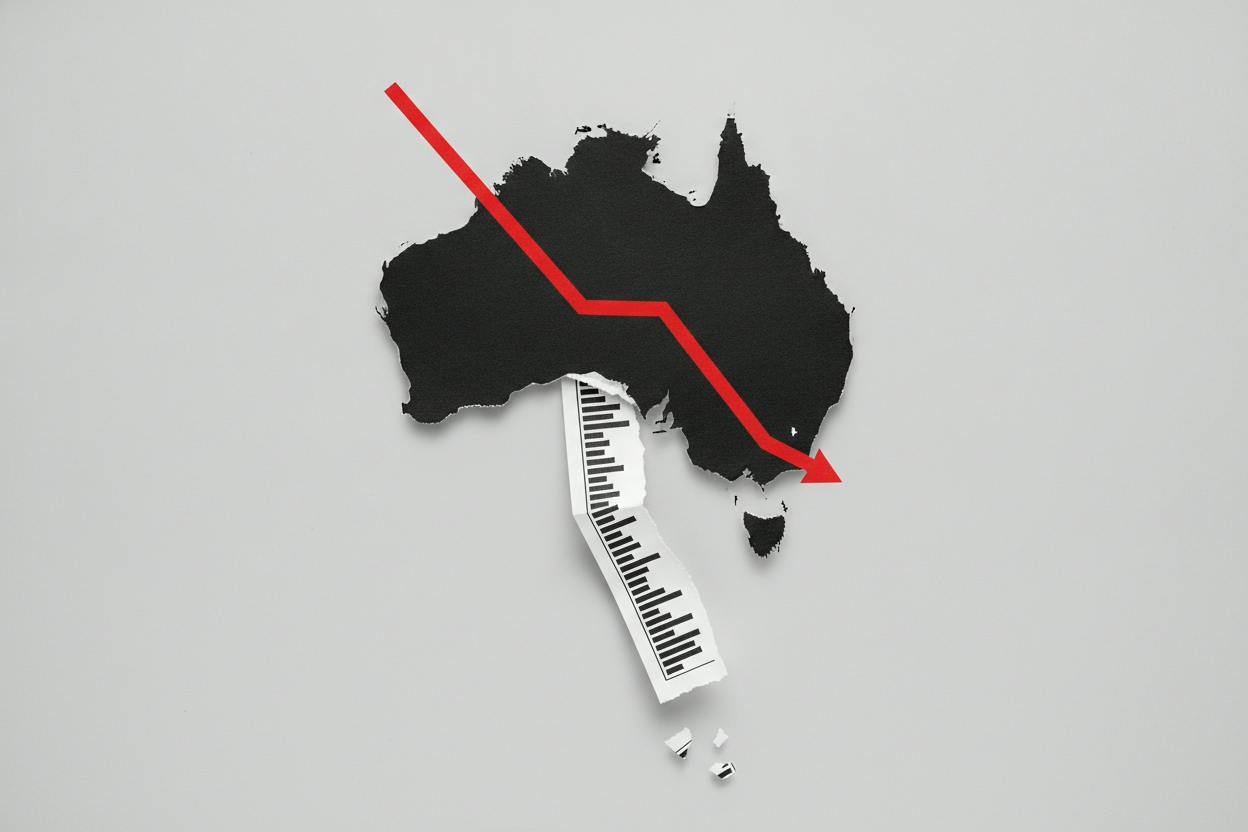
Australia's private sector showed a marked slowdown in September, according to a closely watched survey from the Australian Industry Group (Ai Group). The report, released on [day], revealed a broad-based deterioration in sales, employment, and new orders, with the construction and services sectors bearing the brunt of the weakness.
Key survey details
The Ai Group's activity and sales gauge plunged by 28.5 points to -31, a reading that signals a sharp contraction in business activity. The employment measure also fell to -15.6, as firms reported difficulty finding qualified tradespeople and retaining staff. New orders dropped by 22.4 points to -35.9, erasing the improvement seen in August and pointing to a thinner pipeline of future work.
The survey, which tracks the performance of the private sector across manufacturing, construction, and services, showed that demand remained soft and uncertainty stayed high. Elevated costs and persistent worker shortages continued to squeeze businesses, according to the Ai Group.
What's behind the slump?
The construction and services sectors were the main drags on the overall index, with both reporting significant declines in activity. The manufacturing sector, however, posted a small improvement, offering a glimmer of resilience amid the broader downturn.
The Ai Group's findings align with other recent indicators suggesting that Australia's economy is losing momentum. High interest rates, sticky inflation, and weak consumer confidence have been weighing on demand across the economy. The Reserve Bank of Australia has held its cash rate steady for several months, but the cumulative effect of previous hikes is still filtering through.
Worker shortages remain a persistent challenge, particularly in trades and skilled roles. Many businesses report that they cannot find the staff they need, which limits their ability to meet orders and adds to cost pressures. At the same time, elevated input costs are squeezing profit margins, forcing some firms to pass on higher prices to customers or absorb the hit.
What it means for investors
For everyday investors, this survey is a reminder that the Australian economy is cooling. A slowdown in private sector activity often translates into softer corporate earnings, which can weigh on share prices. Companies with heavy exposure to construction and services—such as building materials suppliers, engineering firms, and consumer-facing businesses—may feel the pinch more acutely.
The data also has implications for interest rates. If the economy continues to weaken, the Reserve Bank may be more inclined to cut rates sooner than previously expected. Lower rates could provide some support to property and interest-rate-sensitive stocks, but they also signal underlying economic fragility.
Investors should watch for upcoming official data, such as GDP figures and employment numbers, to see if the survey's findings are confirmed. A sustained downturn could prompt the RBA to shift its stance, which would have broad implications for bond yields, the Australian dollar, and equity valuations.
In the meantime, the divergence between sectors is worth noting. While construction and services are struggling, manufacturing's slight improvement suggests that some parts of the economy are holding up better than others. This uneven performance could create opportunities for selective investors, but it also underscores the importance of diversification.
As always, it's wise to keep a long-term perspective. One month's survey does not make a trend, but the sharpness of the September decline is a signal that the economy is facing headwinds. For those with exposure to Australian equities, staying informed and reviewing portfolio allocations may be prudent.
For more on how these trends are playing out in markets, see our coverage of Australian shares set for a flat open and the impact of oil's slide on banks and property stocks.