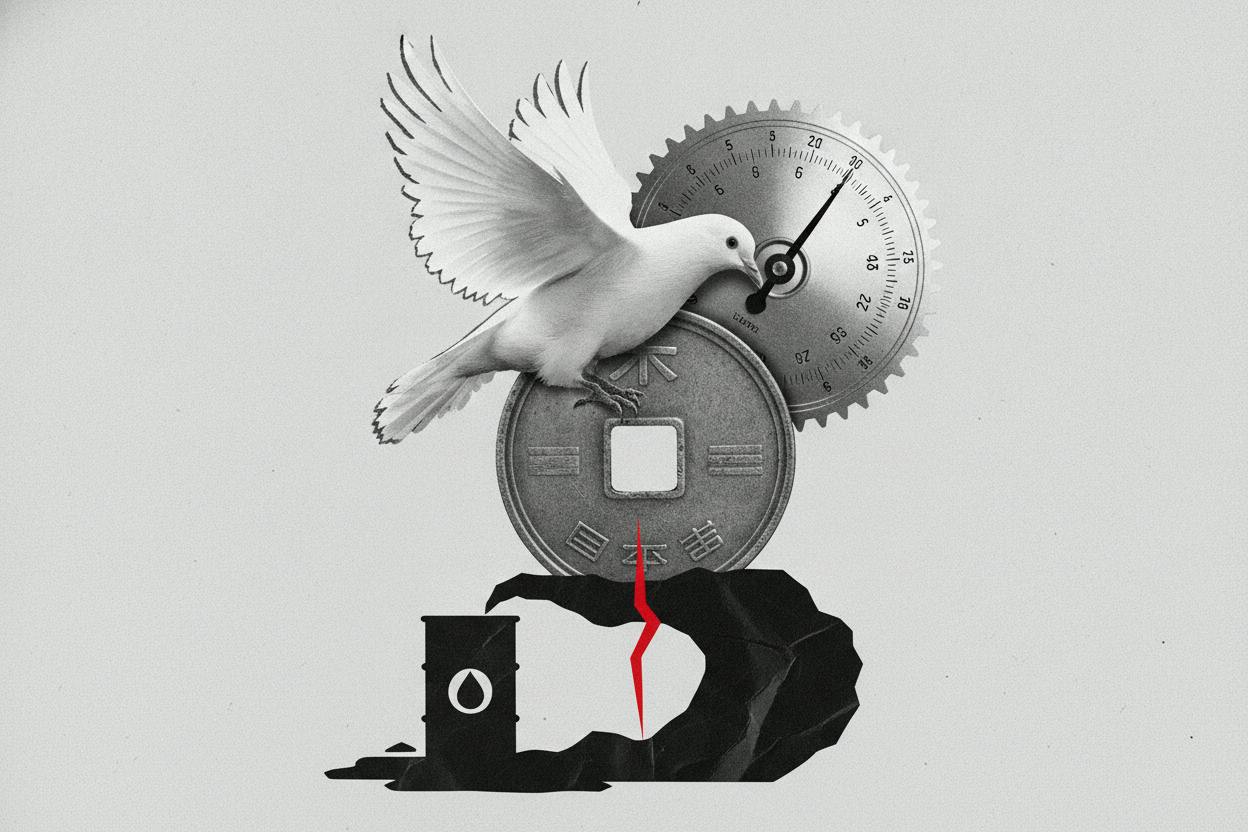
One of the Bank of Japan's most cautious policymakers has signaled she could support further interest rate increases, a notable shift that could keep the central bank on a tightening path. Ayano Sato, a relatively new member of the BOJ's policy board, told Kyodo news agency that she backs raising rates "in stages," while warning that inflation risks from higher oil prices look tilted to the upside.
Sato's comments carry weight because she was one of two dissenters when the BOJ raised its benchmark rate to 1.25% in September — the highest level in 31 years. At the time, she argued that consumer spending lacked momentum and that "underlying" inflation — the trend once you strip out volatile one-off swings — was not yet accelerating. But she also described financial conditions as still "accommodative," meaning borrowing costs are not yet restrictive enough to cool the economy.
That combination — a dove who opposed the last hike but is open to more — suggests the BOJ's policy debate is shifting. Even the most cautious voices on the board appear to see the next move as a question of timing, not direction.
Why oil prices matter for Japan
Japan is a major importer of energy, so rising oil prices feed directly into the cost of goods and services. When crude climbs, it pushes up everything from transport costs to electricity bills, which can lift headline inflation even if the broader trend in prices is subdued.
Sato's warning that oil-driven inflation risks are "tilted to the upside" is a key signal. It suggests that recent energy price moves are making even the most patient policymakers nervous about the possibility that inflation could overshoot the BOJ's 2% target.
For everyday Japanese households, higher oil prices mean more expensive fuel and heating, which can squeeze spending power. For the BOJ, it creates a delicate balancing act: raise rates too quickly and risk choking off a fragile recovery; wait too long and risk letting inflation become entrenched.
What this means for investors
For investors, the implications are twofold. First, a BOJ that is open to further hikes points to a continued normalization of monetary policy in Japan, which has been an outlier among major central banks for years. That could support the yen, which has been under pressure against the dollar, and it could affect Japanese government bond yields.
Second, higher rates in Japan could ripple through global markets. Japanese investors are among the largest holders of foreign bonds, and if domestic yields rise, some of that money could flow back home. That dynamic has the potential to affect bond markets in the US and Europe, though the effect is usually gradual.
For those with exposure to Japanese equities, the picture is mixed. Banks and financial firms often benefit from higher interest rates, as they can earn more on lending. But companies that rely heavily on borrowing could see their costs rise, and consumer-facing businesses might struggle if higher energy prices and rates dampen spending.
The broader context
The BOJ's move in September to 1.25% marked a historic shift after years of ultra-loose policy. The central bank has been slowly unwinding its massive stimulus program, and Sato's comments suggest that process is likely to continue, even if the pace is gradual.
Her emphasis on "stages" is important. It implies the BOJ is not planning a rapid series of hikes, but rather a measured approach that allows policymakers to assess the impact of each move. That could mean another hike is possible in the coming months, but it is not guaranteed.
Investors will be watching upcoming inflation data and the BOJ's next policy meeting for clues. If oil prices keep climbing, the case for another hike will strengthen. If consumer spending remains weak, the BOJ may hold off.
For now, Sato's comments are a reminder that even the most dovish voices on the board are not ruling out further tightening. That is a meaningful signal for anyone with exposure to Japanese assets or global bond markets.