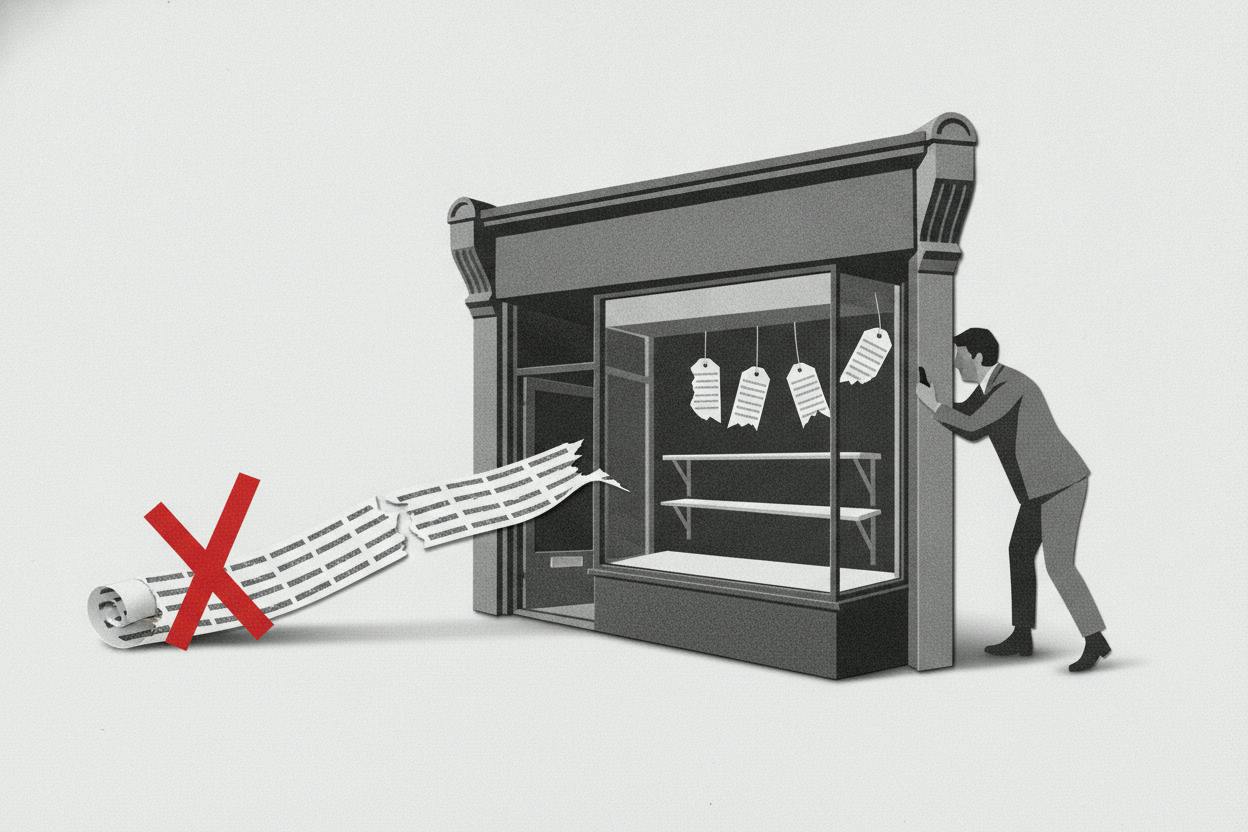
Copper prices may be near record highs, but the companies that turn raw ore into refined metal are facing a profit crunch. The fees smelters charge miners to process copper concentrate—known as treatment and refining charges (TC/RCs)—have collapsed to zero and even turned negative. That means some smelters are effectively paying miners to take their material, a situation that has upended the usual economics of the industry.
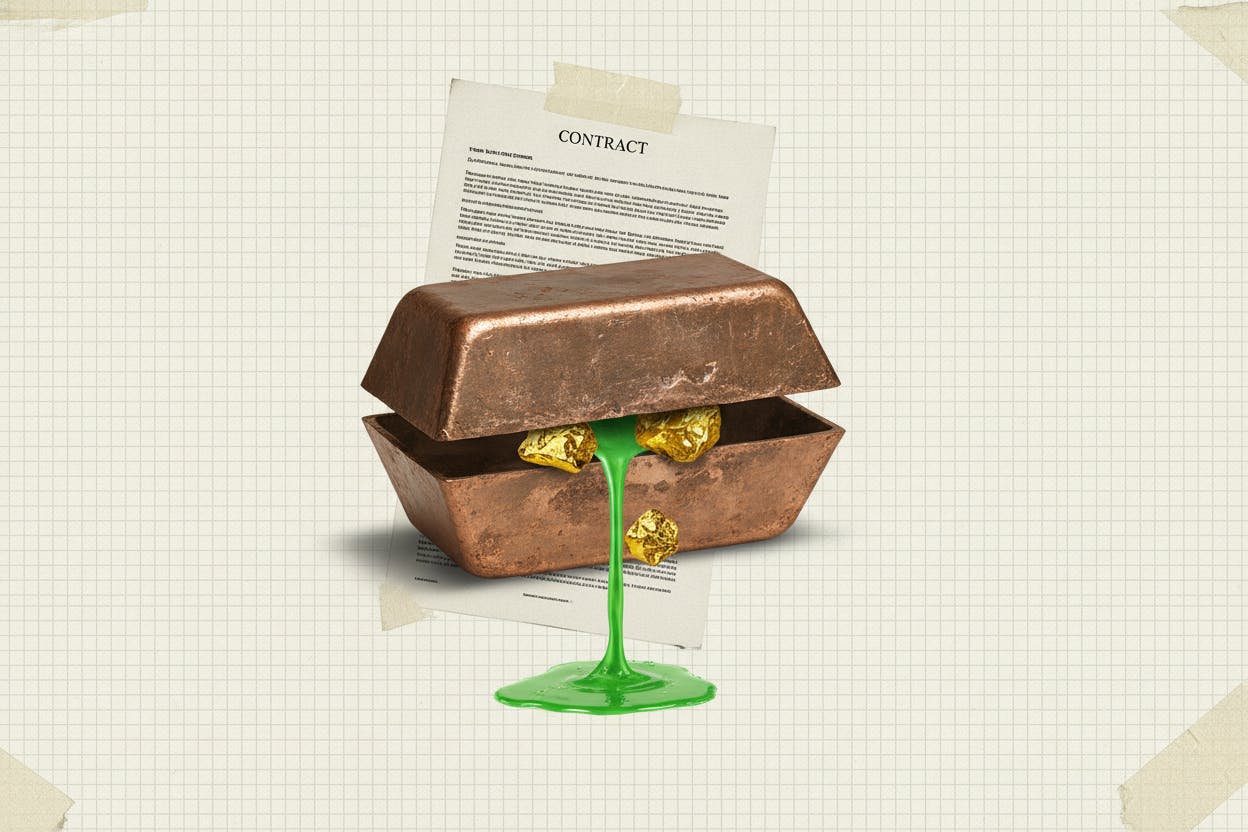
To stay profitable, smelters are increasingly leaning on by-products like gold, silver, and sulfuric acid. This shift is not just a short-term fix; it is reshaping how contracts are written and which smelters can survive.
Why Processing Fees Have Collapsed
TC/RCs are the fees miners pay smelters to convert copper concentrate into refined copper. When supply of concentrate is tight relative to smelting capacity, fees tend to fall. That is exactly what is happening now. Global mine supply has not kept pace with the rapid expansion of smelting capacity, particularly in China. Even after the China Smelters Purchase Team agreed to cut output, the oversupply of smelting capacity has persisted.
As a result, the annual benchmark TC/RC for this year is effectively zero, and spot fees have been negative for months. In practical terms, this means smelters are losing money on the core processing business and must find other ways to generate revenue.
The Role of By-Products: Gold, Silver, and Acid
When the usual fee model breaks down, the economics shift to the fine print of contracts. Two factors become critical: how much metal is classified as “payable” to the miner versus what the smelter can actually recover, and the value of by-product credits.
Many copper ores contain small amounts of gold and silver. Smelters that can efficiently recover these precious metals can sell them at market prices, providing a crucial revenue stream. Similarly, the sulfur in copper concentrate is often converted into sulfuric acid, a widely used industrial chemical. Smelters with reliable local demand for acid—for example, near fertilizer or chemical plants—can monetize that by-product as well.
This makes smelter profits highly sensitive to non-copper prices and local acid demand. A smelter that can recover more gold and silver and has a steady buyer for its acid is in a much stronger position than one that cannot.
Contract Innovation: Index-Linked Terms
The breakdown of traditional TC/RCs is also driving changes in how contracts are structured. Antofagasta, a major Chilean copper miner, is proposing more frequently reset, index-linked terms in its negotiations with Chinese smelters, according to Shanghai Metal Market. This would move away from the annual benchmark system and tie fees more closely to spot market conditions.
If such deals become more common, the risk in the supply chain would shift. Smelter earnings would depend less on a headline fee and more on payable-metal clauses and by-product credits. That could widen the gap between modern, efficient smelters that can capture those extras and older or poorly located plants that cannot.
This split is already visible. Glencore put its Philippine smelter on care and maintenance, while Australian operations needed government support to keep running. Meanwhile, smelters with access to precious metal recovery and acid markets are better positioned to weather the storm.
What It Means for Investors
For investors, the collapse of TC/RCs is a reminder that commodity booms do not benefit everyone equally. While copper prices have rallied, the companies that process the metal are facing a structural challenge. The divergence between strong and weak smelters could create opportunities for those with the right assets and contracts.
Investors should also watch the broader copper market. The imbalance between smelting capacity and mine supply is a key factor behind the fee collapse. If mine supply does not catch up, the pressure on smelters could persist, potentially leading to more plant closures or consolidation. On the other hand, a recovery in mine output could ease the squeeze.
For those following the metals space, the interplay between copper, gold, and acid prices is becoming more important. A rise in gold prices, for example, could provide a lifeline to smelters that recover it, while a drop in acid demand could hurt those that depend on it.
In the meantime, the shift toward index-linked contracts and the growing importance of by-products are trends that are likely to reshape the copper supply chain for years to come.