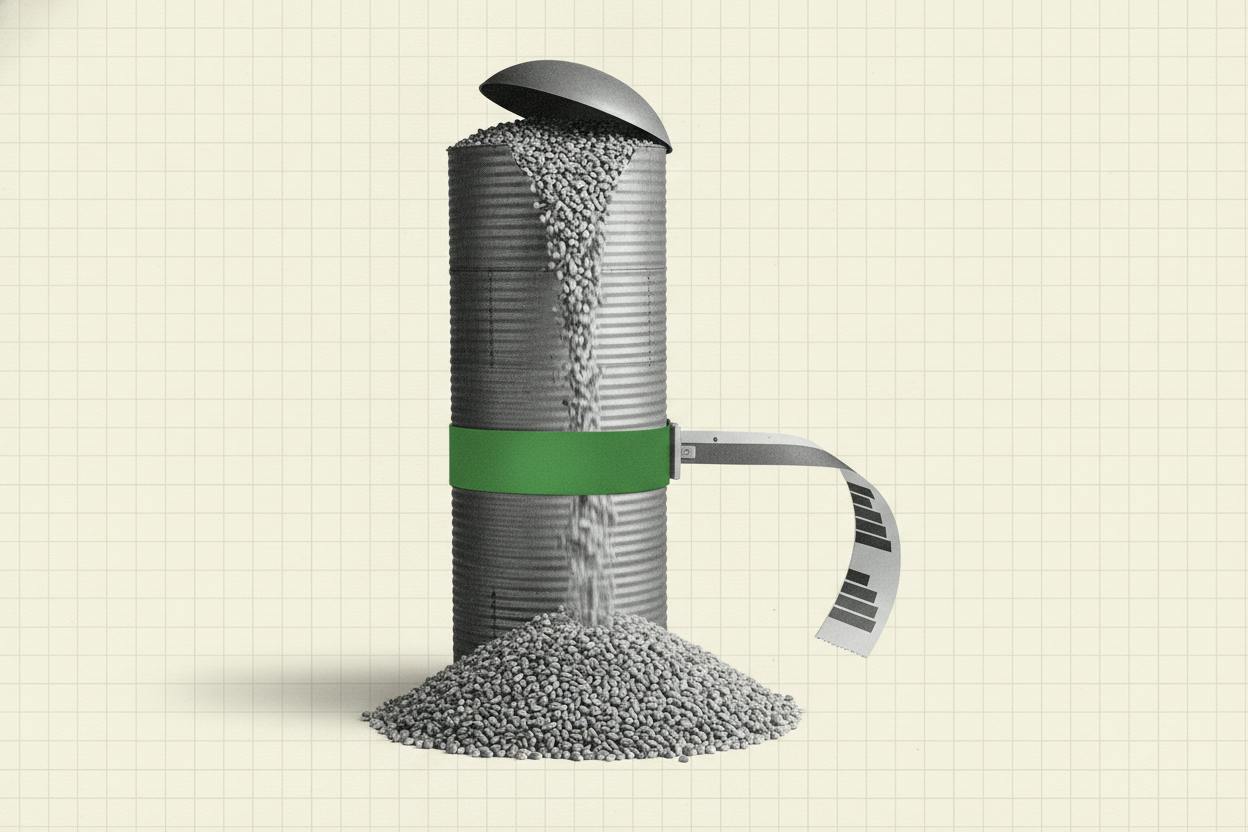
Corn futures in Chicago climbed back above $5 a bushel on Tuesday, steadying after a U.S. Department of Agriculture (USDA) stocks report revealed larger-than-expected inventories. The bounce suggests traders are still weighing weather and harvest risks even as supply looks ample.
Wheat also gained ground, supported by Saudi Arabia's tender to import 535,000 tons. That demand signal helped offset recent price declines and drew attention to global buying interest.
What the USDA report showed
The USDA said U.S. farmers and grain handlers had 35% more corn in storage on September 1 than a year earlier. That was a much bigger stockpile than many traders had anticipated, catching the market off guard.
When inventories come in higher than expected, the market often shifts from pricing a near-term shortage to pricing the cost of holding grain. That includes storage space, insurance, and interest expenses. This change can reshape the futures curve, with later-dated contracts staying firmer than nearby ones to compensate for those carrying costs.
For traders, the key signal is whether calendar spreads keep moving in favor of storage. That's how surplus supply shows up in day-to-day pricing, and it can trigger rapid position unwinds if investors had built up bullish bets expecting higher prices.
Why the rebound matters
The quick bounce back above $5 suggests that even with larger supply sitting in bins, traders still see weather and harvest logistics as swing factors. A big stocks surprise doesn't just nudge the headline price; it can flip corn into a 'carry' market, where spreads between nearby and later contracts matter as much as the front-month quote.
If those spreads start rewarding storage, farmers and grain merchandisers have more incentive to hold inventory and hedge it in the futures market. That can pressure nearby contracts while supporting deferred ones, and it can amplify short-term volatility around round numbers like $5.
Wheat's demand-driven lift
Wheat's move was more demand-driven. Saudi Arabia's import tender signaled fresh buying interest after a recent slide, and it helped futures steady even as traders watched Black Sea shipping risks. The tender is a reminder that global buyers remain active, which can provide a floor under prices even when supply looks comfortable.
What it means for investors
For everyday investors, grain futures are a way to bet on agricultural prices, but they're also a barometer for broader inflation and food costs. When corn and wheat prices move, they can ripple through the economy, affecting everything from grocery bills to the cost of livestock feed.
For those with exposure to agricultural commodities through funds or ETFs, the key takeaway is that inventory surprises can create short-term volatility. But the market's ability to bounce back suggests that traders are still focused on the next harvest and weather patterns, not just the current stockpile.
As always, it's important to remember that futures trading is complex and risky. The USDA report is one data point, and markets will continue to react to new information about weather, global demand, and shipping disruptions.