Saudi Arabia's stock market opened October on a cautious note, with the Tadawul All Share Index (TASI) slipping 0.46%. The dip came as investors weighed two competing forces: hopes for a softer geopolitical tone between the US and Iran, and a fresh set of domestic economic concerns that include a wider budget deficit and a forecast for economic contraction this year.
According to Reuters, US and Iranian officials have agreed to steps toward de-escalation. Such news often supports risk assets, as reduced geopolitical tension can lower oil price volatility and improve investor sentiment. However, local investors had more concrete reasons to be careful, as Saudi Arabia's finance ministry released its 2027 pre-budget statement, outlining revenue of 1.20 trillion riyals against spending of 1.39 trillion riyals. Regional broker United Securities noted that the ministry now expects a fiscal shortfall of 4.9% of the economy this year.
Why a bigger deficit matters
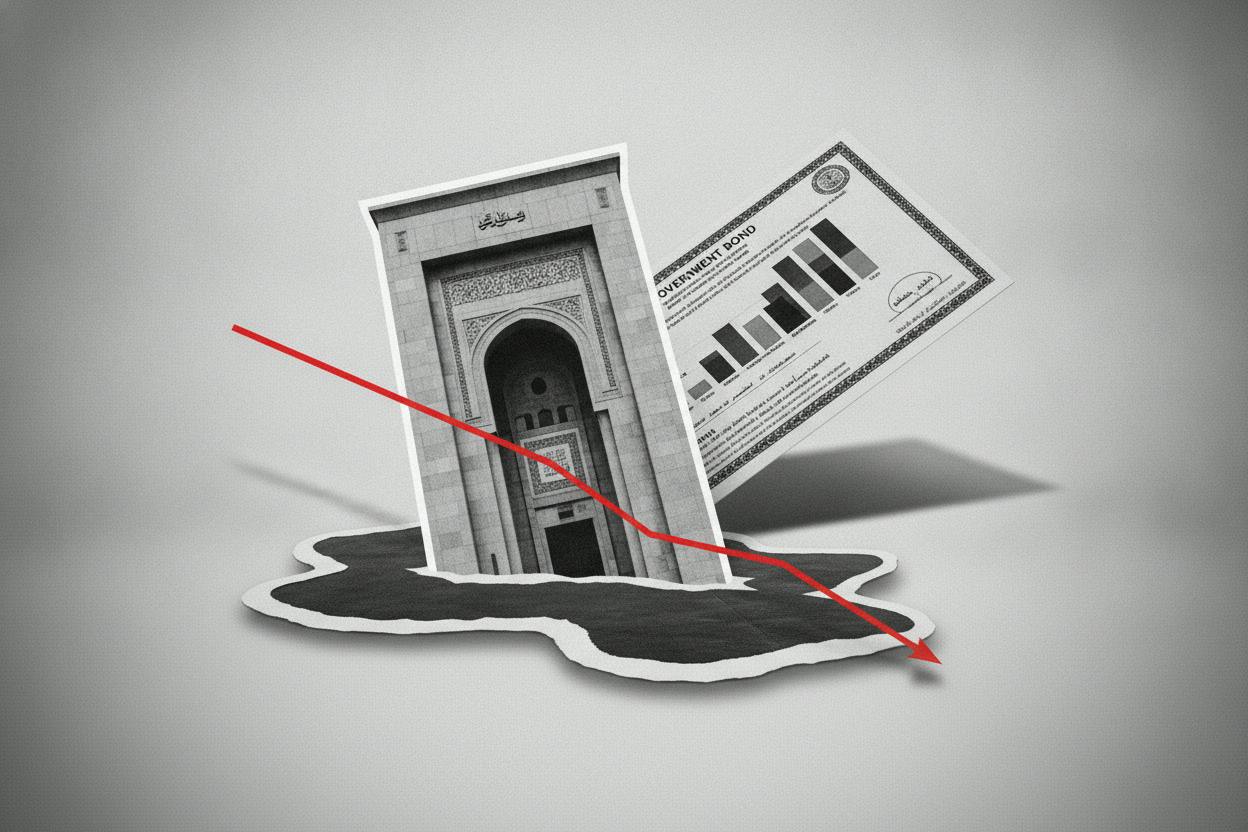
A larger budget deficit typically means the government will need to borrow more. That often leads to increased issuance of sovereign bonds, which can pull cash away from other investments and push up government bond yields. These yields serve as a baseline for valuing other assets, so when they rise, the discount rate applied to future corporate profits also rises. That tends to pressure valuations, especially in rate-sensitive sectors like real estate, banking, and other industries that rely heavily on borrowing.
For everyday investors, this means that even if oil prices remain supportive of headline revenues, the cost of financing for domestically focused companies could rise. Banks, developers, and other firms that depend on local credit may face higher borrowing costs, which can squeeze profit margins and make their stocks less attractive.
Weaker growth outlook
The same pre-budget statement also flagged a weaker macroeconomic backdrop. Saudi Arabia expects the economy to shrink by 3.6% this year, driven largely by lower oil activity. This is notable because oil prices have been hovering near $100 a barrel, yet the kingdom's economy is still projected to contract. That underscores the challenges of diversifying away from oil and the impact of production cuts or reduced output on overall economic activity.
For investors, a shrinking economy can translate into softer consumer demand, lower corporate earnings, and a less supportive environment for stocks. Even with geopolitical tensions easing, the combination of slower growth and heavier state borrowing can keep a lid on local equities.
What it means for investors
For those with exposure to Saudi stocks, the key takeaway is that the market faces a tougher valuation backdrop. The 1.39 trillion riyal spending plan for 2027 suggests that government spending will continue to run ahead of revenue, increasing the likelihood of debt issuance. That can lift Saudi yields and make financing pricier for banks, developers, and other domestically focused companies.
At the same time, the weaker growth outlook could weigh on corporate earnings. While oil prices remain supportive of headline revenues, the broader economy is expected to contract, which may limit the upside for many stocks. Investors will likely watch for any further signs of fiscal tightening or spending cuts, as well as any progress in US-Iran talks that could further reduce geopolitical risk.
In the broader regional context, similar dynamics are playing out elsewhere. For instance, UAE stocks have also been affected by oil price movements and the same US-Iran negotiations. And globally, investors are watching key economic data to gauge the path of interest rates, which can influence risk appetite across markets.
For now, the Saudi market's modest decline reflects a cautious mood. The combination of geopolitical hopes and domestic fiscal concerns creates a mixed picture. While de-escalation could support sentiment, the fundamental challenges of a wider deficit and economic contraction are likely to keep investors on edge.
As always, it's important for investors to consider their own risk tolerance and time horizon. The Saudi market, like any, can be volatile, and events such as these can create both opportunities and risks. Staying informed about fiscal policy and geopolitical developments is key to making sound investment decisions.