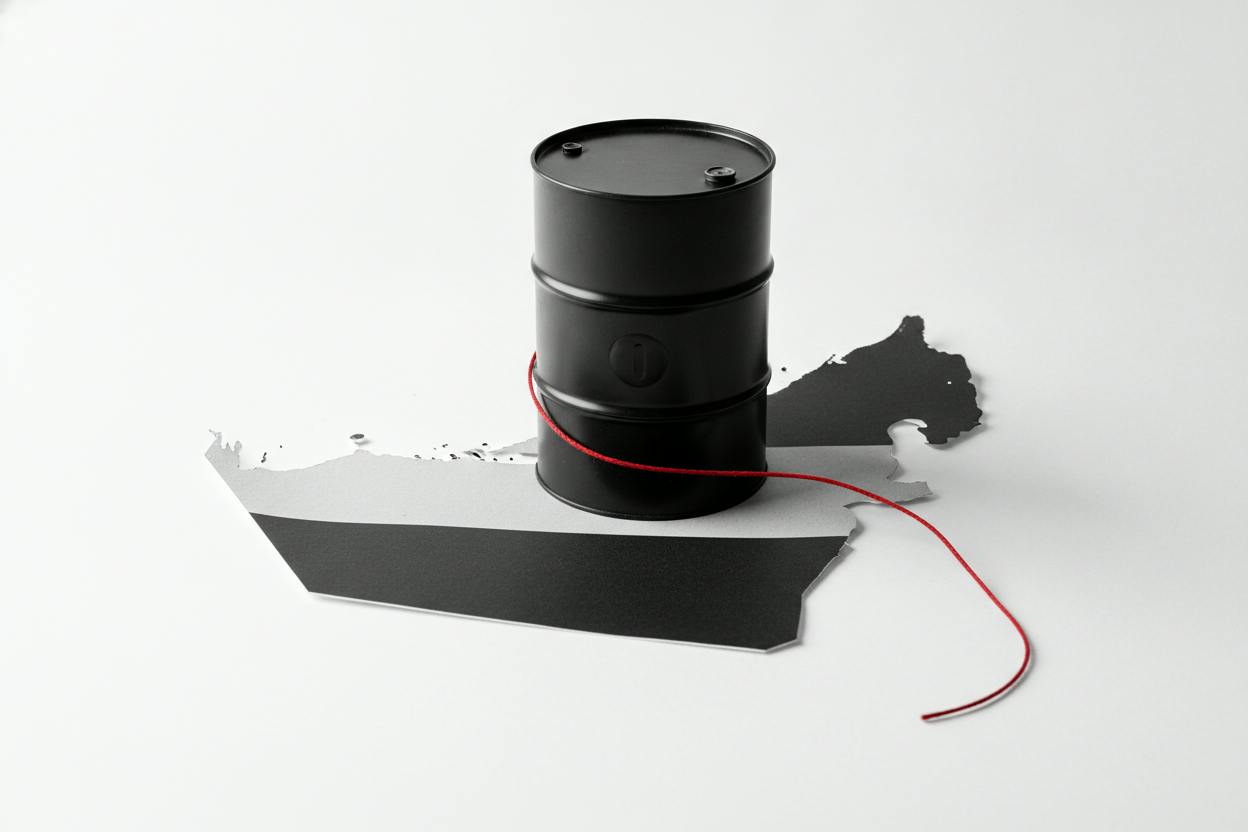
UAE stocks slipped for a second straight session on Thursday, with both major Gulf indexes closing lower as energy and geopolitics dominated trading. Abu Dhabi's FTSE ADX General Index fell 0.716%, while Dubai's DFM General Index dropped 0.506%, as investors weighed steady crude prices against diplomatic signals between the US and Iran.
Oil steadies near $100 as supply concerns ease
Crude oil settled around $100.50 a barrel, up 2.52% on the day, after earlier wobbling as traders assessed the latest developments in Gulf supply. A key factor was news from ING, a Dutch bank, that tanker loadings at Saudi Arabia's Yanbu terminal had resumed, with the East-West Pipeline close to fully restored. That pipeline, which carries crude from the kingdom's eastern fields to the Red Sea, had been disrupted, raising fears of supply tightness. The resumption helped calm some nerves, though prices remained elevated near the psychologically important $100 level.
At the same time, Reuters reported that Iran said it had received a US response to its latest diplomatic overtures. Traders are watching for any signs of progress in US-Iran talks, which could lead to increased Iranian oil exports and ease some of the supply pressure that has kept prices high. However, no concrete outcome has emerged, leaving the market in a wait-and-see mode.
What's driving the UAE market?
The UAE indexes, like many Gulf bourses, are heavily influenced by oil prices and regional geopolitics. When crude rises, it typically boosts sentiment for energy-linked stocks and government spending. But the recent pullback suggests investors are taking profits after a strong run, or are cautious about the potential for volatility from diplomatic headlines.
Abu Dhabi's FTSE ADX is dominated by large-cap names, including energy and banking giants, while Dubai's DFM is more diversified with real estate, finance, and consumer stocks. Both indexes have been sensitive to global interest rate expectations and the strength of the US dollar, which is pegged to the UAE dirham.
Thursday's decline follows a similar drop the previous session, indicating a short-term correction rather than a major reversal. Trading volumes were likely moderate as investors awaited clearer direction from the oil market and US-Iran developments.
What it means for investors
For everyday investors, the key takeaway is that Gulf markets remain closely tied to oil and geopolitics. When crude prices are high, it can boost the region's economies and corporate earnings, but it also brings uncertainty. The resumption of Saudi loadings is a positive supply signal, but the US-Iran situation could go either way—a breakthrough could push oil lower, while a breakdown could send it higher.
Investors should also keep an eye on global factors, such as US interest rates and the jobs market, which affect risk appetite worldwide. A key US jobs report is due soon, and traders are pricing in a 63% chance the Federal Reserve holds rates steady. That could influence flows into emerging markets, including the Gulf.
For those with exposure to UAE stocks, the recent dip may be a normal pullback in a market that has benefited from high energy prices. But it's important to remember that such moves can be sharp and unpredictable. Diversification and a long-term perspective remain essential.
Broader regional context
The UAE's decline mirrors a broader trend in Gulf markets, as Gulf stocks dipped on the same news. Saudi Arabia's Tadawul and other regional bourses also felt the impact of the supply resumption, which eased some of the premium that had built into oil prices.
Meanwhile, global markets have been dealing with high bond yields and inflation concerns. UK stocks slid as gilt yields hit multi-decade highs, and European stocks slipped as yields held near multi-year highs. These factors can spill over into Gulf markets, as higher yields make riskier assets less attractive.
On the tech front, Micron's strong outlook lifted tech stocks globally, but that momentum didn't carry into the UAE, where energy and geopolitics took center stage.
Looking ahead
Traders will likely continue to monitor oil prices and any new headlines from the US-Iran talks. A clear resolution could trigger a sharp move in crude, with knock-on effects for Gulf equities. Until then, expect choppy trading.
For investors, the lesson is to stay informed and not overreact to daily swings. The UAE market's fundamentals remain tied to the region's economic strength, which is supported by high energy revenues. But as always, risks remain, and keeping a diversified portfolio is the best defense against uncertainty.