Gulf stock markets ended the session in cautious territory on Tuesday, with Qatar and Saudi Arabia both posting modest declines. The moves came as investors digested the restart of Saudi oil shipments from the Red Sea port of Yanbu, while also weighing a fresh round of mixed signals from Washington and Tehran.
What happened
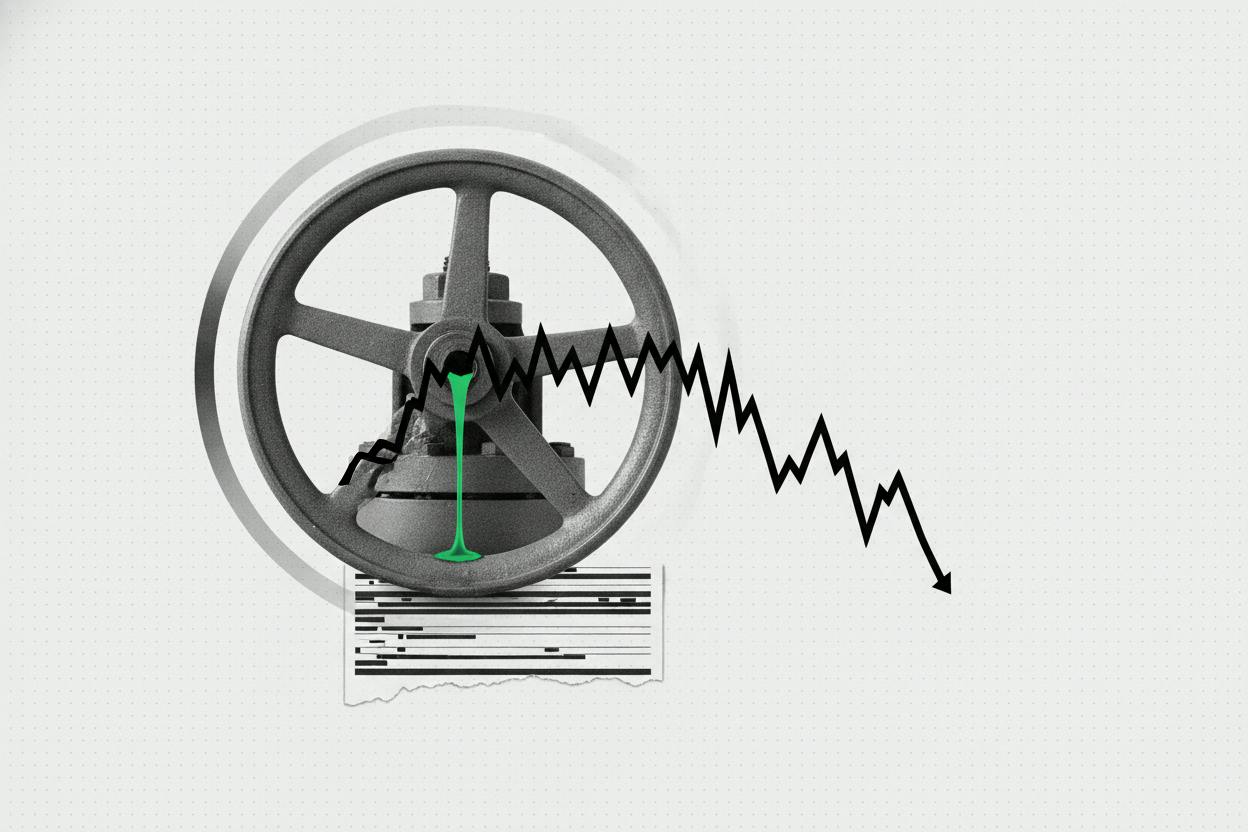
Qatar's main index fell 0.4%, while Saudi Arabia's benchmark slipped 0.3%. The declines were broad but shallow, with banks and other domestic-focused sectors doing most of the dragging. The modest pullback suggests traders were not ready to commit to a clear direction, even as a key supply-side worry eased.
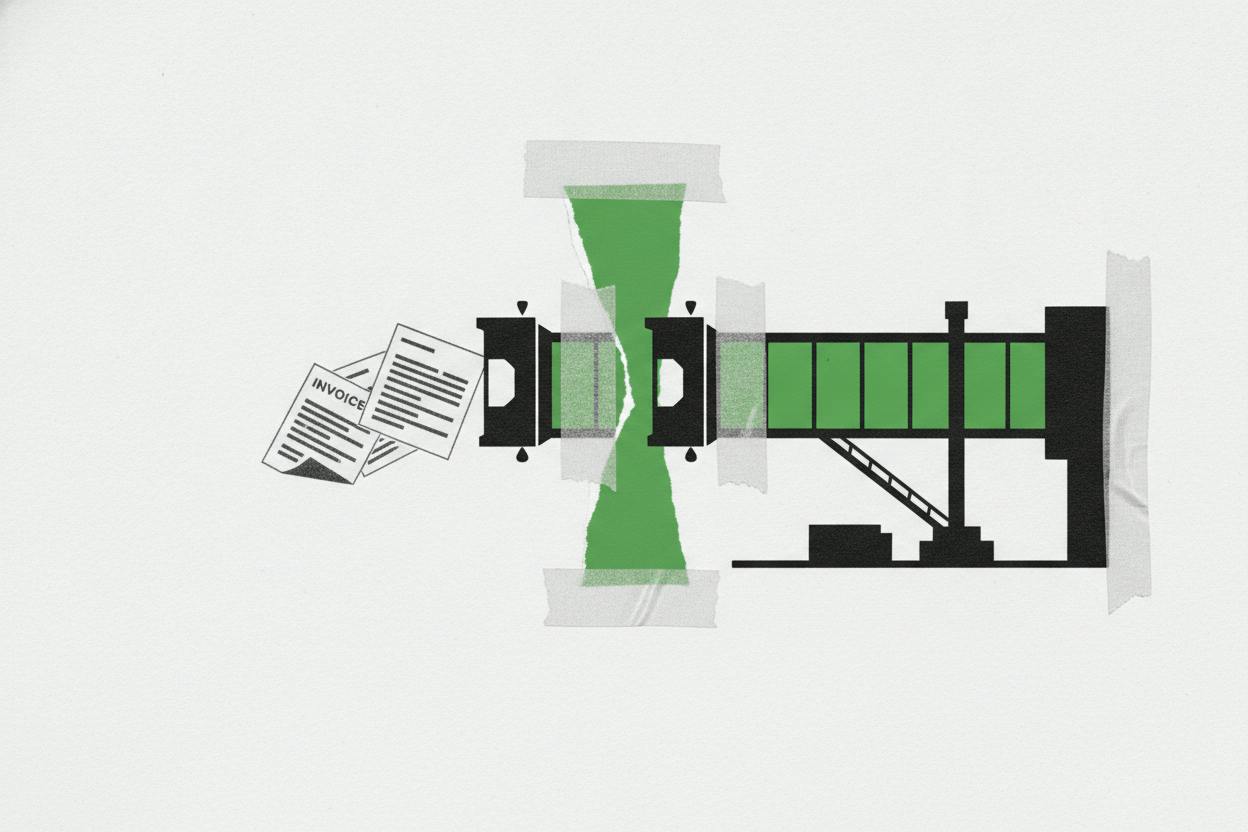
According to trade data cited by Reuters, Saudi Arabia has restarted the East-West Pipeline and resumed tanker loadings at Yanbu. That marks a significant step after last month's drone strike forced a shutdown of the facility, raising fears of an abrupt hit to the kingdom's crude exports.
Why the restart matters
Yanbu is one of Saudi Arabia's main export terminals on the Red Sea, and the East-West Pipeline is a crucial link that allows crude to bypass the Strait of Hormuz. The pipeline runs from the eastern oil fields to the western port, giving the kingdom an alternative route when tensions in the Gulf escalate.
The restart is a positive for global oil supply, as it reduces the risk of a sudden shortfall. For Gulf economies, which rely heavily on energy revenues, a stable flow of exports supports government budgets and, by extension, the broader stock market.
However, the market's muted reaction suggests that investors are not fully convinced the disruption is behind them. The drone strike was a reminder of how vulnerable energy infrastructure can be, and the region remains on edge.
Mixed US-Iran signals
Adding to the uncertainty, investors were also parsing conflicting signals from the US and Iran. On one hand, there have been hints of diplomatic progress, which could ease tensions and reduce the risk of further supply disruptions. On the other, hardline rhetoric from both sides has kept the threat of escalation alive.
This back-and-forth has become a familiar pattern for markets, which have learned to expect volatility whenever the two countries trade barbs. For Gulf stocks, the key question is whether any new conflict would disrupt oil flows again, or whether diplomacy can hold.
What it means for investors
For everyday investors, the takeaway is that Gulf markets remain sensitive to geopolitical headlines. Even a small dip like Tuesday's can be a reminder that oil-dependent economies are exposed to events beyond their control.
The restart of Yanbu is a good-news story for supply, but it does not erase the underlying risk. If tensions flare again, oil prices could spike, which might benefit energy exporters but could also hurt global growth and weigh on other sectors.
Investors should also keep an eye on how these developments interact with broader market trends. For example, European stocks have been slipping as oil prices climb, and German stocks have been pressured by inflation and cost-cutting. In the Gulf, the focus is more on energy and regional politics.
Banks, which are a heavy weight in most Gulf indices, tend to move with the overall economic mood. If oil exports remain stable and tensions ease, those stocks could recover. But if the situation deteriorates, they are likely to be among the first to feel the pain.
Looking ahead
In the near term, traders will be watching for any further news from the US-Iran front, as well as updates on Saudi oil production and exports. The restart of Yanbu is a positive step, but it is not the end of the story.
For now, the cautious tone in Gulf markets reflects a broader sense of uncertainty. Investors are hoping for a period of calm, but they are also preparing for the possibility of more turbulence.
As always, the best approach for long-term investors is to stay diversified and avoid making impulsive moves based on daily headlines. The Gulf region offers opportunities, but it also comes with unique risks that are worth understanding before committing capital.